


Country Info | Read more

Flags are sourced from free platforms like flagpedia.net
DR Congo
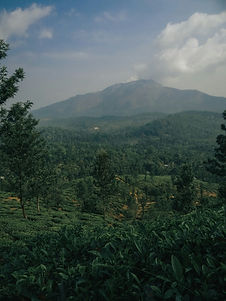
Dive into the DR Congo, a colossal basin of emerald jungles and roaring rivers. Come face-to-face with mountain gorillas, witness glowing lava lakes, and feel the pulse of true wilderness.
* Affiliate links are marked with an asterisk (*). We may earn a commission at no extra cost to you.
Photos without credits are sourced from free platforms like Unsplash and Pexels



Summary
Neighboring Countries
Did you know?
Largest Lava Lake – Mount Nyiragongo features the largest continuously active lava lake on the entire planet.
Overview
Months
August, May, June, July, September, October
Vacation type
Safari, Beach, Rainforest
Expenses
0-50€, <100€, <150€, <200€, Over 200€
Temperature
20-25°C, 25-30°C
Rainfall
0-50mm, 50-100mm, 100-150mm, 150-200mm
Safety
Very dangerous, Dangerous
Continent
Africa
Currency
Congolese Franc
Languages
French, Lingala, Swahili, Kikongo, Tshiluba
Currency Converter
When to visit
The optimal periods for travel to the Democratic Republic of the Congo are the dry season months (June to September). Weather during this timeframe is characterized by tolerable daytime heat and significantly reduced precipitation. These conditions support terrestrial navigation, optimize wildlife observation in the eastern national parks, and facilitate regional transit on unpaved infrastructure. This period corresponds with the highest accessibility to remote national reserves like Virunga and Kahuzi-Biega, and operational stability for tracking operations. Accommodation and private transport costs remain consistently high due to scarce infrastructure and demanding logistical requirements.
The wet season (October to May) brings intense heat, high humidity, and heavy, sustained precipitation across the Congo Basin. This period severely compromises overland transit, causing widespread mud accumulation and localized flooding. Access to specific wildlife sectors becomes logistically prohibitive, though primary river navigation remains viable year-round.
-
Plan the whole vacation, including flights, transportation, hotels and tours with Expedia *

Climate Data
Peak Season (June to September)
Average Sunny Hours per Day: 6 to 8 hours.
Rain Frequency: Precipitation is minimal, especially in the south and east.
Rainy Hours per Day: Less than 2 hours.
Intensity: Rain events are generally brief and highly localized.
Duration: Showers typically dissipate rapidly.
Off-Peak Season (October to May)
Average Sunny Hours per Day: 4 to 5 hours.
Rain Frequency: Precipitation is frequent, occurring almost daily in the equatorial belt.
Rainy Hours per Day: 3 to 6 hours.
Intensity: Rain is intense and severely degrades unpaved road networks.
Duration: Storm systems can last from several hours to multiple days.
Climate Chart
_edited_edited_edited_e.jpg)
Data Source: Global Historical Climatology Network
ClimateCharts.net
Weather, Crowds and Costs
Per one person
Tourist Season: June-September
Budget Travel ($60-110/day)
Accommodation: $40-60/night (basic guesthouses in Kinshasa or Goma).
Food: $10-20/day (local markets, informal street stalls).
Activities: $5-15/day (public museum entry fees, local boat rides).
Transportation: $5-15/day (shared minibuses, motorcycle taxis).
Other Costs: $5-10/day (bottled water, incidental expenses).
Mid-Range Travel ($150-300/day)
Accommodation: $100-180/night (standard secure hotels in major urban centers).
Food: $30-60/day (mid-range restaurants).
Activities: $30-70/day (guided municipal tours, accessible sanctuary entries).
Transportation: $20-40/day (private urban taxis).
Other Costs: $10-20/day (local goods).
Luxury Travel ($500+/day)
Accommodation: $250+/night (secure premium hotels, private eco-lodges).
Food: $80+/day (upscale international dining).
Activities: $150+/day (specialized tracking permits, private logistical support).
Transportation: $200+/day (private 4x4 vehicle with driver and security detail).
Other Costs: $30+/day (premium goods, expedition gear).
Off-Peak Season: October-May
Budget Travel ($50-90/day)
Accommodation: $35-50/night (basic lodgings).
Food: $10-15/day (local markets).
Activities: $5-10/day (indoor sites).
Transportation: $5-10/day (shared transit).
Other Costs: $5-8/day (incidentals).
Mid-Range Travel ($130-250/day)
Accommodation: $80-140/night (standard hotels).
Food: $25-50/day (standard restaurants).
Activities: $20-50/day (accessible guided tours).
Transportation: $20-35/day (taxis).
Other Costs: $10-15/day (goods).
Luxury Travel ($450+/day)
Accommodation: $200+/night (premium hotels).
Food: $60+/day (premium dining).
Activities: $100+/day (private guided logistics).
Transportation: $180+/day (private secure transit).
Other Costs: $20+/day (premium goods).
-
You can find accomendations that fit your trip and budget on Booking.com, Vrbo and Hotels.com


Best Regions to visit
Cities
1. Kinshasa
- The capital and primary urban mega-center, situated on the banks of the Congo River. It serves as the main international point of entry and the political core of the nation.
2. Lubumbashi
- The second-largest city located in the southeastern Katanga region. It functions as the industrial and mining hub of the country, driven primarily by copper and cobalt extraction.
3. Goma
- A major city in the east, situated on the northern shore of Lake Kivu. It acts as the primary logistical gateway for expeditions into Virunga National Park and the Nyiragongo volcano.
4. Kisangani
- A major inland port city located deep within the Congo Basin at the furthest navigable point of the Congo River from the capital.
Kinshasa

Did you know?
Peaceful Apes – The endangered bonobo, humanity's closest and most peaceful primate relative, lives exclusively here.
Islands
1. Idjwi Island
- A massive inland island located within Lake Kivu, separating the Democratic Republic of the Congo from Rwanda. It is recognized for its agrarian communities and relative historical isolation from regional conflicts.
2. Mateba Island
- A large riverine island situated in the estuary of the Congo River near the Atlantic coast, characterized by dense mangroves and localized fishing operations.
-
Find the perfect place to stay in any of these top cities and islands with Booking.com, Hotels.com and Vrbo – offering entire homes and apartments for a comfortable and private experience.

Things to see
Natural Attractions
1. Virunga National Park
- A highly protected, biologically diverse UNESCO World Heritage site in the east. The ecosystem harbors critical populations of endangered mountain gorillas and active stratovolcanoes.
2. Kahuzi-Biega National Park
- A protected rainforest and volcanic zone near Bukavu. It serves as the primary global sanctuary for observing habituated Eastern Lowland (Grauer's) gorillas.
3. Mount Nyiragongo
- An active stratovolcano located within Virunga National Park. It features one of the world's largest and most volatile persistent lava lakes within its main crater.
4. Congo River
- The second-longest river in Africa and the primary hydrological artery of the nation, providing vital transportation and supporting a massive equatorial rainforest basin.
5. Fwa River
- A crystal-clear river in the Democratic Republic of the Congo, famous for its underground spring-fed waters and rich aquatic biodiversity, including several endemic cichlid fish species.
Historical and Cultural Sites
1. National Museum of the Democratic Republic of Congo (MNRDC)
- A modern cultural facility situated in Kinshasa, dedicated to preserving ethnographic history, traditional implements, and a vast collection of regional artifacts.
2. Palais du Peuple
- A prominent brutalist architectural landmark in the capital, functioning as the seat of the national legislature and a monument of post-colonial political infrastructure.
3. Symphonie des Arts
- A localized cultural space and gallery in Kinshasa focused on promoting and exhibiting contemporary Congolese painting, sculpture, and traditional crafts.
Unique Experiences
1. Tracking Mountain Gorillas
- Utilizing experienced guides and armed rangers in Virunga National Park to approach habituated primate groups within dense, high-altitude rainforest terrain.
2. Observing Bonobos at Lola ya Bonobo
- Visiting the world's only sanctuary dedicated to orphaned bonobos, located near Kinshasa, to observe their complex social dynamics in a forested enclosure.
3. Navigating the Congo River
- Chartering motorized transport or traditional vessels to transit sections of the massive waterway, observing riverine commerce and the surrounding equatorial basin.
4. Inspecting the Marché de la Liberté
- Navigating one of the largest commercial markets in Kinshasa to observe the intense regional trade in agricultural produce, artisanal textiles, and daily goods.
-
The best way to explore major cities and must-see attractions is by booking guided tours.* They offer convenience, local insights, and often save time when visiting popular sights.

Unique Accomondations/Foodspots
Accommodations
Mikeno Lodge
Location: Virunga National Park
You get to stay in luxury stone-and-thatch bungalows hidden deep in the mountain forest. The biggest draw is that it is the main base for trekking to see critically endangered mountain gorillas up close in their natural habitat.
Restaurants/Bars
Le Bacchus
Location: Kinshasa
This popular open-air restaurant is famous for its lively atmosphere and great local food. You can sit outside in a breezy courtyard to eat fresh grilled fish and cold drinks while listening to the city's legendary soukous music playing in the background.
Tours to do
1. Eastern Gorilla Safari Expedition
- A complex logistical operation requiring domestic flights to Goma or Bukavu. The itinerary focuses strictly on primate observation and volcanic treks.
Best Time: June to September
Average Cost: $3,000 – $6,000+ per person
2. Congo River Basin Transit
- A specialized, multi-day river navigation utilizing chartered vessels to transit between major inland port cities like Kisangani and Mbandaka.
Best Time: Year-round (water levels permitting)
Average Cost: $2,000 – $4,500+ per person
3. Kinshasa Cultural and Sanctuary Survey
- An urban transit operation inspecting the National Museum, local art galleries, and the peripheral Lola ya Bonobo sanctuary.
Best Time: Year-round
Average Cost: $100 – $250 per person
Congo River

How to get around
1. Domestic Aviation
- Operating domestic flights via approved regional carriers (e.g., Congo Airways) is the sole reliable method for transiting between major urban centers due to the sheer size of the country and lacking overland infrastructure.
2. Private 4x4 Vehicles
- Procuring a reinforced four-wheel-drive vehicle with an experienced local driver is strictly mandatory for overland transit outside the major cities.
3. River Ferries and Pirogues
- Navigating the Congo River utilizes a mix of large commercial barges (often crowded and slow) and motorized traditional pirogues for localized riverine transport.
4. Urban Taxis
- Standard passenger vehicles (often called "Ketch") operate within Kinshasa. Fares lack standardization, and exclusive use of the vehicle must be explicitly negotiated in advance.
Note: For security and efficiency, commercial domestic aviation is required for interprovincial travel, while private escorted vehicles are strictly advised for all necessary ground transit.
-
You can find great car rental deals for your vacation on Expedia *
Did you know?
Lightning Capital – The tiny village of Kifuka receives a staggering 158 lightning strikes per square kilometer every single year.
What to eat
1. Fufu
- The primary dietary staple. A dense, spherical paste constructed from milled cassava or maize flour, utilized manually to consume accompanying sauces and stews.
2. Chikwangue
- A traditional carbohydrate preparation involving fermented cassava paste tightly wrapped in banana leaves and boiled, yielding a dense, sour accompaniment.
3. Poulet à la Moambé
- Widely considered the national dish, featuring chicken slowly braised in a rich, highly caloric sauce extracted from the pericarp of palm nuts.
4. Liboke
- A localized cooking methodology where fresh river fish or meat is heavily seasoned with tomatoes and regional spices, wrapped in large Marantaceae leaves, and steamed or roasted over a fire.
Fufu

Flights
Flight prices are approximate and vary by departure city, airline, and booking time. Check airlines or travel platforms for the latest details.
* Please note: All prices are rough estimates for orientation purposes only and may vary by region.
Main Airport: N'Djili International Airport (FIH)
Flight Prices and Seasons:
From Europe
- Average Round-Trip Cost: €600 to €1,400 (often routed via Paris or Brussels).
- Cheapest Months: September and October.
- Peak Prices: July, August, and December.
From North America
- Average Round-Trip Cost: $1,200 to $2,500.
- Cheapest Months: February and March.
- Peak Prices: June to August and December.
From Asia
- Average Round-Trip Cost: $1,300 to $2,500.
- Cheapest Months: October and November.
- Peak Prices: December and January.
From Australia
- Average Round-Trip Cost: $2,000 to $3,800.
- Cheapest Months: May and November.
- Peak Prices: December and January.
From Africa
- Average Round-Trip Cost: $300 to $800 (often via transit hubs in Ethiopia or Kenya).
- Cheapest Months: March and October.
- Peak Prices: August and December.
-
You can find the best flight deals with Skyscanner or plan the whole vacation, including flights, transportation, hotels and tours with Expedia *
Airport Location
Visa
1. Visa Requirement
- A valid visa is strictly mandated for all foreign nationals prior to arrival.
2. Consular Processing
- Visas must generally be obtained from an embassy or consulate. Specialized tourism visas exist for eastern park regions, processed through registered tour operators.
3. Required Documentation
- Applications necessitate a passport valid for six months beyond the intended stay, a confirmed return ticket, and an official letter of invitation or hotel reservation.
4. Health Requirements
- A Yellow Fever vaccination certificate is mandatory for entry and is heavily inspected by border control. Strict malaria prophylaxis and comprehensive routine vaccinations are highly advised.
5. Travel Insurance
- Procuring comprehensive medical evacuation insurance is considered an operational necessity due to the absence of advanced medical infrastructure outside the capital.
Important things to know
1. Payments
- The US Dollar (USD) and the Congolese Franc (CDF) operate concurrently. The economy functions almost entirely on a cash basis. USD bills must be pristine and printed post-2013 to be accepted. Credit cards are only viable in premium Kinshasa hotels.
2. Tap Water
- Municipal tap water is not biologically safe for consumption. Strict reliance on commercially sealed bottled water or heavy purification systems is required.
3. Electricity
- The standard voltage is 220V. Plug types C, D, and E are utilized. The national power grid is highly unstable, and reliance on private generators is standard protocol.
4. Tipping
- Tipping is not a formal social requirement but is widely expected by guides, drivers, and service staff interacting with foreign visitors. Small cash increments ($1-$5) are standard.
5. SIM Cards
- Telecommunication providers (e.g., Vodacom, Airtel, Orange) supply local SIM cards in Kinshasa and Goma. Connectivity outside major urban centers is highly unreliable.
6. Driving Side
- Vehicles operate on the right side of the road.
Souveniers
1. Kuba Textiles
- Intricately woven and dyed raffia cloths manufactured by Kuba Kingdom artisans in the central region, recognized globally for their complex, abstract geometric patterns.
2. Malachite Carvings
- Polished, dark green mineral sculptures crafted by regional artisans in the southeastern copper belt, typically depicting regional wildlife or abstract forms.
3. Traditional Masks
- Functional and ceremonial wooden masks, heavily stylized and historically utilized by various ethnic groups (such as the Chokwe or Pende) for specific initiation or civic rituals.
Malachite Carvings

Location
Reviews
You already visited this country? Share your experiences with others! Tell us what’s worth seeing, what to skip, the things you wish you knew before your trip, what surprised you, what do you wish you knew earlier? Leave a review and help others plan smarter. Thanks in advance! :))