


Country Info | Read more

Flags are sourced from free platforms like flagpedia.net
Burundi
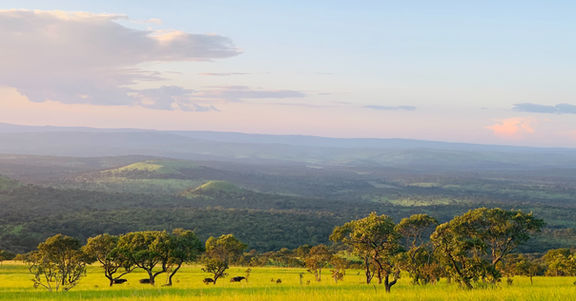
Uncover Burundi, a lush, mountainous jewel echoing with the sound of sacred royal drums. Relax by the pristine shores of Lake Tanganyika, track chimpanzees, and embrace the vibrant soul of Africa.
* Affiliate links are marked with an asterisk (*). We may earn a commission at no extra cost to you.
Photos without credits are sourced from free platforms like Unsplash and Pexels



Summary
Did you know?
True Nile Source – The actual, southernmost source of the mighty Nile River is located here!
Overview
Months
May, June, July, August, September, October
Vacation type
Mountains, Beach
Expenses
0-50€, <100€, <150€, <200€, Over 200€
Temperature
20-25°C
Rainfall
0-50mm, 50-100mm
Safety
Dangerous
Continent
Africa
Currency
Burundian Franc
Languages
Kirundi, English, French
Currency Converter
When to visit
The optimal periods for travel to Burundi are the dry season months (June to September). Weather during these months is temperate with minimal precipitation. These conditions support terrestrial navigation, wildlife observation, and access to regional geological sites.
The peak tourist season aligns with the dry season. This period corresponds with optimal road conditions across the national territory and maximum accessibility to national parks. Accommodation demand and regional travel costs increase during this timeframe.
The rainy season (February to May) is characterized by high temperatures, significant humidity, and heavy precipitation. This timeframe complicates ground transit on unpaved routes, particularly in the forested highlands and rural provinces, as water levels rise.
-
Plan the whole vacation, including flights, transportation, hotels and tours with Expedia *

Climate Data
Peak Season (June to September)
Average Sunny Hours per Day: 8 to 9 hours.
Rain Frequency: Precipitation is minimal to non-existent.
Rainy Hours per Day: Less than 1 hour.
Intensity: Precipitation is rare.
Duration: Precipitation events are exceptionally brief.
Off-Peak Season (February to May)
Average Sunny Hours per Day: 5 to 6 hours.
Rain Frequency: Precipitation is frequent, predominantly as tropical thunderstorms.
Rainy Hours per Day: 2 to 4 hours.
Intensity: Rain is intense and can cause localized infrastructure disruption.
Duration: Weather events can last from several hours to a full day.
Climate Chart
_edited_edited_edited_e.jpg)
Data Source: CRU Time Series v4.07
https://catalogue.ceda.ac.uk/uuid/5fda109ab71947b6b7724077bf7eb753
ClimateCharts.net
Weather, Crowds and Costs
Per one person
Tourist Season: June-September
Budget Vacation ($40-80/day)
Accommodation: $20-40/night (standard guesthouses, local lodgings).
Food: $10-20/day (local markets, informal vendors).
Activities: $5-15/day (entry fees to public and natural sites).
Transportation: $5-10/day (shared minivans, urban transit).
Other Costs: $2-5/day (bottled water, incidental expenses).
Mid-Range Vacation ($90-180/day)
Accommodation: $50-100/night (standard hotels, secure regional guesthouses).
Food: $15-35/day (mid-range restaurants).
Activities: $20-40/day (guided city tours, national park access fees).
Transportation: $10-25/day (private taxis, intercity coaches).
Other Costs: $5-10/day (local goods).
Luxury Vacation ($250+/day)
Accommodation: $150+/night (secure upscale hotels).
Food: $50+/day (premium restaurant dining).
Activities: $40+/day (private guided logistics, specialized wildlife excursions).
Transportation: $80+/day (private 4x4 vehicle with driver).
Other Costs: $20+/day (premium goods, secure transfers).
Off-Peak Season: February-May
Budget Vacation ($30-60/day)
Accommodation: $15-30/night (basic guesthouses).
Food: $5-15/day (local markets).
Activities: $5-10/day (indoor historical sites).
Transportation: $3-8/day (local transit).
Other Costs: $2-5/day (incidentals).
Mid-Range Vacation ($70-140/day)
Accommodation: $40-80/night (standard hotels).
Food: $10-25/day (standard restaurants).
Activities: $10-20/day (guided indoor tours).
Transportation: $10-20/day (taxis).
Other Costs: $5-10/day (goods).
Luxury Vacation ($200+/day)
Accommodation: $120+/night (secure hotels).
Food: $40+/day (premium dining).
Activities: $30+/day (private guided logistics).
Transportation: $60+/day (private secure transit).
Other Costs: $15+/day (premium goods).
-
You can find accomendations that fit your trip and budget on Booking.com, Vrbo and Hotels.com


Best Regions to visit
Cities
1. Bujumbura
- The former capital and largest administrative center. It functions as the primary economic hub, diplomatic center, and port facility on Lake Tanganyika.
2. Gitega
- The political capital, located in the central highlands. It serves as the geographical center of the country and a primary cultural preservation site.
3. Rumonge
- A coastal municipality on Lake Tanganyika. It operates as a regional agricultural center recognized for palm oil production and commercial fishing.
4. Ngozi
- A northern administrative center. It serves as a primary agricultural hub surrounded by commercial tea and coffee plantations.
5. Kirundo
- A northern city located near the Rwandan border. It functions as an access point for regional lake systems and aquatic nature reserves.
Bujumbura

Did you know?
Monster Croc – The country is home to Gustave, a legendary 20-foot, bullet-scarred crocodile!
Islands
Burundi is a landlocked country and does not have islands in the traditional sense.
-
Find the perfect place to stay in any of these top cities and islands with Booking.com, Hotels.com and Vrbo – offering entire homes and apartments for a comfortable and private experience.
Burundi

Things to see
Natural Attractions
1. Rusizi National Park
- A wetland reserve located adjacent to the Rusizi River delta. It provides primary habitat for hippopotamus populations and Nile crocodiles.
2. Kibira National Park
- A montane rainforest situated along the Congo-Nile divide. The ecosystem supports chimpanzees, colobus monkeys, and diverse avifauna species.
3. Ruvubu National Park
- The largest protected terrestrial zone in Burundi, located in the eastern region. The savanna topography supports buffalo and antelope populations.
4. Karera Waterfalls (Chutes de la Karera)
- A tiered hydrological formation in the southeast. The system consists of four distinct waterfalls plunging into forested ravines.
5. Lake Rwihinda Nature Reserve
- An aquatic sanctuary located in the northern Kirundo province. It serves as a primary nesting ground for migratory bird species.
Historical and Cultural Sites
1. Gishora Drum Sanctuary
- A cultural preservation site near Gitega. It contains historical artifacts and serves as the operational center for the Royal Drummers of Burundi.
2. Source of the Nile (Rutovu)
- A geographical landmark in the southern highlands recognized as the southernmost hydrological source of the White Nile river.
3. Livingstone-Stanley Monument
- A stone monolith situated in Mugere. It commemorates the historical encounter between European explorers David Livingstone and Henry Morton Stanley.
4. National Museum of Gitega
- An anthropological facility documenting pre-colonial and colonial Burundian history through preserved artifacts and royal regalia.
5. Musee Vivant (Living Museum)
- A centralized open-air facility in Bujumbura. It exhibits traditional architectural designs, local artisan crafts, and contains a small zoological garden.
Unique Experiences
1. Observing the Royal Drummers
- Witnessing the standardized percussion performances at the Gishora Drum Sanctuary.
2. Navigating Lake Tanganyika
- Operating motorized marine craft on the freshwater lake to observe shoreline topography and commercial fishing fleets.
3. Tracking Hippopotamuses in Rusizi National Park
- Utilizing boat transits in the Rusizi delta to survey local amphibious mammal populations.
4. Inspecting the Teza Tea Plantations
- Surveying commercial agricultural production facilities located in the periphery of the Kibira montane forest.
5. Traversing the Rutovu Source of the Nile
- Accessing the geographical marker via the southern highlands to observe the regional hydrological origin point.
-
The best way to explore major cities and must-see attractions is by booking guided tours.* They offer convenience, local insights, and often save time when visiting popular sights.
Karera Waterfalls

Unique Accomondations/Foodspots
Accommodations
Hotel Club du Lac Tanganyika
Location: Bujumbura
It sits directly on the sandy shores of Lake Tanganyika, the second-deepest lake in the world. You get to relax on a tropical private beach and swim in massive pools while looking straight across the water at the towering mountains of the Congo.
Restaurants/Bars
Cercle Nautique
Location: Bujumbura
This historic sailing club features an open-air terrace right on the edge of the lake. It is the best place in the city to grab a cold drink at sunset, especially because you can often safely watch wild hippos swimming in the water right next to the restaurant.
Tours to do
1. Rusizi National Park and Lake Tanganyika Safari
- A regional excursion from Bujumbura. The itinerary involves a boat transit to observe hippopotamus populations and riparian bird species.
Best Time: June to September
Average Cost: $80 – $150 per person
2. Gishora Drum Sanctuary Cultural Assessment
- A logistical route to Gitega. The excursion focuses on inspecting the structural design of the sanctuary and observing traditional percussion protocols.
Best Time: Year-round
Average Cost: $100 – $180 per person
3. Kibira National Park Nature Trek
- A guided alpine transit through the montane rainforest. The route provides access to primate habitats and the Teza tea plantations.
Best Time: June to August
Average Cost: $120 – $200 per person
4. Karera Waterfalls and Source of the Nile Expedition
- A southern regional assessment. The route covers the tiered geological formations of the Karera falls and the geographical marker at Rutovu.
Best Time: June to September
Average Cost: $150 – $250 per person

How to get around
1. Intercity Coaches
- Private bus companies operate standardized routes connecting Bujumbura, Gitega, and regional capitals. This is the primary method of reliable terrestrial transit.
2. Private Vehicle with Driver
- Procuring a 4x4 vehicle with a local driver is necessary for transit to national parks and navigating unpaved regional routes.
3. Shared Minibuses (Taxi-Brousse)
- The primary mode of intercity transit for the local population. Vehicles depart upon reaching maximum capacity and operate without fixed schedules.
4. Urban Taxis
- Standard taxis operate within Bujumbura and Gitega. Fares must be negotiated prior to departure as meters are not utilized.
5. Moto-Taxis
- Motorcycle taxis provide localized transit in urban centers and rural access routes. Operating parameters lack standardized safety regulations.
For security and efficiency, intercity coaches are standard for interprovincial transit, while private drivers are utilized for rural and ecological site navigation.
-
You can find great car rental deals for your vacation on Expedia *
Did you know?
Illegal Jogging – In 2014, the government officially banned group jogging, fearing it was a cover for protests!
What to eat
1. Mukeke
- An endemic fish species sourced from Lake Tanganyika. It is typically prepared via open-flame grilling and served with cassava or plantains.
2. Ndagala
- Small schooling fish harvested from Lake Tanganyika. They are dried or fried and consumed whole as a primary protein source.
3. Ibiharage
- Red kidney beans boiled and salted. The dish functions as a dietary staple across the national territory.
4. Ugali
- A dense, starchy paste synthesized from milled cassava or maize. It serves as the primary carbohydrate base for regional stews.
5. Brochettes
- Skewered and grilled meat, predominantly beef or goat. The meat is marinated in local spices and cooked over a charcoal brazier.

Flights
Flight prices are approximate and vary by departure city, airline, and booking time. Check airlines or travel platforms for the latest details.
* Please note: All prices are rough estimates for orientation purposes only and may vary by region.
Main Airport: Melchior Ndadaye International Airport (BJM), Bujumbura
Flight Prices and Seasons:
From Europe
- Average Round-Trip Cost: €700 to €1,300.
- Cheapest Months: October and November.
- Peak Prices: July, August, and December.
From North America
- Average Round-Trip Cost: $1,100 to $2,000.
- Cheapest Months: February and March.
- Peak Prices: June to August and December.
From Asia
- Average Round-Trip Cost: $1,200 to $2,200.
- Cheapest Months: October and November.
- Peak Prices: December and January.
From Australia
- Average Round-Trip Cost: $1,600 to $2,800.
- Cheapest Months: May and November.
- Peak Prices: December and January.
From Africa
- Average Round-Trip Cost: $300 to $800.
- Cheapest Months: February and October.
- Peak Prices: August and December.
-
You can find the best flight deals with Skyscanner or plan the whole vacation, including flights, transportation, hotels and tours with Expedia *
Airport Location
Visa
1. Visa Requirement
- A valid visa is mandatory for foreign nationals entering Burundi.
2. Visa on Arrival
- Citizens of several countries can procure a one-month tourist visa upon arrival at Melchior Ndadaye International Airport or designated land borders.
3. Online Registration
- All passengers entering or transiting must complete an incoming/outgoing passenger registration form via the official government portal prior to travel.
4. Required Documentation
- Applications require a passport valid for six months beyond the intended stay, proof of accommodation, and a confirmed return ticket.
5. Health Requirements
- A Yellow Fever vaccination certificate is strictly mandated for entry and will be verified by border authorities. Malaria prophylaxis is strongly advised.
6. Land Border Restrictions
- Certain terrestrial borders are subject to periodic closures. The border with Rwanda is currently classified as closed.
7. Duration of Stay
- Tourist visas are typically authorized for a maximum continuous stay of 30 days.
Important things to know
1. Payments
- The official currency is the Burundian Franc (BIF). The economy operates predominantly on a cash basis. Credit card infrastructure is limited to major hotels and select establishments in Bujumbura.
2. Tap Water
- Municipal tap water is not potable. Consumption must be limited to commercially sealed bottled water or purified water.
3. Electricity
- The standard voltage is 220V. Plug types C and E (two round pins) are standard. Power infrastructure is subject to periodic interruptions.
4. Tipping in Restaurants
- Tipping is not a formal requirement. Adding a 10% gratuity for satisfactory service in mid-range to upscale establishments is standard practice.
5. SIM Cards
- Local SIM cards (e.g., Lumitel, Econet Leo) are available at official retail locations. Registration requires a passport.
6. Driving Side
- Vehicles operate on the right side of the road.
Souveniers
1. Traditional Drums
- Scaled wooden replicas of the ceremonial percussion instruments utilized in royal rituals.
2. Burundian Coffee
- High-altitude Arabica coffee beans cultivated and processed in the central highlands.
3. Woven Baskets
- Handcrafted storage receptacles produced utilizing dyed natural fibers and geometric weaving techniques.
Burundian Coffee

Location
Reviews
You already visited this country? Share your experiences with others! Tell us what’s worth seeing, what to skip, the things you wish you knew before your trip, what surprised you, what do you wish you knew earlier? Leave a review and help others plan smarter. Thanks in advance! :))