


Country Info | Read more

Flags are sourced from free platforms like flagpedia.net
Lesotho
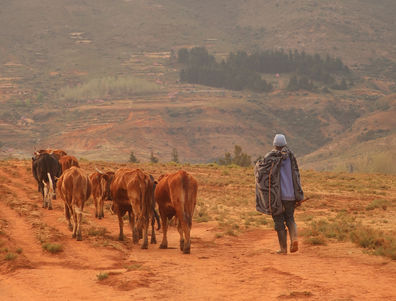
Explore Lesotho, famous for dramatic mountain ranges, traditional pony trekking, and scenic spots like Semonkong and Maseru. Enjoy unique Southern African cultural adventures.
* Affiliate links are marked with an asterisk (*). We may earn a commission at no extra cost to you.
Photos without credits are sourced from free platforms like Unsplash and Pexels




Summary
Neighboring Countries
Did you know?
Highest Lowest Point – Lesotho holds the title of having the highest "lowest point" of any country in the world. The nation sits entirely above 1,400 meters in elevation.
Overview
Months
April, August, December, February, January, July, June, March, May, November, October, September
Vacation type
Mountains, Safari
Expenses
0-50€, <100€, <150€, <200€, Over 200€
Temperature
0-10°C, 10-20°C, 20-25°C, 25-30°C
Rainfall
0-50mm, 100-150mm, 50-100mm
Safety
Medium
Continent
Africa
Currency
Lesotho Loti
Languages
Sesotho, English
Currency Converter
When to visit
The best time to visit Lesotho is during the warmer months, from October to April. During these months, the weather is pleasant and the landscape is vividly green, making it ideal for exploring the rugged mountains, pony trekking, and seeing the magnificent waterfalls at their peak flow.
The peak tourist season generally aligns with this period, particularly around December and January. However, this is also the rainy season, so you can expect afternoon thunderstorms that bring dramatic skies and lush landscapes to the "Kingdom in the Sky."
The shoulder months of September and May offer excellent, balanced weather with fewer tourists and mostly clear skies, perfect for hiking before the extreme temperatures hit.
The winter season, from June to August, brings bitter cold and frequent snow to the high-altitude regions. While challenging for general sightseeing, this is the prime time for winter sports enthusiasts heading to the Afriski Mountain Resort for a unique African skiing experience.
-
Plan the whole vacation, including flights, transportation, hotels and tours with Expedia *

Climate Data
Peak Season (October to April - Summer/Rainy Season)
Average Sunny Hours per Day: Approximately 7 to 8 hours.
Rain Frequency: Rain is frequent, mostly taking the form of dramatic afternoon thunderstorms.
Rainy Hours per Day: Approximately 1 to 2 hours.
Intensity: Rain can be heavy but is usually short-lived.
Duration: Showers typically last an hour or two in the late afternoon.
Off-Peak Season (May to September - Winter/Dry Season)
Average Sunny Hours per Day: Approximately 8 to 9 hours.
Rain Frequency: Rain is very infrequent; skies are typically clear and bright.
Rainy Hours per Day: Less than 1 hour (mostly zero).
Intensity: Precipitation is rare, but when it happens at high altitudes, it falls as snow.
Duration: Snowfalls can last a few hours and stick to the peaks for days.
Climate Chart
_edited_edited_edited_e.jpg)
Data Source: CRU Time Series v4.07https://catalogue.ceda.ac.uk/uuid/5fda109ab71947b6b7724077bf7eb753
ClimateCharts.net
Weather, Crowds and Costs
Per one person
Tourist Season: October-April (Warmer Months)
Budget Vacation ($35-60/day)
Accommodation: $20-35/night (budget lodges, backpacker hostels in Maseru or Semonkong).
Food: $5-10/day (local street food, casual diners).
Activities: $5-15/day (unguided hiking, small entrance fees to cultural sites).
Transportation: $2-5/day (local minibus taxis).
Other Costs: $5/day (drinks, basic souvenirs).
Mid-Range Vacation ($80-160/day)
Accommodation: $50-100/night (comfortable guesthouses, mid-range mountain lodges).
Food: $15-30/day (sit-down meals at lodges and restaurants).
Activities: $20-40/day (guided pony treks, guided tours of Thaba Bosiu).
Transportation: $20-40/day (shared costs of a standard rental car).
Other Costs: $10/day (tips, entry to national parks).
Luxury Vacation ($200+/day)
Accommodation: $150+/night (premium alpine lodges, high-end stays in Maseru).
Food: $40+/day (fine dining at top hotels, imported wines).
Activities: $50+/day (private 4x4 guided excursions, world-record abseiling).
Transportation: $80+/day (4x4 vehicle rental, private transfers).
Other Costs: $20+/day (premium traditional Basotho blankets, high-end mohair products).
Off-Peak Season: May-September (Winter/Dry Season)
Budget Vacation ($30-50/day)
Accommodation: $15-25/night (discounted hostels, staying in traditional rondavels).
Food: $5-10/day (local food).
Activities: $5-10/day (hiking, exploring local villages).
Transportation: $2-5/day (public minibuses).
Other Costs: $3-5/day (minimal souvenirs).
Mid-Range Vacation ($70-130/day)
Accommodation: $40-80/night (mid-range lodges with good heating).
Food: $10-25/day (hearty lodge meals).
Activities: $15-30/day (cultural tours, day trips to snow spots).
Transportation: $20-30/day (rental car).
Other Costs: $5-10/day (shopping, tips).
Luxury Vacation ($180+/day)
Accommodation: $120+/night (luxury resorts, especially near Afriski where winter is actually peak).
Food: $30+/day (gourmet meals).
Activities: $40+/day (ski passes, private winter guided tours).
Transportation: $60+/day (premium 4x4 transport).
Other Costs: $10+/day (drinks, spa treatments).
-
You can find accomendations that fit your trip and budget on Booking.com, Vrbo and Hotels.com


Best Regions to visit
Cities
1. Maseru
- The capital and largest city, located right on the border with South Africa. It serves as the commercial hub and the primary starting point for exploring the country's interior.
2. Semonkong
- Tucked away in the central highlands, this small town is famous as the gateway to the breathtaking Maletsunyane Falls and offers some of the best pony trekking in the country.
3. Roma
- Known as the educational center of Lesotho, this scenic town is surrounded by massive sandstone cliffs and is home to the National University and nearby dinosaur footprints.
4. Hlotse (Leribe)
- A vibrant town in the north known for its local craft centers, historic British forts, and as a convenient base for exploring the northern highlands and Tsehlanyane National Park.
5. Mokhotlong
- One of the most remote towns in Lesotho, offering a rugged, authentic high-altitude experience. It’s the last major stop before tackling the famous Sani Pass into South Africa.
Maseru

Did you know?
A Nation Within a Nation – It is one of only three sovereign countries in the world entirely landlocked and surrounded by a single other country (South Africa).
Islands
Lesotho is completely landlocked and sits high in the mountains, so it has no marine islands.
-
Find the perfect place to stay in any of these top cities and islands with Booking.com, Hotels.com and Vrbo – offering entire homes and apartments for a comfortable and private experience.
Lesotho

Things to see
Natural Attractions
1. Maletsunyane Falls
- Plunging an incredible 192 meters into a deep gorge, this is one of the highest single-drop waterfalls in Africa. It is breathtaking, particularly during the summer rains.
2. Tsehlanyane National Park
- Lesotho's most accessible national park, known for its rugged mountain vistas, indigenous woodlands, and an excellent network of pristine hiking trails.
3. Sehlabathebe National Park
- A remote UNESCO World Heritage site in the southeast. It is famous for its rolling grasslands, striking rock arches, and serene, isolated atmosphere.
4. Sani Pass
- A legendary and treacherous mountain pass connecting Lesotho to South Africa. The steep, winding 4x4 dirt track offers some of the most dramatic, sweeping views on the continent.
5. Katse Dam
- A spectacular feat of engineering. The massive concrete arch dam creates a stunning, twisting blue reservoir that sharply contrasts with the barren mountain peaks surrounding it.
Historical and Cultural Sites
1. Thaba Bosiu
- The spiritual and historical heart of Lesotho. This flat-topped mountain served as the fortress of King Moshoeshoe I, where he successfully defended his people and founded the Basotho nation.
2. Ha Kome Cave Dwellings
- Incredible, well-preserved mud houses built directly under a massive rock overhang. They were built in the 19th century as hideouts during tribal wars and are still inhabited by descendants today.
3. Morija Museum & Archives
- The best place to dive into the country's history. This museum houses fascinating exhibits on Basotho culture, the Boer Wars, and early missionary settlements.
4. Quthing Dinosaur Footprints
- A remarkably clear set of fossilized dinosaur tracks embedded in the sandstone riverbed, dating back millions of years and completely open to the elements.
5. Major Bell's Tower
- Located in Hlotse, this small stone tower was built by the British in the late 1800s and stands as a reminder of the region's complex colonial-era conflicts.
Highland and Alpine Attractions
1. Afriski Mountain Resort
- One of the very few places in Africa where you can hit the slopes. Located at over 3,000 meters, it offers snow skiing in the winter and mountain biking in the summer.
2. Bokong Nature Reserve
- Perched at the top of the Mafika Lisiu Pass, this reserve offers stunning views down the valley, a beautiful high-altitude wetland, and the dramatic Lepaqoa Waterfall.
3. Maloti Mountains
- The defining feature of Lesotho’s landscape. This endless, rolling mountain range covers almost the entire country, providing endless opportunities for off-grid exploration.
4. Mafika Lisiu Pass
- A breathtakingly steep, paved mountain pass that climbs over 3,000 meters. The viewpoint at the summit offers unparalleled, dizzying views of the valleys below.
5. Sani Top
- The summit of the Sani Pass. It is famously home to the "Highest Pub in Africa," where you can enjoy a drink at 2,874 meters while looking out over the clouds.
Unique Experiences
1. Basotho Pony Trekking
- The quintessential Lesotho experience. Ride sure-footed native ponies through remote, roadless mountain passes to visit isolated villages and dramatic viewpoints.
2. Abseiling Maletsunyane
- For extreme thrill-seekers, this is the Guinness World Record holder for the longest commercially operated single-drop abseil in the world (204 meters).
3. Staying in a Traditional Rondavel
- Spend the night in a classic, round, thatched-roof stone hut. Many rural lodges offer these authentic, cozy accommodations for a true taste of Basotho living.
4. Katse Dam Internal Tour
- Go deep inside the wall of the second-highest dam in Africa. Guided tours take you into the massive concrete structure to learn about the incredible engineering involved.
5. Wearing a Basotho Blanket
- Embrace the local culture by donning a traditional, brightly patterned wool Basotho blanket, which is worn by locals nationwide to combat the biting mountain winds.
-
The best way to explore major cities and must-see attractions is by booking guided tours.* They offer convenience, local insights, and often save time when visiting popular sights.
Maletsunyane Falls

Unique Accomondations/Foodspots
Accommodations
Thaba Bosiu Cultural Village
Location: Thaba Bosiu (near Maseru)
A unique cultural sanctuary nestled right at the foot of the historic Thaba Bosiu plateau, offering comfortable traditional-style thatched chalets that immerse guests in the rich heritage and history of the Basotho nation.
Restaurants/Bars
The Trading Post Café
Location: Roma
A charming, rustic eatery set in a historic restored trading post surrounded by lush gardens, famous for its delicious artisan coffees, fresh farm-to-table meals, and warm hospitality for travelers exploring the Maloti Mountains.
Tours to do
1. Sani Pass 4x4 Adventure Tour
- The most famous day trip in the region. You ride in a rugged 4x4 up the treacherous, winding switchbacks of the Sani Pass, crossing the border to enjoy a Maluti beer at the highest pub in Africa.
Best Time: October to May (snow can close the pass in winter)
Average Cost: $60 – $100 per person
2. Maletsunyane Falls Pony Trekking
- A guided horseback journey out of Semonkong. You ride traditional, sure-footed Basotho ponies across the rolling highlands until you reach the edge of the gorge to view the massive 192-meter waterfall.
Best Time: October to April (for green landscapes and heavy water flow)
Average Cost: $30 – $60 per person
3. Thaba Bosiu and Kome Caves Cultural Tour
- A full-day historical deep dive starting from Maseru. A local guide takes you up the legendary Thaba Bosiu fortress mountain, followed by a visit to the incredible 19th-century mud dwellings hidden under rock overhangs at Ha Kome.
Best Time: Year-round
Average Cost: $50 – $90 per person
4. Katse Dam Engineering and Boat Cruise
- A fascinating trip into the Lesotho Highlands Water Project. You get a guided walking tour inside the massive concrete dam wall, followed by a scenic boat ride on the high-altitude reservoir to spot local birdlife.
Best Time: September to May
Average Cost: $20 – $40 per person
Sani Pass

How to get around
1. Minibus Taxis
- The most common and cheapest way to get around for locals. They connect almost all towns, but they don't operate on fixed schedules and only leave when crammed completely full.
2. 4x4 Car Rentals
- Renting a reliable 4x4 is hands down the best way to explore Lesotho independently. While main arteries are paved, any detour into the mountains or national parks requires high clearance and four-wheel drive.
3. Basotho Ponies
- In the deep highlands, roads disappear completely. Hiring a local guide with horses is the traditional and sometimes only way to travel between remote mountain villages.
4. Domestic Charter Flights
- For those with a high budget and limited time, small charter planes can hop between tiny, terrifyingly steep mountain airstrips to reach remote clinics and lodges.
5. Organized Tours
- Because navigating the rugged terrain and understanding the culture can be daunting, booking a local driver/guide is highly recommended for stress-free, flexible travel.
For flexibility and ease, renting a 4x4 from South Africa and driving in is preferred, while pony trekking is essential for off-the-grid exploration.
-
You can find great car rental deals for your vacation on Expedia *
Did you know?
Unconquered Fortress – Thanks to the brilliant diplomacy of King Moshoeshoe I and the impenetrable mountainous terrain, Lesotho was never fully conquered.
What to eat
1. Papa and Seswaa
- The ultimate national staple. A thick, stiff maize meal porridge (papa) served alongside a rich, slow-cooked, shredded beef or mutton stew (seswaa).
2. Morogo
- A highly nutritious traditional dish made from wild mountain spinach or other dark leafy greens, usually boiled and lightly sautéed with onions to accompany meat.
3. Makoenya
- The ultimate Basotho comfort street food. These are sweet, deep-fried dough balls (fat cakes) sold warm on the side of the road, often enjoyed with a cup of tea.
4. Maluti Premium Lager
- While not a food, this crisp, locally brewed lager made from fresh mountain spring water is an absolute must-try and pairs perfectly with hearty mountain meals.

Flights
Flight prices are approximate and vary by departure city, airline, and booking time. Check airlines or travel platforms for the latest details.
* Please note: All prices are rough estimates for orientation purposes only and may vary by region.
Main Airport: Moshoeshoe I International Airport (MSU), Maseru (Note: Most international travelers fly into Johannesburg, South Africa, and take a connecting flight or drive into Lesotho).
Flight Prices and Seasons:
From Europe
- Average Round-Trip Cost: €700 to €1,300.
- Cheapest Months: February and November.
- Peak Prices: July, August, and December.
From North America
- Average Round-Trip Cost: $1,000 to $1,800.
- Cheapest Months: October and March.
- Peak Prices: June to August and December holidays.
From Asia
- Average Round-Trip Cost: $1,100 to $2,000.
- Cheapest Months: September and November.
- Peak Prices: December and January.
From Australia
- Average Round-Trip Cost: $1,500 to $2,500.
- Cheapest Months: May and November.
- Peak Prices: December holidays.
From Africa
- Average Round-Trip Cost: $200 to $700.
- Cheapest Months: February and October.
- Peak Prices: December holidays.
-
You can find the best flight deals with Skyscanner or plan the whole vacation, including flights, transportation, hotels and tours with Expedia *
Airport Location
Visa
1. Visa Requirement
- Lesotho has relatively relaxed entry requirements, making it easy for many international travelers to visit.
2. Visa-Free Countries
- Citizens of the US, UK, Canada, Australia, most EU nations, and SADC countries can enter Lesotho visa-free.
3. E-Visa System
- Travelers from countries that do require a visa must apply for an e-Visa online through the official Lesotho government portal before arrival.
4. Application Process
- The online process is simple: upload your passport, an itinerary, and a recent photo, then pay the processing fee.
5. Processing Time
- The e-Visa typically takes about 3 to 5 working days to process, so apply at least a week before your trip.
6. Duration of Stay
- Visa-free visitors are generally granted entry for 14 to 90 days, depending on their nationality.
7. Health Requirements
- No specific vaccinations are required unless you are arriving from a Yellow Fever endemic country, in which case a certificate is mandatory.
Important things to know
1. Payments
- The local currency is the Lesotho Loti (LSL), which is pegged to the South African Rand (ZAR). Rand notes are accepted everywhere. Credit cards work in major hotels, but cash is needed for rural areas.
2. Tap Water
- Tap water is generally safe to drink in the capital, Maseru, and at major mountain lodges, though bottled water is advised in remote villages.
3. Electricity
- The voltage is 220V, and plug type M (three thick round pins) is used. An adapter may be needed for devices from other regions.
4. Tipping in Restaurants
- Tipping is customary, with 10% being the standard for good service in restaurants and lodges.
5. SIM Cards
- Local SIM cards are available from providers like Vodacom and Econet. They can be purchased in major towns, though coverage is sparse in the high mountains.
6. Driving Side
- In Lesotho, people drive on the left side of the road.
Souveniers
1. Basotho Hat (Mokorotlo)
- The iconic, conical woven grass hat that is the national symbol of Lesotho.
2. Basotho Heritage Blanket
- Thick, vibrant, and deeply symbolic wool blankets worn by the locals.
3. Mohair Products
- High-quality, incredibly soft hand-woven scarves and tapestries made from local mountain goats.
Mohair

Location
Reviews
You already visited this country? Share your experiences with others! Tell us what’s worth seeing, what to skip, the things you wish you knew before your trip, what surprised you, what do you wish you knew earlier? Leave a review and help others plan smarter. Thanks in advance! :))