


Country Info | Read more

Flags are sourced from free platforms like flagpedia.net
Benin
Explore Benin, famous for the royal palaces of Abomey, palm-fringed beaches, and vibrant cities like Cotonou and Ouidah. Enjoy unique West African cultural adventures.
* Affiliate links are marked with an asterisk (*). We may earn a commission at no extra cost to you.
Photos without credits are sourced from free platforms like Unsplash and Pexels


Summary
Neighboring Countries
Did you know?
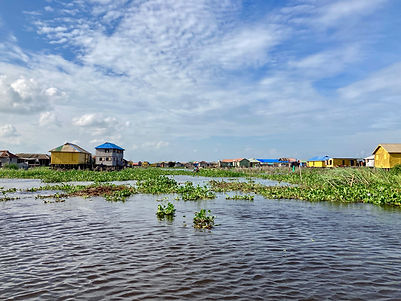
The Venice of Africa – Benin is home to Ganvié, a 300-year-old village built entirely on stilts in the middle of a lake, where over 20,000 people live.
Overview
Months
April, December, February, January, June, March, May, November, October
Vacation type
Beach, Safari
Expenses
0-50€, <100€, <150€, <200€, Over 200€
Temperature
20-25°C, 25-30°C, Over 30°C
Rainfall
0-50mm, 50-100mm
Safety
Medium
Continent
Africa
Currency
West African CFA franc
Languages
French, Fon
Currency Converter
When to visit
The best period to visit Benin is the dry season from November to February. Daytime temperatures average between 27°C and 31°C, with monthly rainfall dropping to under 20 mm. This dry climate is highly suitable for taking a safari in Pendjari National Park to spot lions and elephants, or exploring the historical Royal Palaces of Abomey.
The peak tourist season runs from December to March. A major draw is the annual Voodoo Festival on January 10 in Ouidah. Because of the high influx of visitors to the coast and the stilt village of Ganvié, accommodation prices generally rise by 20% to 30%. Securing hotel reservations early is highly advised.
The shoulder months of October and April are practical alternatives. Daytime highs remain warm at around 32°C. While brief rain showers occur, visitors can explore with fewer crowds and benefit from room rate reductions of about 15% to 20%.
The rainy season spans from May to September. Coastal humidity exceeds 85%, and the southern regions receive over 150 mm of precipitation per month. Although this weather makes the vegetation highly vibrant, the heavy rainfall regularly floods unpaved routes. Consequently, traveling to remote northern areas becomes extremely difficult and strictly requires a 4x4 vehicle.
-
Plan the whole vacation, including flights, transportation, hotels and tours with Expedia *

Climate Data
Peak Season (November to March)
Average Sunny Hours per Day: Approximately 7 to 8 hours.
Rain Frequency: Rain is very infrequent, as this coincides with the dry season.
Rainy Hours per Day: Less than 1 hour on average (mostly zero).
Intensity: If rain occurs, it is typically very light.
Duration: Showers are extremely brief, usually lasting less than an hour.
Off-Peak Season (April to October)
Average Sunny Hours per Day: Approximately 5 to 7 hours.
Rain Frequency: Rain is frequent, particularly during the primary rainy months (May to July).
Rainy Hours per Day: Approximately 1 to 3 hours.
Intensity: Rain can be heavy, often taking the form of intense tropical downpours.
Duration: Rain events can range from quick, heavy bursts to steady rainfall lasting a few hours.
Climate Chart
_edited_edited_edited_e.jpg)
Data Source: Global Historical Climatology Network
ClimateCharts.net
Weather, Crowds and Costs
Per one person
Tourist Season: November-March (Dry Season)
Budget Vacation ($30-60/day)
Accommodation: $10-25/night (basic auberges, budget guesthouses).
Food: $5-10/day (street food, local maquis eateries).
Activities: $5-15/day (museum entry fees, exploring markets and beaches).
Transportation: $2-5/day (zemidjans / moto-taxis, local minibuses).
Other Costs: $5/day (minimal souvenirs, tips).
Mid-Range Vacation ($80-160/day)
Accommodation: $40-90/night (mid-range hotels with AC, boutique stays).
Food: $15-30/day (sit-down local and expat restaurants).
Activities: $10-20/day (guided tours of Ouidah or Abomey, boat trips to the stilt village of Ganvié).
Transportation: $10-15/day (intercity shared taxis, private taxis).
Other Costs: $5-10/day (handicrafts, drinks).
Luxury Vacation ($200+/day)
Accommodation: $120+/night (upscale hotels in Cotonou, private beachfront resorts).
Food: $40+/day (fine dining, premium hotel restaurants).
Activities: $30+/day (private full-day guided tours, personalized cultural experiences).
Transportation: $40+/day (private hired car with a driver).
Other Costs: $10+/day (premium local art, premium drinks).
Off-Peak Season: April-October (Rainy Season)
Budget Vacation ($25-50/day)
Accommodation: $10-20/night (budget stays, often discounted).
Food: $5-10/day (local food).
Activities: $5-10/day (indoor museums, visiting local craft centers).
Transportation: $2-5/day (public transport, zemidjans).
Other Costs: $3-5/day (minimal souvenirs).
Mid-Range Vacation ($60-120/day)
Accommodation: $30-70/night (mid-range hotels).
Food: $10-20/day (local restaurants).
Activities: $10-15/day (local tours, exploring historic sites).
Transportation: $5-10/day (taxis, short-distance transport).
Other Costs: $5/day (shopping, tips).
Luxury Vacation ($150+/day)
Accommodation: $90+/night (luxury resorts and hotels at off-peak rates).
Food: $30+/day (gourmet meals).
Activities: $20+/day (private indoor/outdoor excursions).
Transportation: $30+/day (private transport).
Other Costs: $10+/day (luxury shopping, drinks).
-
You can find accomendations that fit your trip and budget on Booking.com, Vrbo and Hotels.com


Best Regions to visit
Cities
1. Cotonou
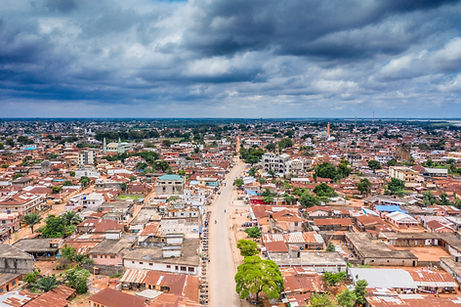
- The economic capital and largest city, Cotonou is known for its bustling energy, the massive Dantokpa Market, and as the main gateway to the rest of the country.
2. Ouidah
- Located along the coast, Ouidah is famous as the spiritual birthplace of Voodoo and holds deep historical significance with monuments like the Door of No Return.
3. Abomey
- Once the center of the powerful Dahomey Kingdom, Abomey is best known for its UNESCO-listed Royal Palaces and museums that dive into the region's rich royal history.
4. Ganvié
- Often referred to as the "Venice of Africa," this fascinating village is built entirely on stilts in the middle of Lake Nokoué, with locals getting around exclusively by wooden boats.
5. Grand-Popo
- Situated near the border with Togo, Grand-Popo offers a laid-back vibe, featuring quiet, palm-lined beaches and scenic boat trips along the Mono River.
Cotonou
Did you know?
The Real-Life Amazons – Benin’s history features the Agojie, an elite, all-female warrior army of the Dahomey Kingdom that famously inspired Marvel's Dora Milaje in Black Panther.
Islands
1. Ganvié
- While technically a massive village built on stilts rather than a traditional landmass, Ganvié sits in the middle of Lake Nokoué. Often called the "Venice of Africa," it is accessible only by boat and offers a fascinating look at daily life on the water.
2. Île aux Oiseaux (Bird Island)
- Located near Grand-Popo at the mouth of the Mono River (the Bouches du Roy), this small island is a quiet natural sanctuary. It is a popular stop on boat tours and offers great birdwatching among the mangroves.
3. Île au Sel (Salt Island)
- Also situated in the Mono River delta near Grand-Popo, this island is famous for its traditional salt production. Visitors can take a boat here to watch locals harvesting and boiling salt using methods passed down for generations.
4. Agonve
- Found on Lake Ahémé, Agonve is a smaller, lesser-known island and stilt village. It offers a very peaceful, authentic look at traditional fishing practices and is deeply connected to the region's local Voodoo culture.
-
Find the perfect place to stay in any of these top cities and islands with Booking.com, Hotels.com and Vrbo – offering entire homes and apartments for a comfortable and private experience.

Things to see
Natural Attractions
1. Pendjari National Park
- Widely considered one of the best wildlife reserves in West Africa, this park is a haven for spotting elephants, hippos, buffalo, and the rare West African lion.
2. Kota Falls (Chutes de Kota)
- Tucked away in the Atacora mountain range, these beautiful cascading waterfalls plunge into a cool pool, offering a refreshing swim surrounded by lush greenery.
3. W National Park
- A massive, rugged transboundary reserve shared with Niger and Burkina Faso. It features diverse landscapes from savannahs to woodlands and is excellent for birdwatching and large mammal sightings.
4. Atacora Mountains
- A scenic, rolling mountain range in the northwest of the country that provides great hiking trails, sweeping views, and access to traditional northern villages.
5. Lake Ahémé
- A tranquil, picturesque lake in the southwest surrounded by dense vegetation. It’s perfect for peaceful boat rides, learning about traditional fishing techniques, and spotting local birdlife.
Historical and Cultural Sites
1. Royal Palaces of Abomey
- A UNESCO World Heritage site featuring the earthen remains of the powerful Dahomey Kingdom. The complex includes fascinating museums displaying royal artifacts, thrones, and tapestries.
2. The Door of No Return
- A powerful and solemn memorial arch standing on the beach in Ouidah. It marks the final departure point for millions of enslaved people taken across the Atlantic.
3. Temple of Pythons
- A highly sacred Voodoo shrine in Ouidah where dozens of harmless royal pythons slither freely around the grounds and are revered by the local worshippers.
4. Ouidah Museum of History
- Housed inside a restored 18th-century Portuguese fort, this museum offers a deep dive into the region's complex history, focusing on the trans-Atlantic slave trade and Voodoo culture.
5. Porto-Novo
- Benin's official capital is a calm city filled with faded but striking Afro-Brazilian architecture, the colorful Great Mosque (which resembles a church), and lush botanical gardens.
Coastal and Water Attractions
1. Ganvié
- Known as the "Venice of Africa," this extraordinary village of over 20,000 people is built entirely on stilts in Lake Nokoué. Locals navigate the waterways exclusively by wooden pirogues.
2. Grand-Popo Beach
- A deeply relaxed coastal town offering miles of golden, palm-fringed sand. The powerful Atlantic surf makes swimming tricky, but it's perfect for long walks and unwinding.
3. Bouches du Roy
- The scenic river mouth where the Mono River empties into the Atlantic Ocean. The area is rich in mangroves, sea turtles, and is ideal for boat excursions.
4. Route des Pêches
- A sandy, scenic coastal track stretching between Cotonou and Ouidah. It runs right along the ocean, passing through small fishing villages and groves of coconut palms.
5. Mono River
- Taking a traditional wooden canoe down this slow-moving river offers a peaceful way to explore mangrove ecosystems and isolated island communities.
Unique Experiences
1. Voodoo Festival (Fête du Vodoun)
- If visiting in January, this nationwide public holiday is an unforgettable experience. Ouidah becomes the epicenter of spectacular dances, rhythmic drumming, and deep spiritual rituals.
2. Dantokpa Market
- One of West Africa's largest open-air markets, sprawling across Cotonou. It's a chaotic, sensory overload where you can buy everything from fresh produce and colorful wax prints to traditional Voodoo talismans.
3. Tata Somba Houses
- Travel to the northern Boukoumbé region to see these incredible, two-story mud dwellings that look like miniature, fortified castles, built by the indigenous Somba people.
4. Zangbeto Ceremonies
- Witness the mesmerising traditional dances of the Zangbeto—the "Night Watchmen" of Voodoo. These towering, spinning costumes made of dyed raffia are believed to be inhabited by spirits.
5. Salt Making in Djégbadji
- Visit this small village near Ouidah to watch the fascinating, centuries-old process of women extracting salt from the earth, boiling it down in large pots over open fires.
-
The best way to explore major cities and must-see attractions is by booking guided tours.* They offer convenience, local insights, and often save time when visiting popular sights.

Unique Accomondations/Foodspots
Accommodations
Casa del Papa
Location: Ouidah
You stay in wooden bungalows built on a thin strip of sand right between the wild Atlantic Ocean and a calm saltwater lagoon. It is a completely peaceful hideaway surrounded by palm trees.
Restaurants/Bars
Babs' Dock
Location: Cotonou
You can only reach this hidden wooden deck by taking a small boat ride through a thick, green mangrove forest. Once you arrive, you can eat fresh seafood right on the edge of a quiet lake and play on rope swings over the water.
Tours to do
1. Ganvié Stilt Village Half-Day Boat Tour
- Often called the "Venice of Africa," this is an absolute must-do boat trip out of Cotonou. You glide across Lake Nokoué in a motorized wooden boat through a massive village built entirely on stilts, watching locals trade at the floating market and go about their daily lives on the water. Best Time: November to March (avoiding the heavy rains for smoother boating)
Average Cost: $30 – $60 per person
2. Ouidah Voodoo and Slave Route Historical Tour
- A deeply moving and culturally rich guided tour through Benin's spiritual capital. You start by visiting the famous Temple of Pythons and the Sacred Forest, then walk the somber, two-mile Route of Slaves down to the iconic Door of No Return right on the beach.
Best Time: Year-round (January is best to catch the annual Voodoo Festival)
Average Cost: $40 – $80 per person
3. Pendjari National Park Wildlife Safari
- Head to the rugged north for one of the best traditional safari experiences in West Africa. Guided jeep tours take you deep into the protected savanna to spot wild elephants, hippos, baboons, buffalo, and if you get lucky, the rare West African lion.
Best Time: December to May (dry season draws animals out to the watering holes)
Average Cost: $150 – $250 per person (often booked as a multi-day package)
4. Abomey Royal Palaces and Dahomey Kingdom Tour
- Step back in time with a guided exploration of the UNESCO-listed earthen palaces. A local expert walks you through the historic complex, sharing fascinating stories of the powerful Dahomey kings, their legendary female warriors (the Agojie), and traditional artisan techniques. Best Time: November to March
Average Cost: $35 – $60 per person
5. Black River (Rivière Noire) Canoe Eco-Tour
- A peaceful, off-the-beaten-path excursion near Adjarra. You float down a tranquil, mirror-like river in a traditional wooden pirogue, surrounded by incredibly dense, lush vegetation, while spotting monkeys, colorful tropical birds, and local palm oil producers.
Best Time: October to May
Average Cost: $20 – $50 per person
Wildlife Safari

How to get around
1. Zémidjans (Moto-Taxis)
- The most popular and efficient way to travel short distances within cities and towns. Drivers typically wear distinctive yellow or brightly colored shirts, and fares should always be negotiated before hopping on.
2. Bush Taxis (Taxi-Brousse)
- Shared cars or minivans that connect major cities and towns like Cotonou, Ouidah, and Porto-Novo. They offer a very cheap, authentic local experience, though they only depart when completely full and can get quite crowded.
3. Car Rentals (with Driver)
- Renting a private car is the most comfortable way to explore the country, especially for remote areas. Due to unpredictable road conditions and limited signage, it is highly recommended to hire a vehicle that comes with a local driver-guide.
4. Intercity Buses
- For longer journeys, such as traveling from the southern coast up to Parakou or Natitingou in the north, private coach companies offer a safer, more scheduled, and slightly more comfortable alternative to bush taxis.
5. Pirogues (Wooden Boats)
- For exploring water-based destinations like the stilt village of Ganvié, Lake Ahémé, or the Mono River, traditional wooden canoes or motorized pirogues are the essential and most scenic mode of transport.
6. Private Taxis
- While regular taxis exist in larger cities, they often operate as shared transport on fixed routes. You can hire one entirely for yourself (often called a "drop") for a more comfortable city ride, but it costs significantly more than a moto-taxi.
For flexibility and comfort, hiring a car with a driver is often preferred for exploring the whole country, while zémidjans are the absolute best choice for quick, short distances within cities.
-
You can find great car rental deals for your vacation on Expedia *
Did you know?
Birthplace of Voodoo – Benin is the official cradle of the Voodoo religion, where spiritual traditions, vibrant masquerade dances, and sacred temples are a part of everyday life.
What to eat
1. Amiwo (Djèwo)
- A savory red corn dough cooked in a flavorful broth of chicken stock, tomatoes, and spices, typically accompanied by grilled or fried chicken and a spicy pepper sauce.
2. Dahomey Fish Stew
- A hearty and traditional stew made with firm fish fillets simmered in a rich, vibrant sauce of tomatoes, onions, palm oil, and a blend of local spices, usually served with rice.
3. Yovo Doko
- Benin's most popular sweet street food, these light and airy deep-fried dough balls are similar to French beignets, often dusted with powdered sugar and enjoyed as a quick snack.
4. Wagassi
- A unique cow's milk cheese made by the Fulani people, easily recognized by its red rind. It is often fried until crispy on the outside or added to rich, slow-cooked tomato and peanut sauces.
5. Kuli-Kuli
- A highly popular, crunchy national snack made from roasted and ground peanuts mixed with spices, shaped into small balls or rings, and deep-fried to perfection.

Flights
Flight prices are approximate and vary by departure city, airline, and booking time. Check airlines or travel platforms for the latest details.
* Please note: All prices are rough estimates for orientation purposes only and may vary by region.
Main Airport: Cadjehoun International Airport (COO), Cotonou
Flight Prices and Seasons:
From Europe
- Average Round-Trip Cost: €600 to €1,200.
- Cheapest Months: April and June.
- Peak Prices: August and December.
From North America
- Average Round-Trip Cost: $800 to $1,500.
- Cheapest Months: September and March.
- Peak Prices: July, August, and December holidays.
From Asia
- Average Round-Trip Cost: $1,200 to $2,000.
- Cheapest Months: October and November.
- Peak Prices: December and January.
From Australia
- Average Round-Trip Cost: $1,800 to $2,800.
- Cheapest Months: May and October.
- Peak Prices: December and January.
From Africa
- Average Round-Trip Cost: $300 to $800.
- Cheapest Months: February and November.
- Peak Prices: August and December holidays.
-
You can find the best flight deals with Skyscanner or plan the whole vacation, including flights, transportation, hotels and tours with Expedia *
Airport Location
Visa
1. Visa Requirement
- Most international travelers require a visa to enter Benin. Fortunately, the country has introduced a very straightforward e-Visa system for short stays.
2. Visa-Free Countries
- Citizens of ECOWAS (Economic Community of West African States) and a select few other African nations can enter Benin without a visa for stays of up to 90 days.
3. The e-Visa System
- Instead of visiting an embassy or consulate, travelers from non-exempt countries must apply for a tourist visa entirely online through the official government e-Visa portal before their trip.
4. Application Process
- You simply fill out the online form with your basic details, upload a digital copy of your passport, and pay the required fee. The approved e-Visa is then emailed directly to you to print out.
5. Processing Time
- The online processing is generally very fast and efficient, often taking just 24 to 48 hours to receive your electronic visa approval in your inbox.
6. Duration of Stay
- Tourist e-Visas are typically issued for either 30 days (available as single or multiple entry) or 90 days (multiple entry), depending on the option you select during the application.
7. Health Requirements
- A Yellow Fever vaccination certificate is strictly mandatory and will be checked upon arrival at the airport or land borders. Taking preventative malaria medication is also highly recommended.
Important things to know
1. Payments
- The local currency is the West African CFA franc (XOF). Cash is preferred, as credit cards are rarely accepted outside of major hotels.
2. Tap Water
- Tap water is generally not safe to drink. It is highly recommended to stick to sealed bottled water or filtered water.
3. Electricity
- The voltage is 220V, and plug types C and E (two round pins) are used. An adapter may be needed for devices from other regions.
4. Tipping in Restaurants
- Tipping is not strictly mandatory, but leaving a 5-10% tip is customary and appreciated for good service in restaurants.
5. SIM Cards
- Local SIM cards are available from providers like MTN and Moov. They can be purchased at kiosks and stores, offering various prepaid data plans.
6. Driving Side
- In Benin, people drive on the right side of the road.
Souveniers
1. Wax Print Fabric (Pagne)
- High-quality, vibrantly patterned local textiles.
2. Hand-Carved Wooden Masks
- Beautifully detailed traditional spiritual souvenirs.
3. Dahomey Bronze Replicas
- Intricately crafted metalwork reflecting ancient royal history.
Wooden Masks

Location
Reviews
You already visited this country? Share your experiences with others! Tell us what’s worth seeing, what to skip, the things you wish you knew before your trip, what surprised you, what do you wish you knew earlier? Leave a review and help others plan smarter. Thanks in advance! :))