


Country Info | Read more

Flags are sourced from free platforms like flagpedia.net
Togo
Discover Togo, a slender stretch of vibrant traditions and coastal charm. Barter in Lomé’s bustling markets, hike through lush highland villages, and find your rhythm in this West African gem.
* Affiliate links are marked with an asterisk (*). We may earn a commission at no extra cost to you.
Photos without credits are sourced from free platforms like Unsplash and Pexels


Summary
Neighboring Countries
Did you know?
Voodoo Superstore – The capital city of Lomé is home to the Akodessewa Fetish Market, which is officially recognized as the absolute largest voodoo market in the entire world!
Overview
Months
April, August, December, February, January, July, June, March, May, November, October, September
Vacation type
Beach, Mountains
Expenses
0-50€, <100€, <150€, <200€, Over 200€
Temperature
20-25°C, 25-30°C, Over 30°C
Rainfall
0-50mm, 50-100mm, 100-150mm
Safety
Medium, Safe
Continent
Africa
Currency
West African CFA franc
Languages
French, Ewé, Kabiyé
Currency Converter
When to visit
The optimal travel period for Togo is during the dry season, running from November to April. This window offers warm, dry days with lower humidity, making it the perfect time to explore both the southern coastline and the rugged, hilly interior. Between December and February, the Harmattan wind occasionally blows in from the Sahara, dropping temperatures slightly but bringing dusty, hazy skies.
The wet season (May to October) is characterized by heavy tropical monsoon rains, particularly in the south and central regions, which severely disrupt unpaved road travel and drastically increase humidity, though the landscapes turn vibrantly green.
-
Plan the whole vacation, including flights, transportation, hotels and tours with Expedia *

Climate Data
Peak Season (November to April)
Average Sunny Hours per Day: 8 to 10 hours.
Rain Frequency: 1 to 4 days per month.
Rainy Hours per Day: 1 hour.
Intensity: Light, infrequent showers.
Duration: Brief, allowing for uninterrupted overland travel.
Off-Peak Season (May to October)
Average Sunny Hours per Day: 5 to 7 hours.
Rain Frequency: 12 to 18 days per month.
Rainy Hours per Day: 2 to 4 hours.
Intensity: Heavy tropical downpours and thunderstorms.
Duration: Often concentrated in the late afternoon or overnight, causing localized flash flooding and impassable rural tracks.
Climate Chart
_edited_edited_edited_e.jpg)
Data Source: Global Historical Climatology Network
ClimateCharts.net
Weather, Crowds and Costs
Per one person
Tourist Season: November-April
1. Basic / Essential Travel ($40-70/day)
Accommodation: $15-30/night (basic local auberges or guesthouses with fans).
Food: $10-15/day (street food like grilled fish, fufu, and local staples).
Activities: $5-10/day (entry to waterfalls or independent hiking).
Transportation: $10-15/day (local zemidjans/moto-taxis and shared intercity bush taxis).
Other Costs: $5/day (bottled water, snacks).
2. Mid-Range Travel ($100-180/day)
Accommodation: $50-100/night (comfortable, air-conditioned mid-range hotels in Lomé or Kpalimé).
Food: $20-40/day (expat-oriented restaurants, Lebanese eateries, and hotel dining).
Activities: $15-25/day (guided tours of fetish markets, organized day hikes).
Transportation: $15-25/day (private short-distance taxis, premium intercity VIP buses).
Other Costs: $10/day (SIM card data, occasional tips).
3. Luxury / Premium Travel ($250 - $400+/day)
Accommodation: $150-250+/night (premium international hotels like the 2 Fevrier in Lomé or boutique eco-lodges).
Food: $50-80/day (high-end international and French-influenced fine dining).
Activities: $50-100/day (private guided regional tours, specialized anthropological guides for the north).
Transportation: $80-120/day (private air-conditioned 4x4 rentals with a dedicated driver).
Other Costs: $20+/day (premium imported beverages, higher gratuities).
Off-Peak Season: May-October
1. Basic / Essential Travel ($40-65/day)
Accommodation: $15-25/night.
Food: $10-15/day.
Activities: $5-10/day (weather permitting).
Transportation: $10-15/day.
Other Costs: $5/day.
2. Mid-Range Travel ($90-160/day)
Accommodation: $45-80/night.
Food: $20-40/day.
Activities: $10-20/day.
Transportation: $15-20/day.
Other Costs: $10/day.
3. Luxury / Premium Travel ($220 - $350+/day)
Accommodation: $130-200/night.
Food: $50-80/day.
Activities: $40-70/day (museums, indoor markets).
Transportation: $80-120/day (essential for staying dry during monsoons).
Other Costs: $20/day.
-
You can find accomendations that fit your trip and budget on Booking.com, Vrbo and Hotels.com


Best Regions to visit
Cities
1. Lomé
- The vibrant, coastal capital city, unique in West Africa as it sits directly on the international border with Ghana. It features wide, palm-lined boulevards, a massive port, bustling markets, and excellent culinary diversity.
2. Kpalimé
- Located in the lush, green plateaus northwest of Lomé, this town is Togo’s natural and artistic hub. It is surrounded by tropical forests, cocoa and coffee plantations, waterfalls, and numerous artisan workshops.
3. Kara
- The major city in the north of Togo. It serves as the primary base for exploring the rugged northern landscapes, traditional iron-working villages, and the famous Koutammakou region.
Lomé

Did you know?
Border Capital – Its bustling capital city, Lomé, is incredibly rare and unique because it is located absolutely directly on the international border with neighboring Ghana!
Islands
1. Lake Togo (Togoville)
- While Togo lacks oceanic islands, Lake Togo is a massive lagoon separated from the ocean by a narrow coastal strip. Taking a traditional wooden pirogue (canoe) across the lake to the historic town of Togoville is a quintessential Togolese experience.
-
Find the perfect place to stay in any of these top cities and islands with Booking.com, Hotels.com and Vrbo – offering entire homes and apartments for a comfortable and private experience.
Lake Togo

Photo By Александра Пугачевская https://commons.wikimedia.org/wiki/File:Togoville_harbour.jpg
Things to see
Natural Attractions
1. Mount Agou
- The highest peak in Togo (986 meters). The hike to the summit passes through small Ewe mountain villages, dense tropical vegetation, and fruit plantations, offering sweeping views of the surrounding valleys.
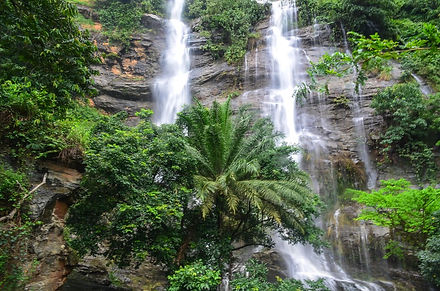
2. Cascade de Womé (Womé Waterfall)
- A beautiful, secluded waterfall hidden deep in the jungle near Kpalimé. After descending a steep set of stairs, visitors can swim in the large, cool natural pool at the base of the falls.
3. Fazao Malfakassa National Park
- The largest national park in Togo, located in the central-western region. It features rugged, forested mountains, spectacular cliffs, and recovering populations of monkeys, antelopes, and birdlife.
Historical and Cultural Sites
1. Koutammakou (The Land of the Batammariba)
- A deeply fascinating UNESCO World Heritage site in the far northeast. The Batammariba people live in extraordinary, fortress-like mud tower houses known as Takienta, which are an iconic symbol of Togo.
2. Monument de l'Indépendance
- A striking, modernist concrete monument located in a beautifully maintained plaza in Lomé, symbolizing Togo's independence from France in 1960.
3. Lomé Grand Marché
- A massive, sprawling, and chaotic open-air market spanning several blocks in the capital. It is historically famous for the "Nana Benz"—powerful Togolese market women who controlled the regional trade of vibrant wax-print fabrics.
Unique Experiences
1. Akodessewa Fetish Market
- Recognized as the largest Voodoo (Vodoun) market in the world, located in Lomé. It is a staggering collection of animal skulls, skins, bones, and charms used by traditional healers and priests to cure ailments or cast spells.
2. Voodoo Ceremonies in Togoville
- Togoville is the historical center of Togolese Voodoo. Visitors can explore shrines, consult with local priests, and, if fortunate, witness highly rhythmic, trance-inducing traditional ceremonies.
3. Artisan Workshops in Kpalimé
- Kpalimé is famous for its craft cooperatives. You can watch master artisans weave intricate macramé, carve complex wooden statues, or produce beautiful batik fabrics, often purchasing directly from the creators.
-
The best way to explore major cities and must-see attractions is by booking guided tours.* They offer convenience, local insights, and often save time when visiting popular sights.

Unique Accomondations/Foodspots
Accommodations
Hôtel 2 Février
Location: Boulevard du 13 Janvier, Lomé
Togo’s premier 5-star landmark hotel towering over the capital's administrative district, offering sleek contemporary rooms and serviced apartments with panoramic views of the Gulf of Guinea, upscale dining, and a large outdoor pool.
Restaurants/Bars
Restaurant Côté Jardin
Location: Quartier Ocam, Lomé
A delightful, serene garden oasis known for its tranquil leafy ambiance, excellent hospitality, and a refined menu blending rich Togolese flavors with international dishes.
Tours to do
1. The Voodoo and Coastline Tour
- A 4-to-5 day itinerary focused on the south. Starts in Lomé (markets and architecture), heads to Lake Togo and Togoville for Voodoo history, and finishes in Ouidah (across the nearby border in Benin) for a complete coastal cultural immersion.
Best Time: December to March
Average Cost: $400 – $600 per person
2. The Togolese Vertical Axis
- A 10-day cross-country overland trip driving from Lomé up through the green hills of Kpalimé, stopping in Sokodé to witness the traditional Fire Dance, and culminating in the Koutammakou UNESCO site in the north.
Best Time: November to February
Average Cost: $800 – $1,300 per person
How to get around
1. Zemidjans (Moto-Taxis)
- The absolute lifeblood of local transport in Lomé and Kpalimé. The riders typically wear identifying colored shirts (yellow in Lomé). Fares must be aggressively negotiated before getting on.
2. Taxi-Brousse (Bush Taxis)
- Shared sedans or minivans used for intercity travel. They depart from massive, chaotic gares routières (bus stations) only when completely full, making schedules nonexistent.
3. VIP Intercity Buses
- Companies like Rakieta or La Poste operate scheduled, air-conditioned bus services between Lomé and northern cities like Kara. They are safe, highly reliable, and relatively cheap.
4. Private 4x4 with Driver
- The most secure and efficient way for tourists to explore the country, especially if venturing off the main north-south highway to visit waterfalls or remote northern villages.
-
You can find great car rental deals for your vacation on Expedia *
Did you know?
Mud Castles – The Batammariba people build fortress-like mud tower-houses called Takyenta that are so unique they are actually recognized as a UNESCO World Heritage site!
What to eat
1. Fufu
- A heavy, dense, and starchy dough made by violently pounding boiled yams, cassava, or plantains in a giant wooden mortar. It is eaten by hand and used to scoop up rich, spicy soups.
2. Djenkoume
- A savory, tomato-infused cornmeal crust or porridge, frequently served as an accompaniment to heavily spiced grilled chicken or guinea fowl.
3. Gboma Dessi
- A rich, deeply flavorful stew made from spinach or bitter greens, cooked with a base of tomatoes, onions, palm oil, and various meats or smoked fish.
4. Grilled Fish with Alloco
- Freshly caught tilapia or red snapper from the coast, marinated in ginger and chili, grilled whole, and served with a mountain of alloco (sweet, deep-fried plantain chunks).
Fufu

Flights
Flight prices are approximate and vary by departure city, airline, and booking time. Check airlines or travel platforms for the latest details.
* Please note: All prices are rough estimates for orientation purposes only and may vary by region.
Main Airport: Lomé–Tokoin International Airport (LFW)
Flight Prices and Seasons:
From Europe
- Average Round-Trip Cost: €500 to €800 (Excellent direct connectivity from Paris via Air France, or via Brussels Airlines).
- Cheapest Months: March and November.
- Peak Prices: July, August, and December.
From North America
- Average Round-Trip Cost: $1,000 to $1,500 (Usually requires a connection in Paris, Brussels, or Addis Ababa).
- Cheapest Months: October and February.
- Peak Prices: June and December.
From Asia
- Average Round-Trip Cost: $1,100 to $1,600 (Typically connected via Addis Ababa on Ethiopian Airlines).
- Cheapest Months: April and September.
- Peak Prices: January and August.
From Australia
- Average Round-Trip Cost: $1,800 to $2,500 (Long-haul routing via the Middle East and East Africa).
- Cheapest Months: May and November.
- Peak Prices: December and January.
From Africa
- Average Round-Trip Cost: $250 to $600 (Unmatched connectivity across the continent due to ASKY Airlines and Ethiopian Airlines using LFW as their primary West African hub).
- Cheapest Months: September and October.
- Peak Prices: July and December.
-
You can find the best flight deals with Skyscanner or plan the whole vacation, including flights, transportation, hotels and tours with Expedia *
Airport Location
Visa
1. Visa Requirement
- An eVisa is mandatory for most Western nationalities, while ECOWAS citizens are exempt. The visa application must be completed online prior to travel.
2. Consular Processing
- Visas are processed entirely digitally through the official Togo Voyage portal (voyage.gouv.tg). No physical embassy visit is required for standard tourist entries.
3. Required Documentation
- A passport valid for at least six months from the entry date, the printed eVisa travel authorization slip, proof of accommodation, and a confirmed return flight ticket.
4. Health Requirements
- A Yellow Fever vaccination certificate is biologically and legally mandatory for border entry. Malaria prophylaxis and standard tropical vaccinations are strongly advised.
5. Travel Insurance
- Comprehensive international travel medical insurance covering medical evacuation is strongly recommended, as advanced medical facilities are strictly limited to Lomé.
Important things to know
1. Payments
- The official currency is the West African CFA Franc (XOF). Cash is mandatory for almost all daily transactions outside of premium international hotels and major supermarkets in Lomé, which may accept standard credit cards.
2. Tap Water
- Municipal tap water is biologically unsafe for foreign consumption. Strict reliance on commercially sealed bottled water is recommended for all drinking and dental hygiene.
3. Electricity
- The standard electrical voltage is 220V with a frequency of 50Hz. Plug type C is the universal standard. Regional power outages are common outside the capital.
4. Tipping
- Tipping is appreciated but not aggressively expected. Leaving 5-10% in Western-style restaurants or rounding up taxi fares is standard practice.
5. SIM Cards
- Local providers like Togocel and Moov offer prepaid SIM cards that can be easily purchased and registered with a passport at the airport or official kiosks.
6. Driving Side
- Vehicles operate on the right side of the road.
Souveniers
1. Batik Tapestries
- Originating heavily from the Kpalimé region, these are beautiful, vividly colored cotton cloths dyed using a traditional wax-resist method, often depicting intricate scenes of village life, wildlife, or tribal patterns.
2. Wood Carvings
- Togolese artisans are renowned for their woodwork, carving everything from massive decorative doors and stylized fertility statues to highly detailed wooden bowls and functional furniture.
3. Voodoo Amulets (Gris-Gris)
- Small leather pouches or carved talismans purchased at fetish markets. Locals believe they offer specific protections, ward off evil spirits, or bring good fortune in business and love.
Wood Carvings

Location
Reviews
You already visited this country? Share your experiences with others! Tell us what’s worth seeing, what to skip, the things you wish you knew before your trip, what surprised you, what do you wish you knew earlier? Leave a review and help others plan smarter. Thanks in advance! :))