


Country Info | Read more

Flags are sourced from free platforms like flagpedia.net
Kenya (Coast)
The warm coast offers miles of bright, white-sand beaches sitting right on the clear Indian Ocean. You can explore historic Swahili towns, eat fresh spiced seafood, or sail on a traditional wooden boat.
* Affiliate links are marked with an asterisk (*). We may earn a commission at no extra cost to you.
Photos without credits are sourced from free platforms like Unsplash and Pexels


Summary
Did you know?
Coral Mosque – Shanga ruins hide ancient coral-stone mosques built centuries ago by early Swahili traders along the tropical coastline.
Overview
Months
January, February, March, July, August, September, October, November, December
Vacation type
Beach, Couple, Family, Safari, Diving/Snorkeling
Expenses
0-50€, <100€, <150€, <200€, Over 200€
Temperature
25-30°C
Rainfall
0-50mm, 50-100mm, 100-150mm
Safety
Medium
Continent
Africa
Currency
Kenyan shilling
Languages
Swahili, English
Currency Converter
When to visit
The best time to visit the Kenyan Coast is during the dry seasons from July to October and December to March. During these months, the weather is consistently sunny and warm, making it perfect for lounging on the white-sand beaches, diving in the marine parks, and sailing on traditional dhows.
The off-peak season is defined by the "long rains" from April to June and the "short rains" in November. While November sees brief, manageable showers, the long rains of April and May bring heavy, persistent coastal downpours. During this time, the ocean becomes rough, water visibility for snorkeling drops significantly, and many smaller boutique hotels or beach restaurants close for maintenance.
-
Plan the whole vacation, including flights, transportation, hotels and tours with Expedia *

Climate Data
Peak Season: July to October & December to March (Dry Seasons)
Average Sunny Hours per Day: 8 to 10 hours.
Rain Frequency: 3 to 6 days per month.
Rainy Hours per Day: 0 to 1 hour.
Intensity: Light, occasional passing showers.
Duration: The skies are largely clear and bright. A strong, refreshing ocean breeze (the Kaskazi from December to March, and the Kusi from June to September) keeps the tropical heat comfortable.
Off-Peak Season: April to June & November (Long and Short Rains)
Average Sunny Hours per Day: 4 to 6 hours.
Rain Frequency: 14 to 20 days per month (April/May).
Rainy Hours per Day: 2 to 4 hours.
Intensity: Heavy, torrential tropical downpours.
Duration: Showers can last for several hours in the morning or afternoon. The humidity is intensely high, and the ocean often washes seaweed onto the shore.
Climate Chart

Data Source: Global Historical Climatology Network
ClimateCharts.net
Weather, Crowds and Costs
Per one person
Tourist Season: July-October & December-March
Budget Vacation ($35-65/day)
Accommodation: $15-25/night (backpacker hostels in Diani or Watamu, basic local guesthouses in Mombasa).
Food: $10-15/day (street-side Swahili dishes, fresh coconuts, local eateries).
Activities: $5-10/day (public beach access, exploring Fort Jesus, wandering Lamu Old Town).
Transportation: $3-8/day (local matatus [minibuses], tuk-tuks, motorbike taxis [boda-bodas]).
Other Costs: $2/day (bottled water, snacks).
Mid-Range Vacation ($90-200/day)
Accommodation: $50-120/night (comfortable beachfront boutique hotels, eco-lodges, air-conditioned rooms).
Food: $25-45/day (seafood restaurants, beach bars, hotel dinners).
Activities: $25-50/day (glass-bottom boat tours, guided marine park snorkeling, sunset dhow cruises).
Transportation: $15-30/day (Uber/Bolt in Mombasa, scheduled domestic flights, SGR train tickets).
Other Costs: $5/day (tips, fresh fruit, coffee).
Luxury Vacation ($350-700+/day)
Accommodation: $200-500+/night (exclusive beachfront villas in Diani, luxury boutique resorts on Lamu Island, private beach properties).
Food: $70-150/day (fine dining seafood, private chefs in villas, imported wines).
Activities: $90-200+/day (private deep-sea fishing charters, exclusive scuba diving trips, private dhow sailing).
Transportation: $60-120/day (private airport transfers, scheduled domestic bush flights via SafariLink).
Other Costs: $25+/day (spa treatments, artisan boutique shopping).
Off-Peak Season: April-June & November
Budget Vacation ($25-45/day)
Accommodation: $10-18/night (discounted hostel beds, basic coastal rooms).
Food: $8-12/day (local markets, covered eateries).
Activities: $3-8/day (indoor museums, walking coastal towns between rain showers).
Transportation: $3-6/day (tuk-tuks and matatus).
Other Costs: $2/day (umbrella, hot spiced tea).
Mid-Range Vacation ($70-140/day)
Accommodation: $40-80/night (upgraded boutique rooms at off-season rates).
Food: $20-35/day (indoor hotel dining, casual local restaurants).
Activities: $15-30/day (cooking classes, cultural tours).
Transportation: $12-25/day (ride-hailing apps, comfortable taxis).
Other Costs: $5/day (rain gear, museum tips).
Luxury Vacation ($250-450+/day)
Accommodation: $150-300+/night (luxury resorts offering heavy rainy-season promotions).
Food: $50-100/day (high-end hotel restaurants).
Activities: $60-120/day (private indoor cultural guides, luxury spa wellness).
Transportation: $40-80/day (air-conditioned private SUV transfers).
Other Costs: $15/day (high-end Swahili crafts).
-
You can find accomendations that fit your trip and budget on Booking.com, Vrbo and Hotels.com


Best Regions to visit
Cities
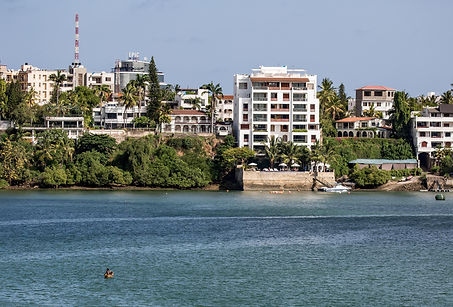
1. Mombasa
- Kenya's second-largest city and the primary coastal hub. It is a bustling, chaotic island city connected to the mainland by bridges and ferries, rich in history and trading heritage.
2. Diani Beach
- Located south of Mombasa, this is Kenya's most famous beach strip, renowned for its flawless white sand, turquoise water, and high-end beachfront resorts.
3. Watamu
- A relaxed, environmentally conscious coastal village north of Mombasa, famous for its marine national park, kite surfing, and deep-sea fishing.
4. Malindi
- A larger town north of Watamu with a strong Italian expat presence, offering a mix of historic Swahili ruins and modern beach resorts.
5. Kilifi
- A bohemian, laid-back town set on a stunning tidal creek, highly popular with backpackers, sailors, and artists.
Mombasa
Did you know?
Swahili Dhows – Lamu Island relies entirely on traditional wooden sailing boats called dhows, with zero cars allowed on the narrow streets.
Islands
1. Lamu Island
- A UNESCO World Heritage site and a step back in time. The old town features narrow alleys with no cars, where locals rely exclusively on donkeys and dhow boats for transport.
2. Wasini Island
- A tiny, rustic island in the far south near the Tanzanian border, famous for serving as the launching point for dolphin-watching and snorkeling in the Kisite-Mpunguti Marine Park.
3. Chale Island
- A private, secluded island located just off the coast of Diani, largely covered by a luxury eco-resort and dense mangrove forests.
-
Find the perfect place to stay in any of these top cities and islands with Booking.com, Hotels.com and Vrbo – offering entire homes and apartments for a comfortable and private experience.

Things to see
Natural Attractions
1. Watamu Marine National Park
- One of the oldest marine parks in East Africa, protecting vibrant coral gardens, green sea turtles, and massive schools of tropical fish.
2. Arabuko Sokoke Forest
- The largest remaining stretch of coastal dry forest in East Africa, located near Watamu, hiding rare endemic species like the golden-rumped elephant shrew.
3. Shimba Hills National Reserve
- A coastal rainforest reserve located just inland from Diani Beach, known for its population of rare sable antelopes, forest elephants, and the Sheldrick Falls.
Historical and Cultural Sites
1. Fort Jesus (Mombasa)
- A massive stone fortress built by the Portuguese in 1593 to control the Indian Ocean trade route, featuring high battlements and a turbulent history of sieges.
2. Gede Ruins
- The haunting, jungle-covered stone remains of a wealthy 12th-century Swahili trading town near Watamu that was mysteriously abandoned centuries ago.
3. Lamu Old Town
- The oldest and best-preserved Swahili settlement in East Africa, celebrated for its intricately carved wooden doors and coral-stone courtyard houses.
Unique Experiences
1. Sailing a Traditional Dhow
- Cruising the calm coastal creeks at sunset on a wooden Swahili dhow, powered entirely by a large triangular lateen sail.
2. Swimming with Whale Sharks
- Heading out from Diani Beach between February and March to snorkel alongside massive, gentle whale sharks as they migrate through the warm coastal waters.
3. Riding the Madaraka Express
- Taking the modern Standard Gauge Railway (SGR) from Nairobi, sweeping directly through Tsavo National Park where you can often spot elephants from the train window before arriving in Mombasa.
-
The best way to explore major cities and must-see attractions is by booking guided tours.* They offer convenience, local insights, and often save time when visiting popular sights.

Unique Accomondations/Foodspots
Accommodations
Alfajiri Villa
Location: Diani Beach, Kenya Coast
An ultra-exclusive, deeply private cliffside sanctuary overlooking the pristine white sands and turquoise waters of the Indian Ocean, featuring striking African-chic design, open-air living spaces, and a private infinity pool.
Restaurants / Bars
Ali Barbour's Cave Restaurant
Location: Diani Beach, Kenya Coast
A mesmerizing, unique fine-dining restaurant set inside a naturally sculpted coral cave open to the starry night sky, celebrated for serving fresh coastal seafood and prime cuts aged to perfection.
Tours to do
1. The Coastal Swahili Trail
- Fly into Lamu for three days of car-free, ancient Swahili culture, take a domestic flight down to Malindi to explore the Gede Ruins, and finish with snorkeling and beach relaxation in Watamu.
Best Time: January to March.
Average Cost: $450 – $900 per person.
2. The Southern Marine Safari
- Arrive in Mombasa to explore Fort Jesus, head south across the Likoni Ferry to Diani Beach for kite surfing, and take a full-day boat excursion to Wasini Island for dolphin spotting and a fresh crab lunch.
Best Time: July to October.
Average Cost: $400 – $800 per person.

How to get around
1. SGR Train
- The Madaraka Express passenger train connects Nairobi to Mombasa in about 5 to 6 hours. It is comfortable, incredibly scenic, and highly reliable, but tickets must be booked online well in advance.
2. Domestic Flights
- Small domestic airlines like Jambojet and SafariLink connect Nairobi directly to coastal airstrips like Mombasa (MBA), Malindi (MYD), Ukunda/Diani (UKA), and Lamu (LAU), bypassing long drives.
3. Tuk-Tuks & Boda-Bodas
- The most common way to get around beach towns like Diani and Watamu. Always negotiate the fare before getting in or hopping on the back of the motorcycle.
4. Ride-Hailing Apps
- Uber and Bolt operate reliably within the city limits of Mombasa, providing safe and metered transport.
-
You can find great car rental deals for your vacation on Expedia *
Did you know?
Underground Caves – Shimoni caves near the ocean were historically used as holding pens for the slave trade before ships arrived.
What to eat
1. Ugali
- A staple made from maize flour, cooked to a dense dough, typically served with meat or vegetable stews.
2. Samaki wa Kupaka
- A quintessential Swahili coastal dish. Freshly caught fish is grilled over an open charcoal fire and coated in a thick, rich, smoky sauce made from coconut milk, tamarind, and aromatic spices.
3. Biryani & Pilau
- A legacy of centuries of Indian Ocean trade. Highly spiced, fragrant rice dishes cooked with beef, goat, or chicken. Pilau is cooked in a single pot with the meat and spices, while Biryani serves the spiced meat sauce separately over colored rice.
4. Mahamri & Mbaazi
- The ultimate coastal breakfast. Sweet, hollow, cardamom-spiced fried dough triangles (mahamri) served alongside pigeon peas (mbaazi) that have been simmered in a creamy coconut sauce.
5. Mishkaki
- A popular evening street food. Small chunks of beef or goat are marinated in spices, skewered, and grilled over hot coals, often served with a side of lime and fiery chili sauce.
Ugali

Flights
Flight prices are approximate and vary by departure city, airline, and booking time. Check airlines or travel platforms for the latest details.
* Please note: All prices are rough estimates for orientation purposes only and may vary by region.
Main Airport: Moi International Airport (MBA) in Mombasa
Flight Prices and Seasons
From Europe:
- Average Round-Trip Cost: $600 to $1,000 (Direct seasonal flights to MBA from Frankfurt via Lufthansa/Discover Airlines or Condor, or daily connections via Nairobi).
- Cheapest Months: November and March.
- Peak Prices: July, August, and late December.
From North America:
- Average Round-Trip Cost: $900 to $1,500 (Requires connecting flights through European hubs, the Middle East, or a direct flight to Nairobi followed by a short domestic hop to Mombasa).
- Cheapest Months: February and October.
- Peak Prices: December, January, and July.
From Asia:
- Average Round-Trip Cost: $800 to $1,300 (Connecting through Middle Eastern hubs like Dubai or Doha, or via Addis Ababa).
- Cheapest Months: May and October.
- Peak Prices: Lunar New Year and August.
From Australia (Domestic/Oceania):
- Average Round-Trip Cost: $1,300 to $2,200 (Long journeys requiring connections via the Middle East or major Asian hubs).
- Cheapest Months: May and November.
- Peak Prices: December and January.
From Africa:
- Average Round-Trip Cost: $300 to $700 (Frequent connections via Nairobi, Kigali, or Addis Ababa).
- Cheapest Months: February and October.
- Peak Prices: December and August.
-
You can find the best flight deals with Skyscanner or plan the whole vacation, including flights, transportation, hotels and tours with Expedia *
Airport Location
Visa
1. Visa Requirement
- Most travelers, including citizens of the U.S., Canada, the U.K., and Australia, need a visa to enter Kenya.
2. e-Visa
- Travelers can apply for an e-Visa online, which is convenient and usually processed within a few days. It allows stays of up to 90 days.
3. Visa on Arrival
- Some travelers can obtain a visa on arrival, but it’s advisable to apply for an e-Visa in advance to avoid potential issues.
4. Visa Application
- For long stays or specific purposes (e.g., work or study), travelers must apply for a visa at a Kenyan embassy or consulate.
5. Types of Visa
- Common visa types include:
- Tourist Visa: Generally valid for stays of up to 90 days.
- Business Visa: Issued for business purposes, with similar validity.
6. Processing Time
- e-Visa processing typically takes 3 business days, while regular visa processing can take longer.
7. Duration of Stay
- e-Visa holders can stay for up to 90 days; visa holders can stay for the duration specified in their visa.
8. Health Requirements
- A Yellow Fever vaccination is required if arriving from a Yellow Fever risk country. Travel insurance is also recommended.
Important things to know
1. Payments
- The local currency is the Kenyan Shilling (KES). Credit cards are accepted in urban areas.
2. Tap Water
- Tap water is generally not safe to drink. Bottled water is recommended.
3. Electricity
- The voltage is 240V, and plug types G (three rectangular pins) are used. An adapter may be needed for devices from other regions.
4. Tipping in Restaurants
- Tipping is customary, typically around 10% for good service.
5. SIM Cards
- Local SIM cards are available from providers like Safaricom and Airtel. They can be purchased at stores.
6. Driving Side
- In Kenya, people drive on the left side of the road.
Souveniers
1. Kangas and Kikoys
- Brightly colored, traditional woven cotton cloths. Kangas are typically worn by women and feature a printed Swahili proverb along the bottom hem, while kikoys are striped, fringed wraps traditionally worn by men.
2. Swahili Carved Doors
- Lamu and Mombasa are famous for master woodcarvers who craft massive, heavy wooden doors covered in intricate geometric patterns, lotus flowers, and Arabic calligraphy.
3. Soapstone Carvings
- While originally carved by the Gusii people in western Kenya, smooth, hand-painted soapstone bowls and animal figurines are widely traded and sold in coastal artisan markets.
Kangas

Location
Reviews
You already visited this country? Share your experiences with others! Tell us what’s worth seeing, what to skip, the things you wish you knew before your trip, what surprised you, what do you wish you knew earlier? Leave a review and help others plan smarter. Thanks in advance! :))