


Country Info | Read more

Flags are sourced from free platforms like flagpedia.net
Guinea-Bissau
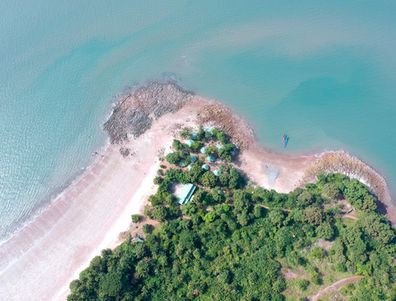
Uncover Guinea-Bissau, a vibrant mix of crumbling colonial charm and untouched archipelagos. Island-hop through the Bijagós, witness sacred tribal traditions, and find serenity in a hidden coastal paradise.
* Affiliate links are marked with an asterisk (*). We may earn a commission at no extra cost to you.
Photos without credits are sourced from free platforms like Unsplash and Pexels




Summary
Did you know?
Cashew Kingdom – The country is so completely dependent on raw cashew nut exports that they are practically used as currency in rural areas.
Overview
Months
April, December, February, January, March, May, November
Vacation type
Safari, Beach
Expenses
0-50€, <100€, <150€, <200€, Over 200€
Temperature
25-30°C, Over 30°C
Rainfall
0-50mm
Safety
Dangerous
Continent
Africa
Currency
West African CFA franc
Languages
Portuguese
Currency Converter
When to visit
The optimal periods for travel to Guinea-Bissau are the dry season months (November to April). Weather during this timeframe is characterized by reliably clear skies, moderate humidity, and warm daytime temperatures. These conditions support terrestrial navigation on unpaved infrastructure, optimize marine access to the Bijagós Archipelago, and facilitate wildlife observation in the coastal and island national parks.
This period corresponds with the highest accessibility to remote island reserves and operational stability for domestic ferry transits. Accommodation and private transport costs remain high due to scarce tourism infrastructure, limited supply, and high reliance on imported goods, though overall tourist volume remains extremely low globally.
The wet season (June to October) brings intense tropical heat, high humidity, and heavy, sustained monsoon precipitation. This period severely compromises overland transit, causing significant mud accumulation and rendering vast stretches of the unpaved road network completely impassable. Access to the island archipelagos becomes logistically prohibitive and maritime transit dangerous due to intense squalls, functionally shutting down the limited tourism sector.
-
Plan the whole vacation, including flights, transportation, hotels and tours with Expedia *

Climate Data
Peak Season (November to April)
Average Sunny Hours per Day: 8 to 10 hours.
Rain Frequency: Precipitation is exceedingly rare.
Rainy Hours per Day: Less than 1 hour, if any.
Intensity: Rain events are highly unlikely anomalies.
Duration: Dry, sunny conditions persist uninterrupted.
Off-Peak Season (June to October)
Average Sunny Hours per Day: 4 to 6 hours.
Rain Frequency: Frequent, occurring almost daily during the peak of July and August.
Rainy Hours per Day: 3 to 6 hours.
Intensity: Rain is intense, causing widespread flooding and washing out unpaved routes.
Duration: Storm systems can last from several hours to multiple days.
Climate Chart
_edited_edited_edited_e.jpg)
Data Source: CRU Time Series v4.07
https://catalogue.ceda.ac.uk/uuid/5fda109ab71947b6b7724077bf7eb753
ClimateCharts.net
Weather, Crowds and Costs
Per one person
Tourist Season: November-April
1. Budget Travel ($40-80/day)
Accommodation: $20-40/night (basic guesthouses in Bissau, simple island camps).
Food: $10-15/day (local markets, informal street stalls).
Activities: $5-15/day (public beach access, local museum entry).
Transportation: $5-10/day (shared minibuses/toca-tocas, urban shared taxis).
Other Costs: $2-5/day (bottled water, incidental expenses).
2. Mid-Range Travel ($120-220/day)
Accommodation: $70-120/night (standard secure hotels in the capital, basic eco-lodges on the islands).
Food: $20-50/day (mid-range restaurants, hotel dining).
Activities: $20-60/day (guided municipal tours, standard island boat trips).
Transportation: $20-40/day (private urban taxis).
Other Costs: $10-20/day (local goods).
3. Luxury / Expedition Travel ($300+/day)
Accommodation: $150+/night (premium eco-resorts in the Bijagós Archipelago).
Food: $60+/day (upscale resort dining).
Activities: $100+/day (private specialized wildlife permits, chartered island excursions).
Transportation: $150+/day (private 4x4 vehicle with driver, chartered speedboats).
Other Costs: $20+/day (premium goods).
Off-Peak Season: June-October
1. Budget Travel ($35-65/day)
Accommodation: $15-30/night (basic lodgings, if operational).
Food: $10-15/day (local markets).
Activities: $5-10/day (indoor sites).
Transportation: $5-10/day (shared transit).
Other Costs: $2-5/day (incidentals).
2. Mid-Range Travel ($100-180/day)
Accommodation: $60-100/night (standard hotels in Bissau).
Food: $20-40/day (standard restaurants).
Activities: $10-30/day (accessible guided tours).
Transportation: $15-30/day (taxis).
Other Costs: $5-10/day (goods).
3. Luxury / Expedition Travel ($250+/day)
Accommodation: $120+/night (premium hotels in Bissau; island resorts often closed).
Food: $50+/day (premium dining).
Activities: $60+/day (private guided logistics).
Transportation: $100+/day (private secure transit).
Other Costs: $15+/day (premium goods).
-
You can find accomendations that fit your trip and budget on Booking.com, Vrbo and Hotels.com


Best Regions to visit
Cities
1. Bissau
- The capital and primary urban center, situated on the Geba River estuary. It serves as the sole international point of entry, featuring deteriorating Portuguese colonial architecture in the Bissau Velho district.
2. Bafatá
- The second-largest city, located in the central region along the Geba River. It serves as a historical colonial trade hub and the birthplace of independence leader Amílcar Cabral.
3. Cacheu
- A historic town situated on the Cacheu River in the northwest. It was one of the earliest European colonial settlements in sub-Saharan Africa and a prominent center of the transatlantic slave trade.
4. Gabú
- The largest town in the eastern interior region. It functions as a major commercial and agricultural center heavily influenced by trade with neighboring Senegal and Guinea.

Did you know?
Archipelago Magic – The stunning Bijagós Archipelago consists of 88 islands, but only about 20 of them are actually inhabited year-round.
Islands
1. Bubaque
- The administrative center and most accessible island of the Bijagós Archipelago. It serves as the primary logistical base for tourism, featuring the archipelago's only paved road and a regular ferry connection to Bissau.
2. Orango
- A large island within the Orango National Park. It is globally recognized for its unique population of saltwater-adapted hippopotamuses and traditional matriarchal society.
3. Bolama
- The former capital of Portuguese Guinea, located on the island closest to the mainland. It is characterized by grand, decaying neoclassical colonial ruins slowly being reclaimed by tropical vegetation.
4. João Vieira and Poilão
- A remote group of islands forming a protected marine national park. Poilão is an uninhabited, sacred island that serves as one of the most critical nesting sites for green sea turtles in the Atlantic.
-
Find the perfect place to stay in any of these top cities and islands with Booking.com, Hotels.com and Vrbo – offering entire homes and apartments for a comfortable and private experience.

Things to see
Natural Attractions
1. Orango National Park
- A protected ecological zone covering several islands in the Bijagós Archipelago, harboring diverse marine life, migratory birds, and the rare saltwater hippopotamuses.
2. João Vieira and Poilão Marine National Park
- A strictly protected sanctuary in the southern archipelago. It functions as a critical global breeding ground for endangered sea turtles.
3. Cantanhez Forest National Park
- A dense, primary rainforest zone located in the extreme south near the Guinea border. It provides critical habitat for significant populations of western chimpanzees and forest elephants.
4. Cacheu River Mangroves Natural Park
- A massive estuarine reserve in the northwest protecting the largest contiguous mangrove block in West Africa, harboring exceptional avian diversity and West African manatees.
Historical and Cultural Sites
1. Bissau Velho
- The historic colonial core of the capital city. It features colorful, Mediterranean-style Portuguese architecture, much of which remains in a state of atmospheric decay following the civil war.
2. Fortaleza de São José da Amura
- A historic 18th-century Portuguese stone fortress located in Bissau. It currently functions as the military headquarters and contains the mausoleum of Amílcar Cabral.
3. Cacheu Slave Memorial
- A localized historical site and museum dedicated to documenting the town's prominent role in the early transatlantic slave trade.
Unique Experiences
1. Tracking Saltwater Hippos
- Utilizing local guides on Orango Island to carefully track and observe hippopotamuses as they traverse between freshwater lagoons and the open ocean.
2. Witnessing the Bissau Carnival
- Participating in the massive, vibrant annual festival (typically in February) characterized by intense drumming, complex traditional masks, and massive parades reflecting diverse ethnic groups.
3. Observing Sea Turtle Nesting
- Conducting highly regulated, nocturnal beach patrols on Poilão Island between August and November to witness thousands of green sea turtles laying eggs.
4. Navigating the Bijagós Labyrinth
- Chartering specialized speedboats to transit between the remote, pristine islands of the archipelago, observing isolated traditional fishing communities and untouched beaches.
-
The best way to explore major cities and must-see attractions is by booking guided tours.* They offer convenience, local insights, and often save time when visiting popular sights.

Unique Accomondations/Foodspots
Accommodations
Ponta Anchaca
Location: Rubane Island (Bijagós Archipelago)
A stunning eco-resort featuring individual beachfront bungalows nestled in a lush tropical paradise where sea turtles and dolphins frequently visit.
Restaurants/Bars
Coqueiros Bissau
Location: Bissau
A popular open-air restaurant and social hub in the capital, serving a blend of fresh seafood, local specialties, and cold drinks under shaded trees.
Tours to do
1. Bijagós Archipelago Marine Safari
- A complex maritime operation utilizing chartered boats from Bissau to Bubaque and Orango, focusing strictly on hippo observation and island culture.
Best Time: November to February
Average Cost: $1,000 – $2,000+ per person (excluding international flights)
2. Cantanhez Chimpanzee Trek
- A demanding terrestrial expedition requiring rugged 4x4 transit to the deep south, utilizing local trackers to locate wild chimpanzee troops in the primary rainforest.
Best Time: December to April
Average Cost: $600 – $1,200 per person
3. Bolama Colonial Ruins Survey
- A localized transit operation crossing from Bissau to Bolama to inspect the sprawling, jungle-reclaimed architecture of the former Portuguese capital.
Best Time: November to May
Average Cost: $100 – $250 per person

How to get around
1. Private 4x4 Vehicles
- Procuring a reinforced four-wheel-drive vehicle with an experienced local driver is strictly mandatory for overland transit outside the capital, as the road network is severely degraded.
2. Speedboats and Ferries
- Navigating to the Bijagós Archipelago relies on the slow, scheduled public ferry (often unreliable) to Bubaque, or expensive, privately chartered speedboats necessary for inter-island transit.
3. Shared Minibuses (Toca-tocas)
- Highly affordable but extremely crowded transit options utilized for urban and intercity travel on the mainland. They operate without schedules and prioritize maximum capacity.
4. Urban Taxis
- Standard passenger vehicles operate within Bissau. Blue and white shared taxis run on fixed routes, while exclusive use ("clandestinos") requires explicit advance negotiation.
-
You can find great car rental deals for your vacation on Expedia *
Did you know?
Sacred Hippos – The local people consider the rare, saltwater-swimming hippopotamuses of the Bijagós islands to be sacred and highly protected.
What to eat
1. Caldo de Mancarra
- The most prominent national dish. A heavy, savory stew constructed from a rich peanut paste base, typically incorporating chicken or fish, and served universally over white rice.
2. Cafriela
- A traditional preparation of grilled or roasted chicken that has been heavily marinated in lemon juice, garlic, onions, and local chili peppers.
3. Ostras (Oysters)
- Wild-harvested oysters collected from the extensive mangrove roots during low tide, typically roasted over open fires and consumed fresh by coastal communities.
4. Jollof Rice (Arroz de Jogo)
- A localized variant of the classic West African one-pot dish, featuring rice slowly cooked in a heavily spiced tomato broth, often accompanied by fresh river or ocean fish.

Flights
Flight prices are approximate and vary by departure city, airline, and booking time. Check airlines or travel platforms for the latest details.
* Please note: All prices are rough estimates for orientation purposes only and may vary by region.
Main Airport: Osvaldo Vieira International Airport (OXB)
Flight Prices and Seasons:
From Europe
- Average Round-Trip Cost: €600 to €1,100 (often routed via Lisbon, Portugal).
- Cheapest Months: February and March.
- Peak Prices: July, August, and December.
From North America
- Average Round-Trip Cost: $1,200 to $2,200.
- Cheapest Months: October and November.
- Peak Prices: June to August and December.
From Asia
- Average Round-Trip Cost: $1,400 to $2,500.
- Cheapest Months: March and May.
- Peak Prices: December and January.
From Australia
- Average Round-Trip Cost: $2,000 to $3,500.
- Cheapest Months: May and November.
- Peak Prices: December and January.
From Africa
- Average Round-Trip Cost: $300 to $700 (often via transit hubs in Senegal or Morocco).
- Cheapest Months: September and October.
- Peak Prices: August and December.
-
You can find the best flight deals with Skyscanner or plan the whole vacation, including flights, transportation, hotels and tours with Expedia *
Airport Location
Visa
1. Visa Requirement
- A valid visa is strictly mandated for most foreign nationals prior to arrival. Citizens of ECOWAS member states are exempt.
2. Consular Processing
- Electronic visas (e-Visas) are available and highly recommended, though processing can also be completed at a Guinea-Bissau embassy or consulate prior to travel.
3. Required Documentation
- Applications necessitate a passport valid for six months beyond the intended stay, a confirmed return flight, and an official letter of invitation or hotel reservation.
4. Health Requirements
- A Yellow Fever vaccination certificate is strictly mandatory for entry and is heavily inspected. Comprehensive malaria prophylaxis is highly advised due to year-round transmission risks.
5. Travel Insurance
- Procuring comprehensive medical evacuation insurance is considered an absolute operational necessity due to the extreme lack of advanced medical infrastructure nationwide.
Important things to know
1. Payments
- The official currency is the West African CFA franc (XOF). The economy functions entirely on a cash basis. Credit cards are virtually useless outside of one or two premier hotels in the capital, and ATMs are scarce, frequently empty, or prone to network failures.
2. Tap Water
- Municipal tap water is not biologically safe for consumption. Strict reliance on commercially sealed bottled water or heavy purification systems is required.
3. Electricity
- The standard voltage is 220V. Plug type C (two round pins) is standard. The national power grid is highly unstable, and reliance on private generators is standard protocol in all hotels and resorts.
4. Tipping
- Tipping is not a formal social requirement but is expected by guides, drivers, and service staff interacting with foreign visitors. Small cash increments are standard.
5. SIM Cards
- Telecommunication providers (e.g., Orange, MTN) supply local SIM cards in Bissau. Connectivity is functional in the capital but degrades rapidly or disappears entirely in the deep interior or the remote Bijagós islands.
6. Driving Side
- Vehicles operate on the right side of the road.
Souveniers
1. Bijagós Wooden Masks
- Highly complex, stylized wooden masks crafted by the islanders, traditionally depicting powerful animals like sharks, bulls, or swordfish, utilized in secretive initiation ceremonies.
2. Woven Panos
- Traditional, narrow-strip woven textiles created on manual looms, featuring intricate geometric patterns and historically utilized as a form of currency and social status.
3. Cashew Wine
- A highly localized, potent alcoholic beverage fermented rapidly from the fleshy cashew apple (the fruit attached to the nut), heavily consumed in rural areas during the harvest season.
Bijagós

Location
Reviews
You already visited this country? Share your experiences with others! Tell us what’s worth seeing, what to skip, the things you wish you knew before your trip, what surprised you, what do you wish you knew earlier? Leave a review and help others plan smarter. Thanks in advance! :))