


Country Info | Read more

Flags are sourced from free platforms like flagpedia.net
Eritrea
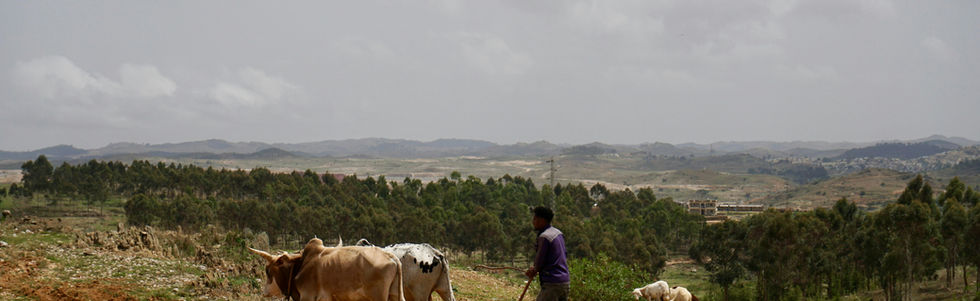
Travel to Eritrea, a captivating blend of Art Deco architecture and Red Sea allure. Stroll through Asmara's time-capsule streets, dive into vibrant coral reefs, and experience a fiercely unique heritage.
* Affiliate links are marked with an asterisk (*). We may earn a commission at no extra cost to you.
Photos without credits are sourced from free platforms like Unsplash and Pexels


Summary
Neighboring Countries
Did you know?
Africa’s Miami – The capital city, Asmara, is a UNESCO site packed with perfectly preserved 1930s Italian Art Deco architecture.
Overview
Months
April, December, February, January, March, May, November, October, September
Vacation type
Beach, Mountains, Safari
Expenses
0-50€, <100€, <150€, <200€, Over 200€
Temperature
25-30°C, Over 30°C
Rainfall
0-50mm
Safety
Very dangerous
Continent
Africa
Currency
Eritrean Nakfa
Languages
Tigrinya, Tigre, Arabic
Currency Converter
When to visit
The optimal periods for travel to Eritrea are the dry, cooler season months (November to March). Weather during this timeframe is characterized by moderate temperatures in the central highlands and tolerable conditions along the extreme Red Sea coast. These conditions support terrestrial navigation through the mountainous interior, optimize marine observation in the Dahlak Archipelago, and facilitate regional transit on the steep escarpment highways. This period corresponds with the highest accessibility to remote archaeological sites and operational stability for coastal excursions from Massawa. Accommodation and private transport costs remain consistently elevated due to limited tourism infrastructure, a strict state-controlled economy, and logistical constraints.
The hot and rainy season (June to September) brings intense, oppressive heat to the coastal plains and heavy, localized precipitation to the Asmara highlands. This period compromises overland transit on unpaved interior routes, causing mud accumulation and localized flooding. Access to the southern Danakil Depression becomes logistically prohibitive and medically unadvisable due to extreme thermal conditions, though highland cities remain cool and functional.
-
Plan the whole vacation, including flights, transportation, hotels and tours with Expedia *

Climate Data
Peak Season (November to March)
Average Sunny Hours per Day: 8 to 10 hours.
Rain Frequency: Precipitation is minimal across the country.
Rainy Hours per Day: Less than 1 hour.
Intensity: Rain events are highly localized and brief.
Duration: Showers typically evaporate rapidly, causing no disruption.
Off-Peak Season (June to September)
Average Sunny Hours per Day: 5 to 7 hours.
Rain Frequency: Frequent heavy showers in the highlands; the coast remains mostly dry but extremely humid.
Rainy Hours per Day: 2 to 4 hours (primarily in the highlands).
Intensity: Rain is intense and can cause minor landslides on steep mountain passes.
Duration: Storm systems generally last for a few hours in the late afternoon.
Climate Chart
_edited_edited_edited_e.jpg)
Data Source: CRU Time Series v4.07
https://catalogue.ceda.ac.uk/uuid/5fda109ab71947b6b7724077bf7eb753
ClimateCharts.net
Weather, Crowds and Costs
Per one person
Tourist Season: November-March
Budget Travel ($70-120/day)
Accommodation: $40-70/night (basic guesthouses or older mid-century hotels in Asmara).
Food: $10-20/day (local eateries serving traditional flatbreads and stews).
Activities: $5-10/day (walking tours, public market access).
Transportation: $5-10/day (shared yellow urban taxis, public buses).
Other Costs: $5-10/day (bottled water, espresso, incidentals).
Mid-Range Travel ($180-300/day)
Accommodation: $100-180/night (standard secure hotels with reliable amenities).
Food: $30-60/day (mid-range restaurants featuring Italian or traditional cuisine).
Activities: $30-70/day (guided municipal tours, national museum entry).
Transportation: $20-40/day (private contracted taxis).
Other Costs: $10-20/day (local goods, coffee).
Luxury Travel ($500+/day)
Accommodation: $250+/night (premium international hotels in Asmara).
Food: $80+/day (upscale international dining).
Activities: $150+/day (private archaeological guides, specialized marine charters).
Transportation: $200+/day (private 4x4 vehicle with a government-approved driver).
Other Costs: $30+/day (premium goods, expedition permits).
Off-Peak Season: June-September
Budget Travel ($60-100/day)
Accommodation: $35-60/night (basic lodgings).
Food: $10-15/day (local markets).
Activities: $5-10/day (indoor municipal sites).
Transportation: $5-10/day (shared transit).
Other Costs: $5-8/day (incidentals).
Mid-Range Travel ($150-250/day)
Accommodation: $80-150/night (standard hotels).
Food: $25-50/day (standard restaurants).
Activities: $20-50/day (accessible guided tours).
Transportation: $20-35/day (taxis).
Other Costs: $10-15/day (goods).
Luxury Travel ($400+/day)
Accommodation: $200+/night (premium hotels).
Food: $60+/day (premium dining).
Activities: $100+/day (private guided logistics).
Transportation: $180+/day (private secure transit).
Other Costs: $20+/day (premium goods).
-
You can find accomendations that fit your trip and budget on Booking.com, Vrbo and Hotels.com


Best Regions to visit
Cities
1. Asmara
- The capital city, situated at an elevation of 2,300 meters in the central highlands. It serves as the primary international entry point and is globally recognized for its remarkably preserved Italian modernist and Art Deco architecture.
2. Massawa
- The primary coastal port city on the Red Sea. Characterized by Ottoman and Turko-Egyptian coral-stone architecture, it functions as the logistical gateway for marine expeditions into the Dahlak Archipelago.
3. Keren
- The second-largest city, located in a valley northwest of the capital. It serves as a major agricultural and cultural hub, historically significant for major World War II battles and its traditional livestock markets.
4. Mendefera
- A prominent highland town south of Asmara, historically significant as an ancient trade route settlement and characterized by its dominant, colorful Orthodox church.

Did you know?
No Official Language – Despite having a diverse population, the country actually has absolutely no official language recognized by law.
Islands
1. Dahlak Kebir
- The largest island in the Dahlak Archipelago, situated in the Red Sea. It features ancient necropolises, cisterns, and functions as a base for marine research and specialized diving operations.
2. Dissei Island
- A mountainous, volcanic island within the archipelago favored by maritime expeditions for its pristine anchorages, clear waters, and seasonal nomadic Afar fishing camps.
3. Green Island (Isola Verde)
- A small, highly accessible island located just a short boat ride from the port of Massawa, utilized frequently for day-trip snorkeling and beach access.
-
Find the perfect place to stay in any of these top cities and islands with Booking.com, Hotels.com and Vrbo – offering entire homes and apartments for a comfortable and private experience.

Things to see
Natural Attractions
1. Danakil Depression
- A massive geological rift extending into southern Eritrea, representing one of the lowest and hottest places on Earth, characterized by barren volcanic plains and intense geothermal activity.
2. Filfil Solomuna (The Green Belt)
- A lush, mountainous escarpment region containing the country's last remaining subtropical rainforest. It serves as a critical habitat for diverse birdlife and troops of baboons.
3. Dahlak Marine National Park
- A protected marine zone encompassing parts of the Red Sea archipelago, harboring untouched coral reef systems, diverse pelagic fish, and significant populations of sea turtles.
Historical and Cultural Sites
1. Fiat Tagliero Building
- An iconic, futuristic service station in Asmara designed in 1938 to resemble an airplane, standing as the supreme example of the capital's UNESCO-recognized modernist architecture.
2. Qohaito Ruins
- An ancient archaeological site located on a high plateau in the south, featuring the remains of Aksumite temples, massive stone pillars, and the pre-Christian Safra's Dam.
3. Ancient Port of Adulis
- An ongoing archaeological excavation site near the coast, revealing the foundations of a powerful ancient maritime hub that controlled Red Sea trade between the Roman Empire and India.
Unique Experiences
1. Riding the Eritrean Steam Railway
- Chartering a ride on the painstakingly restored colonial-era railway system, utilizing vintage 1930s Mallet steam locomotives to traverse the dramatic mountain passes between Asmara and Massawa.
2. Attending a Traditional Coffee Ceremony
- Participating in a slow, highly ritualized communal event where raw coffee beans are roasted over hot coals, ground, and brewed in a traditional clay pot (Jebena) while frankincense burns.
3. Exploring the Keren Camel Market
- Navigating the chaotic, dry riverbed in Keren on a Monday to observe nomadic herders and local traders negotiating the sale of camels, cattle, and livestock.
4. Scuba Diving the Dahlak Reefs
- Executing dive operations off remote Red Sea islands to observe healthy, unbleached coral gardens and historical shipwrecks in waters largely untouched by commercial tourism.
-
The best way to explore major cities and must-see attractions is by booking guided tours.* They offer convenience, local insights, and often save time when visiting popular sights.
Danakil Depression

Unique Accomondations/Foodspots
Accommodations
Crystal Hotel
Location: Asmara
You get to stay in a fantastic Art Deco building right in the capital, which is famous for its preserved 1930s Italian modernist architecture. It places you right in the center of a city that feels like an open-air museum of vintage design.
Restaurants/Bars
Bar Zalan
Location: Asmara
This classic local spot is famous for its vibrant atmosphere and traditional Eritrean hospitality. You can sit outside on the pavement, drink a cold local Asmara beer, and enjoy fresh, authentic street-facing snacks while watching the city's evening promenade.
Tours to do
1. Asmara and Massawa Cultural Circuit
- A logistical operation involving architectural surveys in the highland capital followed by a dramatic vehicular descent to the coastal Ottoman ruins.
Best Time: November to March
Average Cost: $800 – $1,500 per person
2. Dahlak Archipelago Marine Safari
- A specialized maritime operation utilizing chartered vessels from Massawa to navigate the remote islands, focusing on scuba diving and isolated beach camping.
Best Time: October to May
Average Cost: $1,500 – $2,500+ per person
3. Qohaito Archaeological Trek
- A terrestrial expedition requiring mandatory travel permits to access the southern plateau, inspecting ancient Aksumite ruins and spectacular canyon viewpoints.
Best Time: September to February
Average Cost: $500 – $900 per person
Marine Safari

How to get around
1. Private 4x4 Vehicles
- Procuring a specialized vehicle with a government-approved driver is strictly mandatory for accessing remote archaeological sites, the Green Belt, or regions outside the main asphalt arteries.
2. Urban Taxis
- Yellow passenger vehicles operate continuously within Asmara. They function primarily on a shared basis along set routes; exclusive use must be negotiated beforehand.
3. Public Minibuses
- Extremely affordable but highly crowded transit options utilized for intercity travel. They operate without fixed schedules, departing only when maximum passenger capacity is achieved.
-
You can find great car rental deals for your vacation on Expedia *
Did you know?
Cycling Fanatics – The country is absolutely obsessed with bicycle racing and produces elite, record-breaking Tour de France riders.
What to eat
1. Injera (Taita)
- The fundamental dietary base. A large, spongy, slightly sour flatbread crafted from fermented teff flour, utilized manually to scoop up accompanying stews and salads.
2. Zigni
- Considered the national dish. A rich, fiery beef stew heavily seasoned with berbere (a complex spice blend) and tomatoes, traditionally served atop a communal platter of injera.
3. Shiro
- A dense, highly seasoned stew synthesized from powdered chickpeas or broad beans, often simmered with onions and garlic, serving as a staple vegetarian option.
4. Kitcha Fit-Fit
- A traditional breakfast preparation consisting of shredded, unleavened bread pan-fried with clarified butter (tesmi) and berbere spice, often served alongside plain yogurt.

Flights
Flight prices are approximate and vary by departure city, airline, and booking time. Check airlines or travel platforms for the latest details.
* Please note: All prices are rough estimates for orientation purposes only and may vary by region.
Main Airport: Asmara International Airport (ASM)
Flight Prices and Seasons:
From Europe
- Average Round-Trip Cost: €600 to €1,000 (frequently routed via Istanbul or Cairo).
- Cheapest Months: February and March.
- Peak Prices: July, August, and December.
From North America
- Average Round-Trip Cost: $1,200 to $2,000.
- Cheapest Months: October and November.
- Peak Prices: June to August and December.
From Asia
- Average Round-Trip Cost: $1,000 to $1,800.
- Cheapest Months: March and May.
- Peak Prices: December and January.
From Australia
- Average Round-Trip Cost: $1,800 to $3,000.
- Cheapest Months: May and November.
- Peak Prices: December and January.
From Africa
- Average Round-Trip Cost: $400 to $800 (often via transit hubs in Ethiopia or Egypt).
- Cheapest Months: September and October.
- Peak Prices: August and December.
-
You can find the best flight deals with Skyscanner or plan the whole vacation, including flights, transportation, hotels and tours with Expedia *
Airport Location
Visa
1. Visa Requirement
- A valid visa is strictly mandated for all foreign nationals prior to arrival. Tourist visas are notoriously difficult to obtain and require significant advance planning.
2. Travel Permits
- Visitors are legally restricted to Asmara upon arrival. Traveling to any other city, archaeological site, or the coast requires applying for a specific Travel Permit from the Ministry of Tourism, which can take up to 48 hours to process.
3.Required Documentation
- Applications necessitate a passport valid for six months, a confirmed flight itinerary, and an official sponsor or registered Eritrean tour operator to facilitate the complex visa approval.
4. Health Requirements
- A Yellow Fever certificate is required if arriving from an endemic zone. Malaria prophylaxis is strongly advised for the coastal and western lowland regions.
Important things to know
1. Payments
- The official currency is the Eritrean Nakfa (ERN). The country operates on a strict, heavily monitored cash economy where credit cards and ATMs are entirely non-functional for foreign tourists. All foreign currency must be declared upon entry and exchanged only at official state banks.
2. Tap Water
- Municipal tap water is not biologically safe for consumption. Strict reliance on commercially sealed bottled water is required.
3. Electricity
- The standard voltage is 230V. Plug types C and L are standard. The national power grid experiences frequent outages, making private generators a standard necessity at high-end hotels and restaurants.
4. Tipping
- Tipping is not a formal social requirement but is expected by professional field guides, drivers, and service staff interacting with foreign visitors. Small cash increments are standard.
5. SIM Cards
- The state monopoly, EriTel, controls all telecommunications. Purchasing a local SIM card as a foreign tourist involves heavy bureaucracy, and mobile data networks are virtually non-existent, limiting connectivity to Wi-Fi in major hotels.
6. Driving Side
- Vehicles operate on the right side of the road.
Souveniers
1. Jebena
- Traditional, round-bottomed clay pots featuring a long neck and pouring spout, essential for the brewing and serving of traditional Eritrean coffee.
2. Mesob
- Large, tightly coiled woven baskets adorned with complex, colorful geometric patterns, historically utilized as a communal dining table for serving injera.
3. Orthodox Coptic Crosses
- Intricate, stylized crosses crafted from silver, brass, or carved wood, reflecting the deep historical roots and unique aesthetic of the Eritrean Orthodox Tewahedo Church.
Jebena

Location
Reviews
You already visited this country? Share your experiences with others! Tell us what’s worth seeing, what to skip, the things you wish you knew before your trip, what surprised you, what do you wish you knew earlier? Leave a review and help others plan smarter. Thanks in advance! :))