


Country Info | Read more

Flags are sourced from free platforms like flagpedia.net
Spain (Coast/South)
Soaked in warm sunshine, flamenco music, and breathtaking Moorish palaces like the Alhambra. You can wander whitewashed alleys in Seville or relax on the golden beaches of the Costa del Sol.
* Affiliate links are marked with an asterisk (*). We may earn a commission at no extra cost to you.
Photos without credits are sourced from free platforms like Unsplash and Pexels



Summary
Did you know?
Cliffside Houses – Ronda's historic whitewashed buildings sit right on the edge of a sheer 300-foot gorge connected by a dramatic stone bridge.
Overview
Months
April, August, December, February, January, July, June, March, May, November, October, September
Vacation type
Beach, Couple, Family, Mountains, Party, Diving/Snorkeling, Surfing
Expenses
<100€, <150€, <200€, Over 200€, 0-50€
Temperature
10-20°C, 20-25°C, 25-30°C
Rainfall
0-50mm, 50-100mm
Safety
Safe
Continent
Europe
Currency
Euro
Languages
Spanish
Currency Converter
When to visit
The best time to travel to Eastern and Southern Spain is during spring (April to June) and autumn (September to October). During these months, the weather is sunny and perfectly warm for both coastal beach days and exploring the inland cities.
Summer (July and August) is the absolute peak season for the coastal resorts (Costa Brava, Costa Blanca, Costa del Sol), but it is considered the off-peak survival season for inland Andalusia (Seville, Córdoba, Jaén), where temperatures regularly exceed 40°C, effectively shutting down cities in the afternoon.
Winter (November to March) is mild and sunny along the southern coast, but too cold for swimming, making it a quiet, affordable time for cultural tourism.
-
Plan the whole vacation, including flights, transportation, hotels and tours with Expedia *

Climate Data
Peak Season: April to October (Spring, Summer, and Autumn)
Average Sunny Hours per Day: 8 to 11 hours.
Rain Frequency: 2 to 6 days per month.
Rainy Hours per Day: 0 to 1 hour.
Intensity: Very dry; rare, fast-moving thunderstorms.
Duration: The inland region is baked in endless, cloudless sunshine. The coasts benefit from cooling Mediterranean and Atlantic breezes.
Off-Peak Season: November to March (Winter)
Average Sunny Hours per Day: 5 to 7 hours.
Rain Frequency: 6 to 9 days per month.
Rainy Hours per Day: 2 to 3 hours.
Intensity: Moderate coastal showers; occasional heavy storms in late autumn.
Duration: Winters are among the mildest in Europe, especially on the Andalusian coast. Inland cities like Albacete and Lleida can experience freezing nights and morning fog.
Climate Chart

Data Source: Global Historical Climatology Network
ClimateCharts.net
Weather, Crowds and Costs
Per one person
Tourist Season: April-October (Spring and Summer)
Budget Vacation ($50-85/day)
Accommodation: $20-35/night (backpacker hostels in Barcelona/Seville, basic coastal pensions).
Food: $15-25/day (bocadillos, generous tapas, daily set lunch menus).
Activities: $5-10/day (free walking tours, beach access, minor cathedral entries).
Transportation: $10-15/day (ALSA regional buses, local commuter trains).
Other Costs: $5/day (bottled water, coffee).
Mid-Range Vacation ($120-220/day)
Accommodation: $70-130/night (comfortable 3-star city hotels, traditional Andalusian riads).
Food: $30-60/day (paella lunches on the beach, evening tapas hopping with local wine).
Activities: $20-40/day (Gaudí architecture tickets, guided Alcázar tours).
Transportation: $25-45/day (compact rental car, AVE high-speed train tickets booked early).
Other Costs: $5/day (tapas tips, snacks).
Luxury Vacation ($350-800+/day)
Accommodation: $200-450+/night (5-star historic Paradors, luxury beachfront resorts in Marbella).
Food: $100-200/day (Michelin-starred dining in Catalonia, premium Iberian ham, exclusive sherry tastings).
Activities: $80-150+/day (private flamenco shows, chartered Mediterranean sailboats).
Transportation: $60-120/day (premium SUV rental, first-class rail tickets, private transfers).
Other Costs: $20+/day (premium olive oil purchases, spa treatments).
Off-Peak Season: November-March (Winter)
Budget Vacation ($40-65/day)
Accommodation: $15-25/night (discounted winter hostel beds, budget motels).
Food: $15-20/day (bakeries, hearty winter stews, churros).
Activities: $5-10/day (indoor museums, self-guided historic city walks).
Transportation: $10-15/day (regional buses).
Other Costs: $5/day (hot chocolate, umbrellas).
Mid-Range Vacation ($90-170/day)
Accommodation: $50-90/night (discounted boutique hotels).
Food: $20-40/day (indoor taverns, cozy traditional dining).
Activities: $10-20/day (indoor cultural tours, winery visits).
Transportation: $20-35/day (discounted rental car).
Other Costs: $5/day (coffee, warm layers).
Luxury Vacation ($250-600+/day)
Accommodation: $150-350+/night (5-star city hotels in Seville or Valencia at low-season rates).
Food: $60-120/day (fine dining, upscale indoor steakhouses).
Activities: $50-120/day (Sierra Nevada ski passes, private museum guides).
Transportation: $40-80/day (rental car).
Other Costs: $15/day (souvenirs, Arab bathhouse spas).
-
You can find accomendations that fit your trip and budget on Booking.com, Vrbo and Hotels.com


Best Regions to visit
Cities
1. Barcelona (Catalonia)
- The vibrant, cosmopolitan capital of Catalonia, world-renowned for Antoni Gaudí’s surreal architecture, the Gothic Quarter, and its bustling Mediterranean beachfront.
2. Valencia
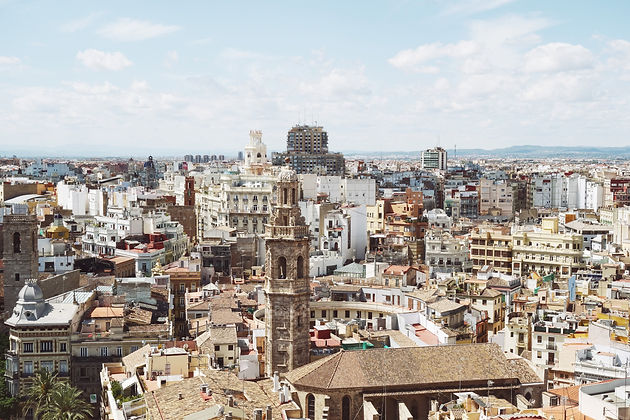
- Spain’s third-largest city, seamlessly blending its historic old town and the birthplace of paella with the futuristic, sweeping white architecture of the City of Arts and Sciences.
3. Seville (Andalusia)
- The romantic, sun-drenched capital of Andalusia, famous for flamenco dancing, the massive Gothic Cathedral, and the stunning Moorish royal palace (Real Alcázar).
4. Granada (Andalusia)
- Set at the foot of the snow-capped Sierra Nevada mountains, this city holds the crown jewel of Spain's Moorish past: the breathtaking Alhambra palace complex.
5. Córdoba (Andalusia)
- Once the largest city in the world during the Islamic Golden Age, defined by its mesmerizing Mezquita (Mosque-Cathedral) and narrow, flower-filled Jewish Quarter.
Seville

Did you know?
Underground Salt Mines – Cardona features a massive subterranean mountain of pure solid pink salt that visitors can hike deep inside.
Islands
1. Tabarca Island (Alicante)
- The only inhabited island in the Valencian Community, accessible by a short boat trip. It is a protected marine reserve boasting crystalline waters, excellent snorkeling, and a fortified 18th-century village.
2. Medes Islands (Catalonia)
- A tiny, rugged archipelago off the Costa Brava that forms one of the most important marine flora and fauna reserves in the western Mediterranean, offering world-class scuba diving.
-
Find the perfect place to stay in any of these top cities and islands with Booking.com, Hotels.com and Vrbo – offering entire homes and apartments for a comfortable and private experience.
Tabarca Island

Things to see
Natural Attractions
1. Cabo de Gata-Níjar Natural Park
- A wild, isolated volcanic coastline in Almería featuring hidden coves, dramatic cliffs, and Europe’s only true desert climate.
2. Sierra Nevada National Park
- A massive mountain range behind Granada that hosts mainland Spain’s highest peak (Mulhacén) and Europe's southernmost ski resort.
3. Doñana National Park
- A vast, UNESCO-listed coastal wetland in Huelva and Seville where the Guadalquivir River meets the Atlantic, serving as a critical sanctuary for millions of migratory birds and the highly endangered Iberian lynx.
4. Caminito del Rey
- Once considered the world's most dangerous hike, this restored walkway is pinned along the steep, sheer walls of a narrow gorge in Málaga province, hovering 100 meters above the river.
Historical and Cultural Sites
1. The Alhambra
- A sprawling, intricately detailed 13th-century Moorish palace and fortress complex in Granada, featuring lush courtyard gardens and stunning Islamic geometric tilework.
2. La Sagrada Familia
- Antoni Gaudí’s unfinished masterpiece in Barcelona, a towering basilica that blends Gothic and Art Nouveau forms into a massive, organic stone forest.
3. The Mezquita of Córdoba
- A vast 8th-century mosque famous for its hypnotic forest of red-and-white striped horseshoe arches, with a Renaissance Christian cathedral built directly into its center.
Unique Experiences
1. Watching Authentic Flamenco in Seville
- Sitting in a small, intimate tablao in the Triana neighborhood to witness the raw, passionate singing, guitar playing, and dancing of traditional Andalusian flamenco.
2. Eating Authentic Paella in Valencia
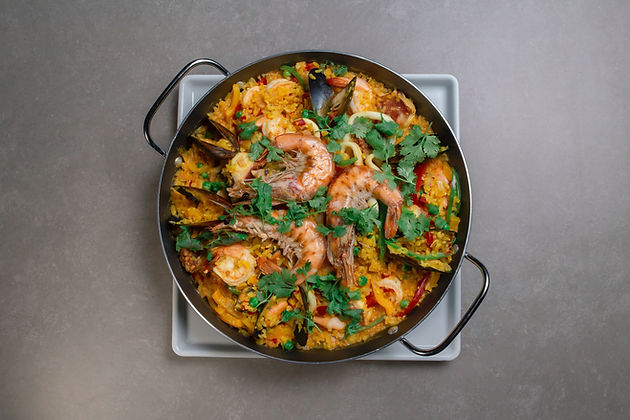
- Taking a short trip to the Albufera wetlands (where Spanish rice is grown) to eat traditional Paella Valenciana—made with rabbit, chicken, and snails—cooked over an open wood fire.
3. Exploring the White Villages (Pueblos Blancos)
- Driving through the mountainous regions of Cádiz and Málaga to discover ancient, defensive towns completely painted in dazzling white to reflect the summer sun.
-
The best way to explore major cities and must-see attractions is by booking guided tours.* They offer convenience, local insights, and often save time when visiting popular sights.
Sierra Nevada

Unique Accomondations/Foodspots
Accommodations
Finca Cortesin Hotel Golf & Spa
Location: Casares, Málaga, Andalusia, South Spain
A magnificent luxury resort styled after a traditional Andalusian whitewashed estate, featuring spacious suites around serene courtyards, a world-class championship golf course, and a pristine beach club.
Restaurants / Bars
Bardal
Location: Ronda, Málaga, Andalusia, South Spain
A celebrated Michelin-starred dining destination set in the dramatic gorge town of Ronda, renowned for its sophisticated, deeply regional Andalusian tasting menus that elevate traditional southern flavors.
Tours to do
1. The Moorish Andalusian Circuit
- A classic historical route forming a golden triangle: starting in the flamenco capital of Seville, driving to Córdoba to see the Mezquita, and ending at the Alhambra in Granada.
Best Time: April to May, or September to October.
Average Cost: $500 – $900 per person
2. The Mediterranean Coastal Drive
- Departing from the surrealism of Barcelona and the Costa Brava, driving south through the wetlands of the Ebro Delta, the futuristic city of Valencia, and ending on the beaches of Alicante.
Best Time: June to September.
Average Cost: $600 – $1,200 per person
Valencia
How to get around
1. High-Speed Rail (AVE)
- Spain possesses the second-largest high-speed rail network in the world. The AVE connects Barcelona, Valencia, Madrid, Córdoba, and Seville at speeds up to 300 km/h, making it far superior to flying.
2. Car Rental
- Highly recommended for exploring the rugged Costa Brava, the isolated beaches of Almería, and the mountainous White Villages of Andalusia. Main highways (Autovías) are excellent and mostly toll-free.
3. Intercity Buses (ALSA)
- The most cost-effective way to travel along the southern coast (where train lines do not reach every beach town, such as between Málaga and Marbella).
-
You can find great car rental deals for your vacation on Expedia *
Did you know?
Whistling Language – On La Gomera island, locals communicate across deep valleys by whistling complex messages instead of speaking.
What to eat
1. Paella Valenciana
- The true, original paella from Valencia (never made with seafood). It is cooked in a wide, shallow pan with bomba rice, chicken, rabbit, flat green beans, butter beans (garrofón), saffron, and rosemary.
2. Gazpacho and Salmorejo
- Refreshing, cold tomato-based soups originating from Andalusia. Gazpacho is light and drinkable (blended with cucumber, pepper, and olive oil), while Salmorejo (from Córdoba) is thick and creamy, topped with boiled egg and Iberian ham.
3. Jamón Ibérico de Bellota
- The finest cured ham in the world, sourced from free-ranging black Iberian pigs fed on acorns in the oak forests of Andalusia, carved in paper-thin, melt-in-your-mouth slices.
4. Churros con Chocolate
- Deep-fried, fluted dough sticks dusted lightly with sugar and dipped into cups of impossibly thick, rich, and dark hot chocolate, commonly eaten for breakfast or late at night.
Paella
Flights
Flight prices are approximate and vary by departure city, airline, and booking time. Check airlines or travel platforms for the latest details.
* Please note: All prices are rough estimates for orientation purposes only and may vary by region.
Main Airport: Barcelona-El Prat Airport (BCN) & Málaga-Costa del Sol Airport (AGP) & Seville Airport (SVQ)
Flight Prices and Seasons:
From Europe:
- Average Round-Trip Cost: $60 to $200 (Massive volume of low-cost flights via Ryanair, Vueling, and easyJet to all coastal airports).
- Cheapest Months: November and January.
- Peak Prices: July, August, and Easter week.
From North America:
- Average Round-Trip Cost: $500 to $1,100 (Direct flights into Barcelona, or connecting through Madrid into Málaga/Seville).
- Cheapest Months: October and February.
- Peak Prices: June, July, and August.
From Asia:
- Average Round-Trip Cost: $700 to $1,300 (Connect via Gulf transit hubs like Doha or Dubai into Barcelona or Madrid).
- Cheapest Months: May and September.
- Peak Prices: July and Lunar New Year.
From Australia (Domestic/Oceania):
- Average Round-Trip Cost: $1,200 to $1,900 (One-stop or two-stop flights via Singapore, Doha, or Dubai).
- Cheapest Months: May and November.
- Peak Prices: December and January.
From Africa:
- Average Round-Trip Cost: $300 to $700 (Direct flights into Barcelona and Málaga from North Africa, or via European hubs).
- Cheapest Months: February and October.
- Peak Prices: July and August.
-
You can find the best flight deals with Skyscanner or plan the whole vacation, including flights, transportation, hotels and tours with Expedia *
Airport Location
Visa
1. Visa Requirement
- Citizens of the U.S., Canada, the U.K., and Australia do not need a visa for stays of up to 90 days within a 180-day period for tourism or business.
2. Schengen Visa
- Travelers from countries that require a visa must apply for a Schengen visa at a Spanish embassy or consulate before traveling.
3. Types of Visa
- Common visa types include a Short-Stay Visa (Type C): Valid for tourism or business for stays of up to 90 days.
4. Processing Time
- Visa processing typically takes 15 working days, so it’s advisable to apply well in advance.
5. Duration of Stay
- Visa-free visitors can stay for up to 90 days; visa holders should refer to their specific visa for duration.
6. Health Requirements
- No specific vaccinations are generally required for entry, but travel insurance is recommended.
Important things to know
1. Payments
- The local currency is the Euro (EUR). Credit cards are widely accepted.
2. Tap Water
- Tap water is generally safe to drink.
3. Electricity
- The voltage is 230V, and plug types C and F are used.
4. Tipping in Restaurants
- Tipping is customary, usually around 5-10%.
5. SIM Cards
- Local SIM cards are available from providers like Movistar and Vodafone.
6. Driving Side
- In Spain, people drive on the right side of the road.
Souveniers
1. Andalusian Azulejos
- Hand-painted, vibrantly colored, and geometrically patterned ceramic tiles used to decorate courtyards, fountains, and palaces, particularly in Seville.
2. Spanish Fans (Abanicos)
- Highly ornate, hand-painted folding wooden and fabric fans, deeply embedded in flamenco culture and highly practical during the searing Andalusian summers.
3. Sherry (Jerez)
- A fortified wine produced exclusively in the "Sherry Triangle" around Jerez de la Frontera in Cádiz, ranging from bone-dry Fino to sticky, sweet Pedro Ximénez.
Azulejos

*AI-generated illustration
Location
Reviews
You already visited this country? Share your experiences with others! Tell us what’s worth seeing, what to skip, the things you wish you knew before your trip, what surprised you, what do you wish you knew earlier? Leave a review and help others plan smarter. Thanks in advance! :))