


Country Info | Read more

Flags are sourced from free platforms like flagpedia.net
Peru (Andes)
These high mountains hold the famous ancient secrets of the Incan empire. You can hike the misty trail to Machu Picchu or walk alongside friendly llamas in beautiful, high-altitude valleys.
* Affiliate links are marked with an asterisk (*). We may earn a commission at no extra cost to you.
Photos without credits are sourced from free platforms like Unsplash and Pexels



Summary
Did you know?
Rainbow Mountain – Vinicunca features high-altitude mountain slopes naturally striped in bright turquoise, lavender, and gold mineral rock layers.
Overview
Months
April, August, December, February, January, July, June, March, May, November, October, September
Vacation type
Couple, Family, Mountains
Expenses
0-50€, <150€, <200€, <100€, Over 200€
Temperature
10-20°C
Rainfall
0-50mm, 50-100mm, 100-150mm
Safety
Safe
Continent
South America
Currency
Peruvian sol
Languages
Spanish
Currency Converter
When to visit
The best time to travel to the Peruvian Highlands (the Andes) is during the dry winter season from May to September. During these months, the mountain skies are bright blue, sunny, and clear, with minimal rainfall, providing the best conditions for trekking the Inca Trail, climbing the Cordillera Blanca, and exploring archaeological sites.
The rainy summer season runs from November to April, peaking between January and March. During this period, heavy Andean downpours can trigger mudslides (huaycos), disrupt mountain roads, and occasionally suspend train services. The Classic Inca Trail is completely closed every February for conservation and maintenance.
Nights in the dry season can drop below freezing at high altitudes (especially in Puno and high-elevation trekking camps), while daytime temperatures remain pleasantly mild.
-
Plan the whole vacation, including flights, transportation, hotels and tours with Expedia *

Climate Data
Peak Season: May to September (Dry / Winter Season)
Average Sunny Hours per Day: 7 to 9 hours.
Rain Frequency: 1 to 4 days per month.
Rainy Hours per Day: 0 to 1 hour.
Intensity: Rare, light afternoon showers or passing drizzles.
Duration: Days are predominantly crisp, cloudless, and bright with intense high-altitude UV radiation. Temperatures drop sharply after sunset, frequently dipping below 0°C at elevations above 3,500 meters.
Off-Peak Season: November to April (Rainy / Summer Season)
Average Sunny Hours per Day: 4 to 6 hours.
Rain Frequency: 15 to 22 days per month.
Rainy Hours per Day: 2 to 5 hours.
Intensity: Heavy, torrential downpours, accompanied by thunderstorms and thick mountain fog.
Duration: Mornings often start clear, with dense clouds building up into heavy afternoon rain that can linger into the night.
Climate Chart

Data Source: Global Historical Climatology Network
ClimateCharts.net
Weather, Crowds and Costs
Per one person
Tourist Season: May-September (Dry Season)
Budget Vacation ($35-65/day)
Accommodation: $10-22/night (backpacker hostels in Cusco, family-run homestays in Puno).
Food: $8-15/day (local market menús del día, empanadas, street-side anticuchos).
Activities: $10-18/day (Boleto Turístico partial passes, self-guided ruin hikes).
Transportation: $5-10/day (local colectivo vans between valley towns, shared city combis).
Other Costs: $4/day (coca tea, bottled water).
Mid-Range Vacation ($90-190/day)
Accommodation: $50-100/night (restored colonial boutique hotels, comfortable mountain lodges with heating).
Food: $20-45/day (traditional Andean restaurants, craft beer pubs, pisco sours).
Activities: $30-65/day (guided Sacred Valley day tours, full Boleto Turístico circuit ticket).
Transportation: $15-35/day (standard Expedition/Voyager trains to Aguas Calientes, VIP long-distance buses).
Other Costs: $8/day (tips, hot springs entry, snacks).
Luxury Vacation ($300-800+/day)
Accommodation: $180-500+/night (5-star heritage monastery hotels in Cusco, luxury canyon view chalets in Colca).
Food: $60-140/day (high-end Andean fine dining, multi-course degustation menus).
Activities: $100-250+/day (Belmond Hiram Bingham luxury train to Machu Picchu, private guided archaeological tours).
Transportation: $50-120/day (private chauffeured vehicle for the Sacred Valley, domestic flights).
Other Costs: $25+/day (spa treatments, luxury alpaca knitwear purchases).
Off-Peak Season: November-April (Rainy Season)
Budget Vacation ($25-50/day)
Accommodation: $8-16/night (discounted hostel beds, quiet guesthouses).
Food: $7-12/day (local indoor food halls, neighborhood bakeries).
Activities: $5-12/day (indoor museum visits, church entries).
Transportation: $4-8/day (local buses, shared vans).
Other Costs: $3/day (rain ponchos, hot teas).
Mid-Range Vacation ($65-130/day)
Accommodation: $35-70/night (discounted 3- and 4-star colonial hotels).
Food: $15-30/day (cozy indoor cafes, traditional taverns).
Activities: $15-35/day (cooking classes, low-season day excursions).
Transportation: $10-25/day (discounted train tickets, app-based city taxis).
Other Costs: $5/day (coffee, museum audio guides).
Luxury Vacation ($200-550+/day)
Accommodation: $130-350+/night (high-end boutique resorts at promotional rates).
Food: $45-90/day (hotel restaurant dining, heated lounge dinners).
Activities: $60-150/day (private cultural masterclasses, indoor spa wellness days).
Transportation: $30-70/day (private transfers).
Other Costs: $15/day (artisan shopping).
-
You can find accomendations that fit your trip and budget on Booking.com, Vrbo and Hotels.com


Best Regions to visit
Cities
1. Cusco
- The historic imperial capital of the Inca Empire, situated at 3,400 meters, famous for Spanish colonial churches built on top of massive, precisely carved Inca stone foundations.
2. Arequipa
- Known as the "White City" (La Ciudad Blanca), located at 2,325 meters beneath towering volcanoes and built almost entirely from white volcanic ash stone (sillar).
3. Huaraz
- The trekking and mountaineering capital of Peru, located in the northern Callejón de Huaylas valley at the foot of the snow-capped Cordillera Blanca.
4. Puno
- A high-altitude city (3,820 meters) on the barren shores of Lake Titicaca, renowned as Peru's folklore capital due to its vibrant indigenous festivals and traditional boat cultures.
5. Ollantaytambo
- A living Inca town in the Sacred Valley where stone streets, water channels, and courtyards have remained continuously inhabited since the 15th century.
Cusco

Did you know?
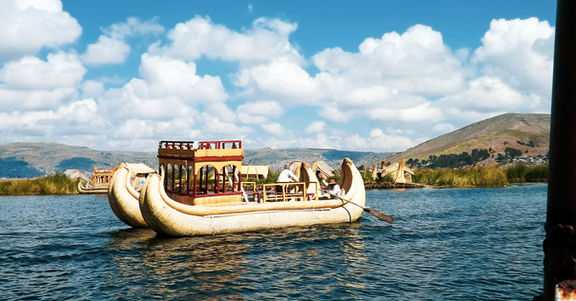
Floating Reed Islands – Lake Titicaca hosts indigenous Uros communities living on man-made islands woven entirely from buoyant lake reeds.
Islands
1. Taquile Island (Lake Titicaca)
- A peaceful, roadless island in Lake Titicaca where indigenous men are the primary knitters of complex, symbolic textiles (recognized by UNESCO).
2. Amantaní Island (Lake Titicaca)
- A tranquil, high-altitude island renowned for homestays with local Quechua-speaking families and two ancient summit temples: Pachatata and Pachamama.
3. Uros Floating Islands
- Over 100 man-made floating islands constructed entirely out of buoyant, interwoven layers of native Totora reeds by the indigenous Uros people.
-
Find the perfect place to stay in any of these top cities and islands with Booking.com, Hotels.com and Vrbo – offering entire homes and apartments for a comfortable and private experience.
Taquile Island

Things to see
Natural Attractions
1. Colca Canyon
- One of the deepest river canyons in the world (more than double the depth of the Grand Canyon), lined with ancient agricultural terraces and famous for soaring Andean condors.
2. Huascarán National Park (Cordillera Blanca)
- A dramatic alpine sanctuary containing Mount Huascarán (6,768 meters, Peru's highest peak), deep turquoise glacial lakes (such as Laguna 69), and retreating glaciers.
3. Vinicunca (Rainbow Mountain)
- A 5,200-meter Andean ridge displaying vivid stripes of turquoise, magenta, and gold created by mineral weathering, accessible via a steep high-altitude trek.
4. Humantay Lake
- A brilliant emerald-green glacial lake perched beneath the snow-capped peak of Mount Salkantay at 4,200 meters.
Historical and Cultural Sites
1. Machu Picchu
- The iconic 15th-century royal Inca citadel set dramatically on a narrow granite ridge between steep, jungle-covered mountain peaks above the Urubamba River.
2. Sacsayhuamán
- A colossal Inca fortress overlooking Cusco, constructed from interlocking limestone boulders weighing up to 120 tons, fitted together without mortar.
3. Santa Catalina Monastery (Arequipa)
- A massive, walled convent founded in 1579 that functions as a "city within a city," featuring colorful blue-and-ochre cloisters, narrow cobblestone alleys, and courtyards.
4. Chavín de Huántar
- A UNESCO World Heritage complex in the northern highlands pre-dating the Incas by over 2,000 years, featuring underground stone labyrinths and carved monoliths.
Unique Experiences
1. Trekking the Classic Inca Trail
- Hiking the four-day stone-paved pilgrimage path through high mountain passes (Dead Woman's Pass at 4,215 meters) to enter Machu Picchu through the Sun Gate at dawn.
2. Spotting Wild Condors at Cruz del Cóndor
- Standing on the sheer rim of Colca Canyon in the morning as thermal air currents lift massive Andean condors within meters of the viewpoint.
3. Sleeping on Lake Titicaca
- Staying overnight in an adobe farmhouse on Amantaní Island, sharing home-cooked potato and quinoa meals with a host family by candlelight.
-
The best way to explore major cities and must-see attractions is by booking guided tours.* They offer convenience, local insights, and often save time when visiting popular sights.
Colca Canyon

Unique Accomondations/Foodspots
Accommodations
Belmond Hotel Monasterio
Location: Cusco, Peru Andes
A magnificent, historic 16th-century former monastery and national landmark turned ultra-luxury hotel, featuring oxygen-enriched colonial suites centered around tranquil courtyards and ancient baroque architecture.
Restaurants / Bars
Central
Location: Cicciolina, Cusco
A world-renowned culinary temple helmed by Chef Virgilio Martínez, celebrated for its groundbreaking altitudinal tasting menus that take diners on an ecological journey from deep ocean trenches to high Andean peaks.
Tours to do
1. The Inca Heartland and Sacred Valley Route
- Acclimatizing in Cusco, visiting the Pisac market and Ollantaytambo ruins, taking the train through the river gorge to explore Machu Picchu, and hiking to Rainbow Mountain.
Best Time: May to September.
Average Cost: $450 – $950 per person
2. The High Andes and Canyons Circuit
- Starting in the colonial streets of Arequipa, driving up through the high-altitude vicuña reserves to Colca Canyon, and continuing across the altiplano to Puno to boat across Lake Titicaca.
Best Time: April to October.
Average Cost: $400 – $800 per person
Rainbow Mountains

How to get around
1. High-Altitude Scenic Trains
- PeruRail and Inca Rail operate passenger trains from Ollantaytambo and Poroy to Machu Picchu (Aguas Calientes). PeruRail also runs the luxury Titicaca Train across the altiplano between Cusco and Puno.
2. Long-Distance VIP Buses
- High-clearance, executive buses (such as Cruz del Sur or the hop-on hop-off service Peru Hop) are safe, comfortable, and well-equipped for mountain passes between Arequipa, Puno, and Cusco.
3. Colectivos and Combis
- Shared passenger minivans depart continuously between Cusco and Sacred Valley towns (Pisac, Urubamba, Ollantaytambo) and offer the fastest, cheapest local transit.
-
You can find great car rental deals for your vacation on Expedia *
Did you know?
Hanging Cliff Tombs – Ancient Chachapoyas sarcophagi shaped like human faces stand perched on terrifying, sheer canyon walls high above valleys.
What to eat
1. Cuy Chactado
- Whole guinea pig seasoned with garlic, cumin, and local herbs, pressed flat beneath heavy river stones, and deep-fried until the skin is shatteringly crisp. A traditional highland banquet dish.
2. Rocoto Relleno
- A classic Arequipa dish consisting of a spicy rocoto chili pepper stuffed with seasoned minced beef, onions, garlic, raisins, and hard-boiled eggs, topped with melted cheese and baked alongside a potato cake (pastel de papa).
3. Pachamanca
- An ancient Andean ceremonial feast where marinated meats (pork, chicken, lamb), native potatoes, corn, beans, and herbs are buried and slow-cooked underground over red-hot volcanic stones.
4. Choclo con Queso
- A ubiquitous highland street food. Giant-kernel, chewy Andean corn freshly boiled on the cob, served alongside a thick, salty slice of fresh farmer's cheese (queso fresco).

Flights
Flight prices are approximate and vary by departure city, airline, and booking time. Check airlines or travel platforms for the latest details.
* Please note: All prices are rough estimates for orientation purposes only and may vary by region.
Main Airport: Alejandro Velasco Astete International Airport (CUZ) in Cusco
Flight Prices and Seasons (Connecting via Lima into Cusco or Arequipa):
From Europe:
- Average Round-Trip Cost: $950 to $1,600 (Connect via Madrid, Paris, or Amsterdam to Lima, then take a 1-hour domestic flight to Cusco).
- Cheapest Months: February, March, and November.
- Peak Prices: July, August, and late December.
From North America:
- Average Round-Trip Cost: $500 to $1,050 (Frequent flights from Miami, Houston, Atlanta, or Los Angeles into Lima with domestic shuttles south).
- Cheapest Months: September, October, and April.
- Peak Prices: June, July, and December.
From Asia:
- Average Round-Trip Cost: $1,300 to $2,200 (Requires two stops via North America or Europe).
- Cheapest Months: May and October.
- Peak Prices: July, August, and Lunar New Year.
From Australia (Domestic/Oceania):
- Average Round-Trip Cost: $1,600 to $2,400 (Fly via Santiago, Chile, or Los Angeles into Lima, followed by a domestic leg).
- Cheapest Months: May and November.
- Peak Prices: December and January.
From Africa:
- Average Round-Trip Cost: $1,100 to $1,800 (Connecting via Sao Paulo, Brazil, or European hubs into Lima).
- Cheapest Months: March and November.
- Peak Prices: July and August.
-
You can find the best flight deals with Skyscanner or plan the whole vacation, including flights, transportation, hotels and tours with Expedia *
Airport Location
Visa
1. Visa Requirement
- Citizens of the U.S., Canada, the U.K., and Australia do not need a visa for stays of up to 183 days for tourism.
2. Visa-Free Entry
- Travelers from many countries can enter visa-free for stays of up to 183 days.
3. Visa Application
- Citizens from countries that require a visa must apply for a Peruvian visa at a Peruvian embassy or consulate before traveling.
4. Types of Visa
- Common visa types include:Tourist Visa: Typically issued for stays of up to 183 days.
5. Processing Time
- Visa processing can take from 3 to 10 business days, so it’s advisable to apply well in advance if required.
6. Duration of Stay
- Visa-free visitors can stay for up to 183 days; visa holders should refer to their specific visa for duration.
7. Health Requirements
- No specific vaccinations are generally required for entry, but travel insurance is recommended.
Important things to know
1. Payments
- The local currency is the Peruvian Sol (PEN). Credit cards are accepted in tourist areas.
2. Tap Water
- Tap water is generally not safe to drink. Bottled water is recommended.
3. Electricity
- The voltage is 220V, and plug types A and C are used.
4. Tipping in Restaurants
- Tipping is customary, usually around 10%.
5. SIM Cards
- Local SIM cards are available from providers like Claro and Movistar.
6. Driving Side
- In Peru, people drive on the right side of the road.
Souveniers
1. Peruvian Textiles
- Known for their intricate weaving, Peruvian textiles like blankets, scarves, and ponchos, made from alpaca or llama wool, are luxurious and represent the rich Andean culture.
2. Silver Jewelry
- Peru is famous for its high-quality silver, often featuring gemstones such as turquoise or lapis lazuli, made into rings, bracelets, and necklaces.
3. Handmade Alpaca Wool Sweaters
- Soft and warm, these sweaters and accessories are made from one of the finest wools in the world, perfect for colder climates.
Peruvian Textiles

Location
Reviews
You already visited this country? Share your experiences with others! Tell us what’s worth seeing, what to skip, the things you wish you knew before your trip, what surprised you, what do you wish you knew earlier? Leave a review and help others plan smarter. Thanks in advance! :))