


Country Info | Read more

Flags are sourced from free platforms like flagpedia.net
Panama (Highlands)
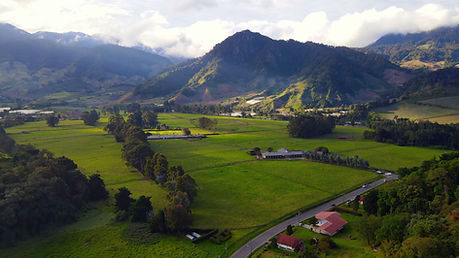
A cool, misty mountain escape covered in lush cloud forests and rich coffee farms. You can hike scenic jungle trails, spot rare birds, and sip some of the freshest coffee in the world.
* Affiliate links are marked with an asterisk (*). We may earn a commission at no extra cost to you.
Photos without credits are sourced from free platforms like Unsplash and Pexels


Summary
Neighboring Countries
Did you know?
Coffee Geisha Beans – The misty slopes of Volcán Barú grow some of the most expensive and rare coffee beans in the world, prized for a floral aroma.
Overview
Months
January, February, March
Vacation type
Mountains, Family, Couple, Rainforest
Expenses
0-50€, <100€, <150€, <200€, Over 200€
Temperature
20-25°C
Rainfall
50-100mm
Safety
Safe
Continent
Central America
Currency
Balboa, U.S dollar
Languages
Spanish, Guyami, Buglere
Currency Converter
When to visit
The best time to visit the Panama Highlands is during the dry season from December to April. Locals call the climate here "eternal spring." While the coasts are hot and sticky, the mountains sit at higher elevations where daytime temperatures hover comfortably between 18°C and 24°C (64°F to 75°F). Clear skies during these months give you the best visibility for mountain hiking and touring coffee farms.
The green (rainy) season runs from May to November. Mornings are often sunny, but heavy rain usually rolls in by early afternoon. The highlands also get a unique, fine mountain mist called bajareque, which keeps the hills green and cool. At night, temperatures can easily dip down to 10°C to 13°C (50°F to 55°F), and on top of Volcán Barú, it often drops below freezing.
-
Plan the whole vacation, including flights, transportation, hotels and tours with Expedia *

Climate Data
Peak Season: December to April (Dry Season)
Average Sunny Hours per Day: 7 to 9 hours.
Rain Frequency: 3 to 6 days per month.
Rainy Hours per Day: 0 to 1 hour.
Intensity: Light mountain mist (bajareque) or quick, passing drizzle.
Duration: Showers rarely last long. The air stays cool and dry, with steady breezes coming off the mountains.
Off-Peak Season: May to November (Green Season)
Average Sunny Hours per Day: 4 to 6 hours.
Rain Frequency: 16 to 22 days per month.
Rainy Hours per Day: 2 to 4 hours.
Intensity: Strong afternoon downpours and thick cloud cover in the forest.
Duration: Rains usually hit around 1:00 PM or 2:00 PM and continue into the late afternoon, leaving the mornings clear for outdoor activities.
Climate Chart

Data Source: CRU Time Series v4.07https://catalogue.ceda.ac.uk/uuid/5fda109ab71947b6b7724077bf7eb753
ClimateCharts.net
Weather, Crowds and Costs
Per one person
Tourist Season: December-April
Budget Vacation ($35-65/day)
Accommodation: $15-25/night (dorm beds or basic private rooms in mountain hostels).
Food: $10-18/day (local cafeterias called fondas, bakeries, fresh fruit markets).
Activities: $5-12/day (self-guided national park trails, visiting public waterfalls).
Transportation: $3-8/day (local minivans called colectivos).
Other Costs: $4/day (bottled water, coffee).
Mid-Range Vacation ($90-180/day)
Accommodation: $50-100/night (cozy mountain cabins with fireplaces, boutique bed and breakfasts).
Food: $25-45/day (farm-to-table restaurants, craft beer pubs, specialty cafes).
Activities: $25-50/day (guided coffee plantation tours, suspension bridge canopy walks).
Transportation: $15-30/day (short taxi rides, rental car share).
Other Costs: $5/day (local honey, bakery snacks).
Luxury Vacation ($250-600+/day)
Accommodation: $160-400+/night (high-end mountain lodges, historic estate suites like Panamonte).
Food: $70-130/day (tasting menus pairing local produce with world-class coffee and wine).
Activities: $80-160+/day (private 4x4 summit tours of Volcán Barú, VIP Geisha coffee cuppings).
Transportation: $50-90/day (private SUV rental, dedicated driver).
Other Costs: $25+/day (spa treatments, premium bags of roasted beans).
Off-Peak Season: May-November
Budget Vacation ($30-55/day)
Accommodation: $12-20/night (discounted hostel dorms and quiet guesthouses).
Food: $8-15/day (neighborhood grocery stores, daily lunch specials).
Activities: $5-10/day (free trails, exploring local markets).
Transportation: $3-6/day (public buses).
Other Costs: $3/day (rain gear, hot drinks).
Mid-Range Vacation ($75-140/day)
Accommodation: $40-75/night (cabins and boutique hotels offering low-season discounts).
Food: $20-35/day (casual indoor dining, bakeries).
Activities: $15-30/day (discounted off-season farm visits).
Transportation: $10-20/day (local taxis).
Other Costs: $5/day (umbrellas, hot tea).
Luxury Vacation ($180-450+/day)
Accommodation: $120-280+/night (upscale mountain chalets at reduced rates).
Food: $50-100/day (hotel dining rooms, fireside dinners).
Activities: $50-100/day (private nature guides, indoor wellness facilities).
Transportation: $35-70/day (rental vehicles).
Other Costs: $15/day (artisan goods).
-
You can find accomendations that fit your trip and budget on Booking.com, Vrbo and Hotels.com


Best Regions to visit
Cities
1. Boquete
- The main mountain hub of Panama, sitting in a lush valley on the eastern side of Volcán Barú. It has a large international community, excellent restaurants, and easy access to hiking and coffee estates.
2. Volcán
- A quieter, more rustic farming town on the western slope of the volcano. It feels far less touristy than Boquete and serves as a base for climbing the mountain or visiting hot springs.
3. Cerro Punta
- The highest agricultural settlement in Panama (around 2,000 meters). The valley is packed with steep, terrace farms producing strawberries and vegetables, featuring cool air and Swiss-style chalets.
4. El Valle de Antón
- A peaceful town located inside the massive crater of a dormant volcano, only two hours from Panama City. It is famous for thermal pools, weekend craft markets, and cloud forest ridge hikes.
5. Santa Fe
- A sleepy, authentic village tucked away in the Veraguas mountains. It has dirt roads, dozens of hidden waterfalls, and very few crowds.
Boquete

Did you know?
Cloud Forest Quetzals – The high mountain rainforests hide rare, glowing green quetzal birds feeding quietly on wild avocado tree branches.
Islands
There are no islands in this inland mountain area.
-
Find the perfect place to stay in any of these top cities and islands with Booking.com, Hotels.com and Vrbo – offering entire homes and apartments for a comfortable and private experience.
Cerro Punta
Things to see
Natural Attractions
1. Volcán Barú
- The highest point in Panama (3,474 meters / 11,398 feet). On a clear morning at the summit, you can stand in one spot and see both the Pacific Ocean and the Caribbean Sea at the same time.
2. The Quetzal Trail (Sendero de los Quetzales)
- A famous 9-kilometer hiking trail cutting through primary cloud forest between Boquete and Cerro Punta, named after the rare, brightly colored bird that lives here.
3. La India Dormida
- A dramatic mountain ridge above El Valle de Antón that looks exactly like the silhouette of a sleeping indigenous woman. The hike up offers sweeping views of the entire crater floor.
4. Caldera Hot Springs
- Natural, mineral-rich thermal pools located on private farmland outside Boquete, heated naturally by the underground volcanic rock.
Historical and Cultural Sites
1. Historic Coffee Fincas
- Traditional estates in Boquete and Volcán (such as Hacienda La Esmeralda and Finca Lérida), where you can walk through shade-grown coffee fields and learn how raw cherries are processed.
2. Sitio Barriles
- An archaeological site near Volcán containing ancient stone carvings, carved metates (grinding stones), and statues left by pre-Columbian cultures from 300 BC to 600 AD.
3. El Valle Artisan Market
- A covered market in the center of town where indigenous artisans sell carved soapstone, wooden bowls, native orchids, and fresh local produce.
Unique Experiences
1. Tasting Rare Geisha Coffee
- Sampling freshly brewed Geisha coffee in Boquete, one of the most expensive and celebrated coffees in the world, known for its light, floral, tea-like profile.
2. Climbing Volcán Barú at Midnight
- Hiking the steep, 14-kilometer gravel trail through the dark (or taking a rugged 4x4 jeep) to reach the peak just as the sun rises over both oceans.
3. Canopy Walk on Hanging Bridges
- Walking along steel suspension bridges strung high above the cloud forest floor in Boquete, watching for hummingbirds, sloths, and orchids in the tree canopy.
-
The best way to explore major cities and must-see attractions is by booking guided tours.* They offer convenience, local insights, and often save time when visiting popular sights.

Unique Accomondations/Foodspots
Accommodations
Los Establos Boutique Hotel
Location: Boquete, Chiriquí Highlands, Panama
An exclusive luxury mountain retreat nestled high up in the mist-shrouded coffee hills near Volcán Barú, featuring charming white-wash suites, horse stables, organic gardens, and sweeping valley views.
Restaurants / Bars
The Sugar Mill Restaurant
Location: Boquete, Chiriquí Highlands, Panama
A sophisticated mountainside dining venue surrounded by lush cloud forest, celebrated for its elevated farm-to-table cuisine, artisan coffee pairings, and warm, fireside highland ambiance.
Tours to do
1. The Chiriquí Highlands Loop
- Fly into David, take a car up to Boquete for coffee tasting and cloud forest hiking, drive around the base of the volcano to Volcán and Cerro Punta, and return via the pre-Columbian ruins of Sitio Barriles.
Best Time: January to April.
Average Cost: $350 – $750 per person.
2. The Crater and Waterfalls Weekend
- Drive from Panama City to El Valle de Antón, hike the ridge of La India Dormida at sunrise, visit the thermal mud baths, and explore the waterfalls of Chorro El Macho.
Best Time: December to March.
Average Cost: $150 – $350 per person.

How to get around
1. Reaching Chiriquí
- The fastest route is a 45-minute domestic flight from Panama City (PAC) to the city of David (DAV). From David, buses and taxis take about 45 minutes to reach Boquete and an hour to reach Volcán.
2. Reaching El Valle
- Located along the Pan-American Highway. Regular buses leave Panama City’s Albrook terminal throughout the day and take roughly 2.5 to 3 hours.
3. Local Mountain Transit
- Small yellow buses and passenger vans (chivas) run continuously between main towns and trailheads for $1 to $3. Taxis are common in Boquete, but agree on the price before departing.
-
You can find great car rental deals for your vacation on Expedia *
Did you know?
Split Continent View – On top of Volcán Barú, clear days let you look out and see both the Pacific Ocean and Caribbean Sea at the same time.
What to eat
1. Sancocho
- A hearty chicken soup made with yucca, corn, and spices, a traditional dish.
2. Ropa Vieja
- Shredded beef cooked in a tomato-based sauce, often served with rice.
3. Patacones
- Fried green plantains, often served as snacks or sides.
4. Ceviche
- Fresh fish marinated in lime juice and mixed with vegetables, a refreshing dish.
5. Tres Leches Cake
- A moist cake soaked in three types of milk, showcasing local desserts.
Sancocho

Flights
Flight prices are approximate and vary by departure city, airline, and booking time. Check airlines or travel platforms for the latest details.
* Please note: All prices are rough estimates for orientation purposes only and may vary by region.
Main Airport: Enrique Malek International Airport (DAV) in David & Tocumen (PTY) in Panama City
(Note: To visit Boquete or Volcán, fly into Panama City (PTY), transfer to Albrook Domestic Airport (PAC), and take a short flight to David (DAV). El Valle de Antón is best reached by direct car or bus from Panama City).
Flight Prices and Seasons (Flying into PTY / onward to DAV):
From Europe:
- Average Round-Trip Cost: $750 to $1,300 (Direct flights to PTY from Madrid, Paris, or Amsterdam, then domestic transfer).
- Cheapest Months: November and February.
- Peak Prices: July, August, and late December.
From North America:
- Average Round-Trip Cost: $400 to $850 (Direct flights to PTY from Miami, Houston, Atlanta, Newark, plus ~$150 round-trip for the domestic flight to David).
- Cheapest Months: September, October, and April.
- Peak Prices: December, January, and March.
From Asia:
- Average Round-Trip Cost: $1,300 to $2,200 (Requires connections through the US or Europe into PTY, followed by a domestic transfer).
- Cheapest Months: May and October.
- Peak Prices: July, August, and Lunar New Year.
From Australia (Domestic/Oceania):
- Average Round-Trip Cost: $1,500 to $2,400 (Fly via Santiago, Chile, or Los Angeles into PTY, then domestic transfer).
- Cheapest Months: May and August.
- Peak Prices: December and January.
From Africa:
- Average Round-Trip Cost: $1,100 to $1,800 (Connecting via Sao Paulo, Brazil, or European hubs into PTY, followed by a domestic transfer).
- Cheapest Months: March and November.
- Peak Prices: July and August.
-
You can find the best flight deals with Skyscanner or plan the whole vacation, including flights, transportation, hotels and tours with Expedia *
Airport Location
Visa
1. Visa Requirement
- Citizens of the U.S., Canada, the U.K., and Australia do not need a visa for short visits.
2. Visa-Free Entry
- Travelers from many countries can enter visa-free for stays of up to 180 days.
3. Visa Application
- Travelers from countries that require a visa must apply for a Panamanian visa at a Panamanian embassy or consulate before traveling.
4. Types of Visa
- Common visa types include a Tourist Visa: Generally valid for stays of up to 180 days.
5. Processing Time
- Visa processing can take from 3 to 10 business days, so it’s advisable to apply well in advance if required.
6. Duration of Stay
- Visa-free visitors can stay for up to 180 days; visa holders should refer to their specific visa for duration.
7. Health Requirements
- No specific vaccinations are generally required for entry, but travel insurance is recommended.
Important things to know
1. Payments
- The local currency is the Panamanian Balboa (PAB), pegged to the U.S. Dollar (USD). Credit cards are widely accepted.
2. Tap Water
- Tap water is generally safe to drink in cities.
3. Electricity
- The voltage is 110V, and plug types A and B (flat pins) are used.
4. Tipping in Restaurants
- Tipping is customary, usually around 10%.
5. SIM Cards
- Local SIM cards are available from providers like Movistar and Claro.
6. Driving Side
- In Panama, people drive on the right side of the road.
Souveniers
1. Geisha Whole Bean Coffee
- Roasted, whole-bean coffee packaged in nitrogen-flushed valve bags, bought directly from plantation farm shops in Boquete.
2. Chaquira Bead Necklaces
- Striking, wide geometric collar necklaces woven by indigenous Ngäbe women using thousands of tiny glass beads.
3. Carved Piedra de Jabón
- Intricate animal figures and sculptures carved by hand out of natural soft soapstone by local artisans in El Valle de Antón.
Bean Coffee

Location
Reviews
You already visited this country? Share your experiences with others! Tell us what’s worth seeing, what to skip, the things you wish you knew before your trip, what surprised you, what do you wish you knew earlier? Leave a review and help others plan smarter. Thanks in advance! :))