


Country Info | Read more

Flags are sourced from free platforms like flagpedia.net
Morocco (Inland)
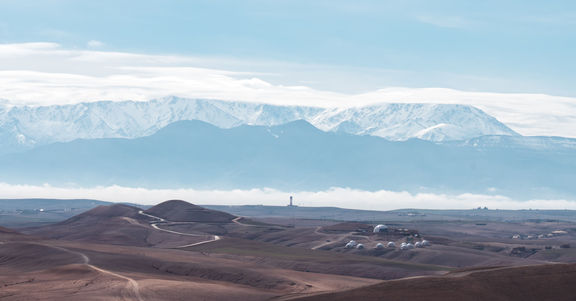
The rugged Atlas Mountains offer a cool, quiet escape full of deep valleys and traditional Berber villages. You can hike beautiful, rocky trails or just enjoy the sweeping, high-altitude views.
* Affiliate links are marked with an asterisk (*). We may earn a commission at no extra cost to you.
Photos without credits are sourced from free platforms like Unsplash and Pexels
Summary
Did you know?
Mudbrick Skyscrapers – Ait Benhaddou features ancient fortified mud-brick kasbahs that look like giant sandcastles built against the mountain slopes.
Overview
Months
May, June, July, August, September, October
Vacation type
Mountains, Family
Expenses
<100€, <150€, <200€, 0-50€, Over 200€
Temperature
10-20°C, 20-25°C
Rainfall
0-50mm
Safety
Medium
Continent
Africa
Currency
Moroccan dirham
Languages
Arabic, Tamazight
Currency Converter
When to visit
The best time to visit this region is during the spring (March to May) and autumn (September to November). The weather is warm and sunny, making it comfortable to explore the crowded, walled medinas without overheating.
Summer (July to August) is brutally hot. Temperatures regularly push past 40°C (104°F), forcing locals and tourists alike to hide indoors during the afternoon.
Winter (December to February) brings bright, sunny days, but the temperature drops sharply as soon as the sun goes down. Many traditional riads are built to stay cool in the summer and lack central heating, making winter nights feel freezing.
-
Plan the whole vacation, including flights, transportation, hotels and tours with Expedia *

Climate Data
Peak Season: March to May (Spring) & September to November (Autumn)
Average Sunny Hours per Day: 8 to 10 hours.
Rain Frequency: 3 to 6 days per month.
Rainy Hours per Day: 1 to 2 hours.
Intensity: Light, passing spring showers.
Duration: Rain rarely lasts long. The skies are generally clear, and the daytime heat is perfectly balanced by cool, refreshing evenings.
Off-Peak Season: July to August (Extreme Heat) & January to February (Winter)
Average Sunny Hours per Day: 10 to 11 hours (Summer); 6 to 7 hours (Winter).
Rain Frequency: 0 days in summer; 5 to 7 days in winter.
Rainy Hours per Day: 0 hours (Summer); 2 to 3 hours (Winter).
Intensity: Bone-dry summer heat; brief, chilly winter rain.
Duration: Summer days are relentlessly hot from 11:00 AM to 6:00 PM. Winter days are pleasant, but you will need a heavy jacket for the cold nights.
Climate Chart

Data Source: CRU Time Series v4.07https://catalogue.ceda.ac.uk/uuid/5fda109ab71947b6b7724077bf7eb753
ClimateCharts.net
Weather, Crowds and Costs
Per one person
Tourist Season: March-May & September-November
Budget Vacation ($30-55/day)
Accommodation: $12-25/night (hostel beds in the Marrakech or Fes medina, basic local guesthouses).
Food: $10-15/day (street-side shawarma, msemen flatbreads, bowls of harira soup).
Activities: $5-10/day (wandering the souks, entering ruined palaces, visiting public gardens).
Transportation: $3-5/day (local city buses, walking).
Other Costs: $3/day (mint tea, fresh orange juice).
Mid-Range Vacation ($80-160/day)
Accommodation: $50-100/night (beautifully restored traditional riads with central courtyards and rooftop terraces).
Food: $20-40/day (sit-down tagines in garden restaurants, rooftop cafe lunches).
Activities: $15-35/day (guided medina walking tours, entrance to the Majorelle Garden, visiting historical madrasas).
Transportation: $10-20/day (first-class train tickets between cities, short petit taxi rides).
Other Costs: $5/day (cafe stops, tipping guides).
Luxury Vacation ($300-800+/day)
Accommodation: $200-600+/night (world-class 5-star palace hotels like La Mamounia or Royal Mansour).
Food: $70-150/day (fine dining in candlelit palace courtyards, premium imported wines).
Activities: $80-200+/day (hot air balloon rides over the plains, private sidecar tours, luxury hammam spa days).
Transportation: $50-100/day (private chauffeur services).
Other Costs: $30+/day (high-end leather goods, artisan rugs).
Off-Peak Season: July-August & January-February
Budget Vacation ($25-45/day)
Accommodation: $10-18/night (discounted hostel dorms).
Food: $8-14/day (local sandwich shops, market fruit).
Activities: $3-8/day (free city walking, exploring the tanneries).
Transportation: $2-5/day (petit taxis).
Other Costs: $2/day (bottled water).
Mid-Range Vacation ($65-130/day)
Accommodation: $40-80/night (upgraded riad rooms at off-season prices; ensure they have AC for summer or heat for winter).
Food: $18-35/day (indoor dining, cozy cafes).
Activities: $10-25/day (cooking classes, indoor museum visits).
Transportation: $10-15/day (train tickets, local taxis).
Other Costs: $5/day (museum audio guides).
Luxury Vacation ($200-500+/day)
Accommodation: $150-350+/night (premium boutique riads and desert camps at promotional rates).
Food: $50-100/day (hotel dining with excellent service).
Activities: $60-150/day (private cooking masterclasses, indoor spa wellness).
Transportation: $40-80/day (air-conditioned private transfers).
Other Costs: $20/day (spices, artisan crafts).
-
You can find accomendations that fit your trip and budget on Booking.com, Vrbo and Hotels.com


Best Regions to visit
Cities
1. Marrakech
- Known as the "Red City" due to its clay walls. It is a loud, vibrant, and chaotic hub famous for the massive Jemaa el-Fnaa square, hidden palaces, and endless market alleys.
2. Fes
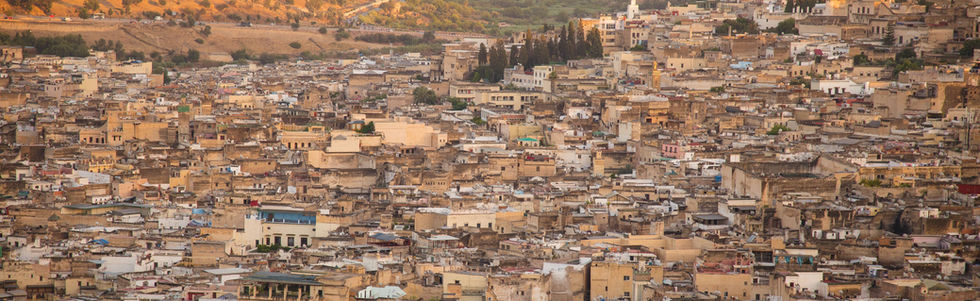
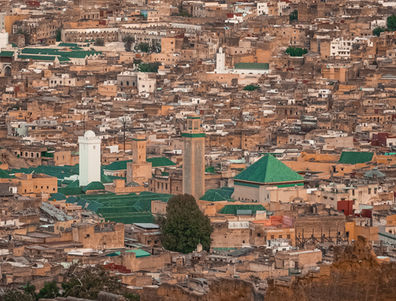
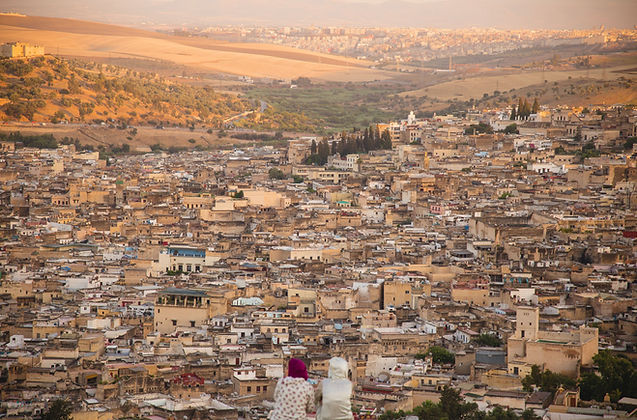
- The spiritual and cultural heart of Morocco. Its medina (Fes el-Bali) is the world's largest car-free urban area, acting as a massive, confusing maze of 9,000 narrow alleyways.
3. Meknes
- A quieter, more relaxed imperial city located near Fes. It features grand gates, massive granaries built by former sultans, and far fewer tourists.
4. Taroudant
- Located in the Sous Valley behind Agadir, this town is often called "Mini Marrakech." It features fully intact mud-brick walls and a very authentic, local market atmosphere.
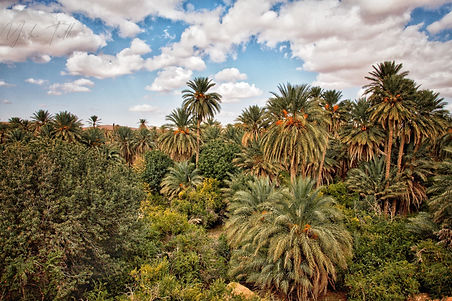
Marrakech

Did you know?
Snowy Peaks – The Atlas Mountains get so cold in winter that Moroccans regularly ski down powdery slopes at Oukaïmeden just hours from the desert.
Islands
There are no islands in this inland region.
-
Find the perfect place to stay in any of these top cities and islands with Booking.com, Hotels.com and Vrbo – offering entire homes and apartments for a comfortable and private experience.
Fes
Things to see
Natural Attractions
1. Agafay Desert
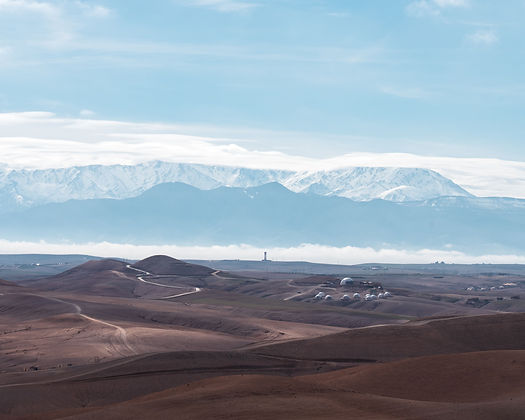
- A barren, rocky, moon-like desert located just 40 minutes outside of Marrakech. It offers the feeling of the Sahara without the multi-day drive.
2. The Palmeraie
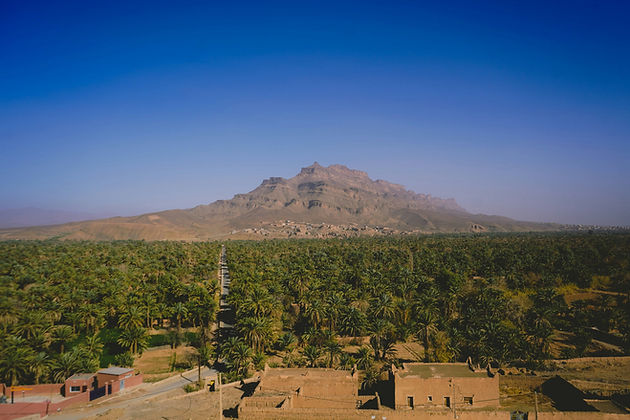
- A vast palm oasis right on the edge of Marrakech, containing hundreds of thousands of date palms, luxury villas, and camel riding trails.
3. Ourika Valley
- A lush, green river valley situated in the foothills just south of Marrakech. It provides a cool escape from the city heat during the summer months.
Historical and Cultural Sites
1. Jemaa el-Fnaa (Marrakech)
- The busiest square in Africa. By day, it is filled with snake charmers and juice stalls. By night, it transforms into a massive open-air food court thick with barbecue smoke and musicians.
2. Chouara Tannery (Fes)
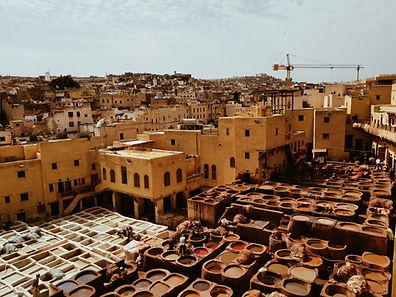
- The largest and oldest leather tannery in the city. Workers still dye animal hides in massive stone vats using pigeon droppings and natural pigments, exactly as they did centuries ago.
3. Volubilis
- The incredibly well-preserved ruins of a major Roman city located near Meknes, famous for its large, intact mosaic floors lying open to the sky.
4. Bahia Palace (Marrakech)
- A stunning 19th-century palace featuring intricate stucco work, painted cedar ceilings, and expansive tiled courtyards.
Unique Experiences
1. Getting Lost in the Fes Medina
- Putting your map away and wandering through the chaotic, medieval alleys of Fes el-Bali, dodging donkeys carrying supplies and listening to coppersmiths hammer metal.
2. Sleeping in a Traditional Riad
- Staying in a centuries-old Moroccan house where the outside walls are completely blank, but the inside opens up to a stunning courtyard with orange trees and a central fountain.
3. Experiencing a Local Hammam
- Getting scrubbed down with black olive soap and an exfoliating kessa glove in a steamy, traditional public bathhouse.
-
The best way to explore major cities and must-see attractions is by booking guided tours.* They offer convenience, local insights, and often save time when visiting popular sights.
The Palmeraie
Unique Accomondations/Foodspots
Accommodations
Kasbah Tamadot
Location: Asni, Atlas Mountains, Morocco Highlands
A magnificent luxury retreat perched high in the majestic Atlas Mountains, owned by Sir Richard Branson, featuring traditional Berber-inspired architecture, beautiful courtyard gardens, and panoramic mountain views.
Restaurants / Bars
As Restaurant
Location: Kasbah Tamadot, Asni, Morocco Highlands
An enchanting mountain-view dining terrace, celebrated for its refined interpretations of traditional Moroccan tagines, local spiced dishes, and fresh produce harvested directly from the surrounding highland valleys.
Tours to do
1. The Imperial Cities Train Route
- Fly into Marrakech for three days of chaotic souks, take the comfortable ONCF train north to the quiet ruins of Meknes, and finish by navigating the massive ancient labyrinth of Fes.
Best Time: April to May.
Average Cost: $350 – $700 per person.
2. The Red City and Stone Desert Escape
- Spend four days exploring the palaces, gardens, and markets of Marrakech, then take a short drive out to the Agafay Desert to spend a night in a luxury canvas tent under the stars.
Best Time: September to November.
Average Cost: $400 – $800 per person.
Agafay Desert
How to get around
1. ONCF Trains
- The best way to travel between Marrakech, Meknes, and Fes. The trains are very cheap, reliable, and comfortable. Always pay a few extra dollars for a first-class ticket to get an assigned, air-conditioned seat.
2. Petit Taxis
- Small city taxis (usually Dacia Logans). They are strictly for trips inside the city limits. Always insist the driver turns on the meter (compteur); if they refuse, simply get out and find another one.
3. Walking the Medinas
- Cars cannot enter the old medinas. You must explore on foot. Wear sturdy shoes, and always stay to the right side of the alley when you hear someone yell "Balak!" (Watch out! / Make way!), usually signaling a cart or donkey is coming through.
-
You can find great car rental deals for your vacation on Expedia *
Did you know?
Rose Valley – El Kelaâ M'Gouna hosts an annual valley harvest where millions of wild damask roses are picked to make traditional perfumes.
What to eat
1. Tagine
- A slow-cooked stew made with meat (often lamb or chicken) and vegetables, seasoned with spices.
2. Couscous
- Steamed semolina served with vegetables and meat, a staple dish in Moroccan cuisine.
3. Harira
- A hearty soup made with tomatoes, lentils, chickpeas, and spices, often enjoyed during Ramadan.
4. Pastilla
- A savory pastry filled with pigeon or chicken, nuts, and spices, topped with powdered sugar.
5. Mint Tea
- A sweetened green tea with fresh mint, served as a traditional drink.
Tagine

Flights
Flight prices are approximate and vary by departure city, airline, and booking time. Check airlines or travel platforms for the latest details.
* Please note: All prices are rough estimates for orientation purposes only and may vary by region.
Main Airport: Marrakech Menara Airport (RAK)
Flight Prices and Seasons
From Europe:
- Average Round-Trip Cost: $80 to $250 (Massive volume of cheap, direct flights from London, Paris, Madrid, and Berlin via Ryanair and EasyJet).
- Cheapest Months: November and January.
- Peak Prices: April, October, and Christmas.
From North America:
- Average Round-Trip Cost: $700 to $1,200 (Direct flights from New York to Marrakech, or connecting through Casablanca).
- Cheapest Months: February and November.
- Peak Prices: June, July, and December.
From Asia:
- Average Round-Trip Cost: $850 to $1,500 (Requires a connection through the Middle East or European hubs).
- Cheapest Months: May and November.
- Peak Prices: August and Lunar New Year.
From Australia (Domestic/Oceania):
- Average Round-Trip Cost: $1,500 to $2,300 (Long journeys requiring at least two stops).
- Cheapest Months: May and October.
- Peak Prices: December and January.
From Africa:
- Average Round-Trip Cost: $400 to $800 (Connecting through Casablanca).
- Cheapest Months: March and September.
- Peak Prices: July and August.
-
You can find the best flight deals with Skyscanner or plan the whole vacation, including flights, transportation, hotels and tours with Expedia *
Airport Location
Visa
1. Visa Requirement
- Many travelers, including citizens of the U.S., Canada, the U.K., and Australia, do not need a visa for short visits.
2. Visa-Free Entry
- Citizens from several countries can enter visa-free for stays of up to 90 days.
3. Visa Application
- Travelers from countries that require a visa must apply for a Moroccan visa at a Moroccan embassy or consulate before traveling.
4. Types of Visa
- Common visa types include a Tourist Visa: Typically valid for short stays, usually up to 90 days.
5. Processing Time
- Visa processing can take from 5 to 10 business days, so it’s advisable to apply well in advance if required.
6. Duration of Stay
- Visa-free visitors can stay for up to 90 days; visa holders should refer to their specific visa for duration.
7. Health Requirements
- No specific vaccinations are generally required for entry, but travel insurance is recommended.
Important things to know
1. Payments
- The local currency is the Moroccan Dirham (MAD). Credit cards are accepted in urban areas.
2. Tap Water
- Tap water is generally not safe to drink. Bottled water is recommended.
3. Electricity
- The voltage is 220V, and plug types C and E (two round pins) are used. An adapter may be needed for devices from other regions.
4. Tipping in Restaurants
- Tipping is customary, usually around 10%.
5. SIM Cards
- Local SIM cards are available from providers like Maroc Telecom and Inwi. They can be purchased at stores.
6. Driving Side
- In Morocco, people drive on the right side of the road.
Souveniers
1. Moroccan Leather Goods
- From handcrafted bags and shoes to intricate poufs and jackets, Moroccan leather goods are prized for their quality and craftsmanship.
2. Argan Oil
- Used for skincare, haircare, and even cooking, Argan oil is native to Morocco and is considered one of the best in the world.
3. Berber Rugs
- Woven by Berber women, these unique, colorful rugs have distinctive patterns and are perfect for adding an exotic touch to any home.
Berber Rugs

*AI-generated illustration
Location
Reviews
You already visited this country? Share your experiences with others! Tell us what’s worth seeing, what to skip, the things you wish you knew before your trip, what surprised you, what do you wish you knew earlier? Leave a review and help others plan smarter. Thanks in advance! :))