


Country Info | Read more

Flags are sourced from free platforms like flagpedia.net
Malaysia (Mainland East)
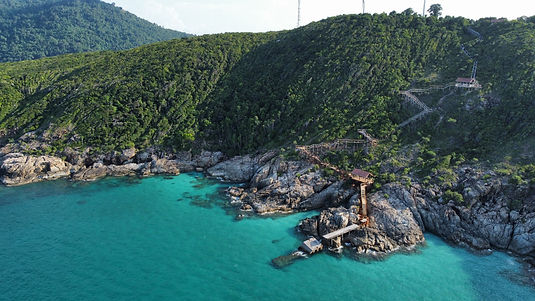
Steeped in traditional Malay culture and laid-back village life, this unspoiled coastline is famous for its pristine beaches and stunning tropical islands like the Perhentians and Tioman—though it largely shuts down during the heavy winter monsoon.
* Affiliate links are marked with an asterisk (*). We may earn a commission at no extra cost to you.
Photos without credits are sourced from free platforms like Unsplash and Pexels


Summary
Neighboring Countries
Did you know?
Turtle Sanctuary – The beaches of Cherating host a famous sea sanctuary where endangered green turtles crawl ashore at night to lay their eggs.
Overview
Months
March, April, May, June, July, September, October
Vacation type
Beach, Couple, Family, Rainforest, Party, Diving/Snorkeling
Expenses
0-50€, <150€, <200€, <100€, Over 200€
Temperature
25-30°C
Rainfall
100-150mm, 150-200mm
Safety
Safe
Continent
Asia
Currency
Malaysian ringgit
Languages
English, Malay
Currency Converter
When to visit
The best time to visit is during the dry season from March to October. During these months, the seas are calm, the water clarity for diving is excellent, and daytime temperatures sit comfortably around 28°C to 32°C (82°F to 90°F).
The Northeast Monsoon dictates the off-peak season, hitting the East Coast hard from November to February. During this time, torrential rain and rough, dangerous seas pound the coastline. Crucially, almost all island resorts, dive shops, and ferry services completely shut down during these months. Unless you are heading to Cherating specifically to surf the monsoon waves, the East Coast islands and beaches are essentially off-limits for tourism until the weather breaks in March.
-
Plan the whole vacation, including flights, transportation, hotels and tours with Expedia *

Climate Data
Peak Season: March to October (Dry Season)
Average Sunny Hours per Day: 7 to 9 hours.
Rain Frequency: 5 to 9 days per month.
Rainy Hours per Day: 1 to 2 hours.
Intensity: Short, sharp afternoon tropical showers.
Duration: Rains usually clear up quickly, leaving behind bright skies and warm, humid evenings perfectly suited for night markets and beachside dining.
Off-Peak Season: November to February (Northeast Monsoon)
Average Sunny Hours per Day: 3 to 5 hours.
Rain Frequency: 18 to 24 days per month.
Rainy Hours per Day: 4 to 8 hours.
Intensity: Heavy, relentless downpours and gale-force coastal winds.
Duration: Rain can fall continuously for days at a time, causing localized flooding in low-lying mainland towns and making offshore island travel impossible.
Climate Chart

Data Source: CRU Time Seriesv4.07
https://catalogue.ceda.ac.uk/uuid/5fda109ab71947b6b7724077bf7eb753
ClimateCharts.net
Weather, Crowds and Costs
Per one person
Tourist Season: March-October
Budget Vacation ($30-55/day)
Accommodation: $12-25/night (backpacker dorms on Perhentian Kecil, basic mainland guesthouses).
Food: $8-15/day (local night markets, bowls of laksa, fish crackers).
Activities: $5-10/day (snorkeling from the beach, jungle hiking, visiting mainland mosques).
Transportation: $5-10/day (local stage buses, shared taxi rides to jetties).
Other Costs: $3/day (bottled water, iced tea).
Mid-Range Vacation ($80-160/day)
Accommodation: $50-100/night (comfortable air-conditioned island chalets, 3-star and 4-star mainland hotels).
Food: $20-40/day (seafood barbecue dinners, indoor cafe lunches).
Activities: $25-50/day (guided boat snorkeling trips, cultural workshops, turtle sanctuary donations).
Transportation: $15-30/day (express intercity buses, island ferry transfers, local Grab rides).
Other Costs: $6/day (tips, fresh fruit, coffee).
Luxury Vacation ($250-600+/day)
Accommodation: $150-450+/night (luxury eco-resorts on Tioman or Redang, premium beachfront villas in Cherating).
Food: $70-120/day (high-end resort dining, private seafood banquets).
Activities: $80-150+/day (private scuba diving charters, exclusive mangrove boat tours, spa wellness days).
Transportation: $50-100/day (private airport transfers, private speedboat charters to the islands).
Other Costs: $20+/day (spa treatments, artisan batik or songket silk).
Off-Peak Season: November-February
Budget Vacation ($22-42/day)
Accommodation: $10-18/night (discounted mainland hostel bunks and budget hotels).
Food: $7-12/day (indoor food courts, neighborhood eateries).
Activities: $3-8/day (free indoor museums, covered markets).
Transportation: $3-6/day (local buses, short taxi hops).
Other Costs: $2/day (hot drinks, umbrella).
Mid-Range Vacation ($55-120/day)
Accommodation: $35-70/night (solid mainland hotels at low-season rates).
Food: $15-30/day (casual indoor dining, hotel restaurants).
Activities: $10-25/day (surfboard rentals in Cherating, cultural center visits).
Transportation: $8-15/day (ride-hailing, intercity buses).
Other Costs: $4/day (coffee, rain poncho).
Luxury Vacation ($150-350+/day)
Accommodation: $100-220+/night (premium mainland business or resort hotels offering heavy monsoon discounts).
Food: $45-80/day (fine dining in hotel restaurants).
Activities: $40-80/day (private cultural guides, indoor spa days).
Transportation: $30-65/day (air-conditioned private transfers).
Other Costs: $15/day (local crafts, artisan shopping).
-
You can find accomendations that fit your trip and budget on Booking.com, Vrbo and Hotels.com


Best Regions to visit
Cities
1. Kota Bharu
- The highly conservative cultural capital of Kelantan state in the deep northeast, renowned for its bustling central market, traditional kite-making, and rich Malay heritage.
2. Kuala Terengganu
- A relaxed coastal city that serves as the gateway to Redang Island, famous for its Islamic architecture and traditional boat-building yards.
3. Kuantan
- The largest city on the East Coast and capital of Pahang state, featuring modern amenities alongside the nearby Teluk Cempedak beach.
4. Cherating
- A laid-back coastal village north of Kuantan that transforms into a popular surf town during the winter monsoon months when the waves pick up.
Kota Bharu

Did you know?
Whispering Sand Beach – Pantai Teluk Mak Nik is known for its fine sand that makes a strange squeaking or whistling sound when you walk on it.
Islands
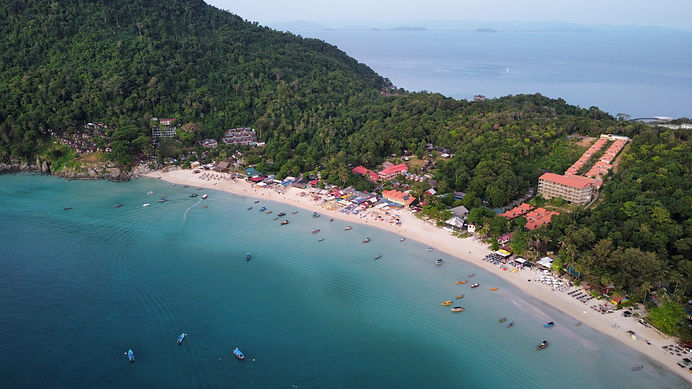
1. Perhentian Islands (Kecil & Besar)
- A backpacker and diving paradise near the Thai border. Kecil (Small) is famous for its vibrant nightlife and budget chalets, while Besar (Large) caters to a quieter, more upscale crowd.
2. Redang Island
- A larger, resort-heavy island known for having some of the clearest water and whitest sand in Peninsular Malaysia, highly popular for packaged snorkeling holidays.
3. Tioman Island
- A densely forested, mountainous island in the south (accessed via Mersing), ringed by coral reefs and dotted with quiet, isolated beach villages.
4. Kapas Island
- A tiny, idyllic, and highly underdeveloped island just a 15-minute boat ride from the mainland, offering absolute tranquility and excellent shore snorkeling.
-
Find the perfect place to stay in any of these top cities and islands with Booking.com, Hotels.com and Vrbo – offering entire homes and apartments for a comfortable and private experience.
Perhentian Islands
Things to see
Natural Attractions
1. Tasik Kenyir (Lake Kenyir)
- The largest man-made lake in Southeast Asia, located deep in the Terengganu jungle, featuring limestone caves, waterfalls, and floating resorts.
2. Setiu Wetlands
- A vital, diverse coastal ecosystem in Terengganu where rivers, lagoons, and the ocean meet, acting as a crucial nesting ground for painted terrapins and sea turtles.
3. Endau-Rompin National Park
- A rugged, ancient lowland dipterocarp forest bordering Pahang and Johor, known for its pristine waterfalls and populations of elusive Malayan tigers and elephants.
Historical and Cultural Sites
1. Crystal Mosque (Masjid Kristal)
- A stunning, modern mosque in Kuala Terengganu built almost entirely from steel, glass, and crystal, which reflects beautifully in the surrounding river at sunset.
2. Pasar Siti Khadijah
- The vibrant, multi-story central market in Kota Bharu. It is uniquely dominated by female vendors selling everything from fresh produce to bright textiles and local snacks.
3. Terengganu State Museum
- The largest museum complex in Southeast Asia, designed to look like a traditional Malay palace on stilts, housing incredible artifacts of regional maritime and Islamic history.
Unique Experiences
1. Flying a Wau Bulan
- Watching locals in Kelantan construct and fly the traditional Wau Bulan (Moon Kite)—massive, intricately decorated kites that hum as the coastal wind catches them.
2. Surfing the Monsoon
- Heading to Cherating between November and January to surf the strong, consistent waves churned up by the Northeast Monsoon.
3. Learning Traditional Batik
- Taking a workshop in a local coastal village to learn the ancient art of Batik, drawing intricate floral designs on silk using hot liquid wax and vivid dyes.n
-
The best way to explore major cities and must-see attractions is by booking guided tours.* They offer convenience, local insights, and often save time when visiting popular sights.
Tasik Kenyir

Unique Accomondations/Foodspots
Accommodations
Tanjong Jara Resort
Location: Dungun, Terengganu
An exquisite luxury sanctuary designed in the style of a 17th-century Malay palace, nestled along a pristine crescent of golden beach facing the South China Sea, offering immersive cultural traditions, tranquil pools, and deep coastal serenity.
Restaurants / Bars
Nelayan Restaurant
Location: Tanjong Jara Resort, Terengganu
A charming open-air dining pavilion set right at the edge of the sea, celebrated for its authentic Terengganu Malay cuisine, fresh daily catches, and traditional local spices enjoyed against the backdrop of ocean breezes.
Tours to do
1. The Deep North Cultural & Island Escape
- Fly into Kota Bharu to explore the vibrant market and Kelantanese food culture, take a bus south to the Kuala Besut jetty, and spend four days diving and relaxing on the Perhentian Islands.
Best Time: April to September.
Average Cost: $350 – $750 per person.
2. The East Coast Road Trip
- Head north along the coastal road to surf in Cherating, eat seafood in Kuala Terengganu, and take a boat out to Kapas Island.
Best Time: March to October (for islands) or December (for Cherating surfing).
Average Cost: $450 – $850 per person.
Kuala Terengganu

How to get around
1. East Coast Expressway (LPT)
- A modern, high-speed toll highway that connects Kuala Lumpur directly to Kuantan and continues north all the way to Kuala Terengganu, making road trips from the West Coast very easy.
2. Island Ferries and Speedboats
- Ferries depart from specific mainland jetties (Kuala Besut for Perhentian; Merang or Kuala Terengganu for Redang; Marang for Kapas; Mersing for Tioman). Always book boat tickets in advance during peak summer months.
3. The Jungle Railway
- The KTM East Coast Line runs from Gemas (in the south) up to Tumpat (near Kota Bharu). It is a slow, incredibly scenic train ride that cuts straight through the dense mountainous interior of the peninsula.
4. Intercity Buses
- Comfortable, air-conditioned express buses connect all major East Coast towns with Kuala Lumpur, Penang, and Singapore.
-
You can find great car rental deals for your vacation on Expedia *
Did you know?
Traditional Kites – The region is famous for massive, intricately decorated crescent-shaped kites called wau bulan that are flown high above coastal fields.
What to eat
1. Nasi Lemak
- Coconut milk rice served with sambal, fried anchovies, peanuts, and boiled eggs, a national dish.
2. Rendang
- A spicy beef stew slow-cooked in coconut milk and spices, showcasing rich flavors.
3. Char Kway Teow
- Stir-fried flat rice noodles with shrimp, Chinese sausage, and bean sprouts, a popular street food.
4. Laksa
- A spicy noodle soup with coconut milk and shrimp or chicken, known for its bold flavors.
5. Roti Canai
- Flaky flatbread served with dhal or curry, commonly enjoyed for breakfast.
Nasi Lemak

Flights
Flight prices are approximate and vary by departure city, airline, and booking time. Check airlines or travel platforms for the latest details.
* Please note: All prices are rough estimates for orientation purposes only and may vary by region.
Main Airport: Kuala Lumpur International Airport (KUL)
(Note: To reach the East Coast, most international travelers fly into KUL and take a short 45-minute domestic flight to regional airports like Kota Bharu, Kuala Terengganu, or Kuantan).
Flight Prices and Seasons:
From Europe
- Average Round-Trip Cost: €400 to €800.
- Cheapest Months: February to March and September to November.
- Peak Prices: Summer (June to August) and December holidays.
From North America
- Average Round-Trip Cost: $700 to $1,200.
- Cheapest Months: February to March and September to November.
- Peak Prices: Summer and December holidays.
From Asia
- Average Round-Trip Cost: $200 to $500.
- Cheapest Months: February to March and October.
- Peak Prices: December holidays and summer months.
From Australia
- Average Round-Trip Cost: $300 to $600.
- Cheapest Months: February to March and September.
- Peak Prices: December holidays and summer months.
From Africa
- Average Round-Trip Cost: $500 to $1,000.
- Cheapest Months: February to March and September.
- Peak Prices: Summer and December holidays.
-
You can find the best flight deals with Skyscanner or plan the whole vacation, including flights, transportation, hotels and tours with Expedia *
Airport Location
Visa
1. Visa Requirement
- Many travelers, including citizens of the U.S., Canada, the U.K., and Australia, do not need a visa for short visits.
2. Visa-Free Entry
- Citizens from several countries can enter visa-free for stays ranging from 30 to 90 days, depending on nationality.
3. Visa Application
- Travelers from countries that require a visa must apply for a Malaysia visa at a Malaysian embassy or consulate before traveling.
4. Types of Visa
- Common visa types include a Tourist Visa: Valid for short stays, typically up to 30 or 90 days.
5. Processing Time
- Visa processing can take from 1 to 10 business days, so it’s advisable to apply in advance if required.
6. Duration of Stay
- Visa-free visitors can stay for up to 30 to 90 days; visa holders can stay for the duration specified in their visa.
7. Health Requirements
- No specific vaccinations are required for entry, but travel insurance is recommended.
Important things to know
1. Payments
- The local currency is the Malaysian Ringgit (MYR). Credit cards are widely accepted.
2. Tap Water
- Tap water is generally not safe to drink. Bottled water is recommended.
3. Electricity
- The voltage is 240V, and plug type G (three rectangular pins) is used. An adapter may be needed for devices from other regions.
4. Tipping in Restaurants
- Tipping is not customary, but rounding up the bill is appreciated.
5. SIM Cards
- Local SIM cards are available from providers like Celcom and Maxis. They can be purchased at stores.
6. Driving Side
- In Malaysia, people drive on the left side of the road.
Souveniers
1. Batik Fabric
- Traditional Malaysian batik is hand-dyed with intricate designs, often featuring florals or animal motifs. This beautiful fabric can be made into clothing, scarves, or tapestries.
2. Rattan Handicrafts
- Malaysia is known for its woven rattan products, from baskets to furniture and accessories. These handwoven items make for durable and eco-friendly souvenirs.
3. Pewter Products
- Malaysia produces high-quality pewter, and you can find everything from jewelry to decorative vases and figurines, each expertly crafted.
Pewter Products

*AI-generated illustration
Location
Reviews
You already visited this country? Share your experiences with others! Tell us what’s worth seeing, what to skip, the things you wish you knew before your trip, what surprised you, what do you wish you knew earlier? Leave a review and help others plan smarter. Thanks in advance! :))