


Country Info | Read more

Flags are sourced from free platforms like flagpedia.net
Liberia
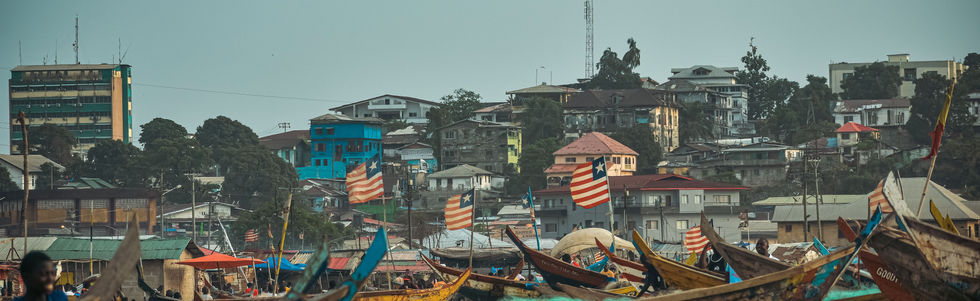
Step into Liberia, a lush haven of surf-perfect breaks and dense, mystical forests. Ride the waves at Robertsport, track rare wildlife in Sapo National Park, and discover a resilient, welcoming spirit.
* Affiliate links are marked with an asterisk (*). We may earn a commission at no extra cost to you.
Photos without credits are sourced from free platforms like Unsplash and Pexels


Summary
Neighboring Countries
Did you know?
American Capital – The capital city, Monrovia, is the only foreign capital in the world named after a US President.
Overview
Months
January, February, March, December
Vacation type
Beach, Rainforest
Expenses
0-50€, <100€, <150€, <200€, Over 200€
Temperature
20-25°C, 25-30°C, Over 30°C
Rainfall
0-50mm, 50-100mm
Safety
Medium
Continent
Africa
Currency
Liberian Dollar
Languages
English
Currency Converter
When to visit
The optimal periods for travel to Liberia are the dry season months (December to April). Weather during this timeframe is characterized by hot, sunny days, significantly lower humidity, and a reduction in the heavy coastal overcast that defines the rest of the year. These conditions support overland terrestrial navigation on the country's largely unpaved road network, optimize access to deep primary rainforest reserves, and facilitate prime surfing conditions along the Atlantic coast.
This period corresponds with the highest accessibility to remote national parks, stable operational windows for intercity shared transit, and peak activity at coastal hubs like Robertsport. Accommodation and private transport costs remain consistently high due to a severe lack of established tourism infrastructure and a heavy reliance on imported goods, though tourist volume is extremely low year-round.
The wet season (May to November) brings unrelenting, torrential monsoon rains, making Liberia one of the wettest countries on the African continent. This period severely compromises all overland transit, causing massive structural damage to dirt highways and rendering vast swathes of the interior—including critical access routes to Sapo National Park—completely impassable. Coastal waters become turbulent and heavily silted, functionally halting localized tourism and restricting most travel to the immediate vicinity of Monrovia.
-
Plan the whole vacation, including flights, transportation, hotels and tours with Expedia *

Climate Data
Peak Season (December to April)
Average Sunny Hours per Day: 6 to 8 hours.
Rain Frequency: Infrequent, mostly limited to the beginning or end of the season.
Rainy Hours per Day: Less than 1 hour.
Intensity: Light, brief showers.
Duration: Quick-moving weather fronts that clear rapidly to hot, dusty conditions heavily influenced by the Saharan Harmattan winds in December and January.
Off-Peak Season (May to November)
Average Sunny Hours per Day: 2 to 4 hours.
Rain Frequency: Extremely frequent, with near-continuous daily rainfall during the peak months of July and August.
Rainy Hours per Day: 6 to 12 hours.
Intensity: Torrential, blinding downpours capable of causing immediate, severe flooding in urban centers and massive mudslides in rural terrain.
Duration: Monsoons can persist uninterrupted for days, accompanied by heavy, low-hanging cloud cover.
Climate Chart
_edited_edited_edited_e.jpg)
Data Source: CRU Time Series v4.07
https://catalogue.ceda.ac.uk/uuid/5fda109ab71947b6b7724077bf7eb753
ClimateCharts.net
Weather, Crowds and Costs
Per one person
Tourist Season: December-April
1. Budget Travel ($50-80/day)
Accommodation: $25-45/night (basic, un-air-conditioned guesthouses in Monrovia or simple surf camps in Robertsport).
Food: $10-15/day (local "cookshops" serving heavy portions of rice and leaf-based stews).
Activities: $5-10/day (unguided beach access, local market exploration).
Transportation: $5-10/day (shared yellow taxis, motorcycle "pen-pens" for short urban hops).
Other Costs: $5/day (bottled water, street snacks).
2. Mid-Range Travel ($120-220/day)
Accommodation: $70-130/night (standard, secure hotels with reliable backup generators in Monrovia).
Food: $30-50/day (mid-range restaurants catering to expatriates in the Sinkor district).
Activities: $10-30/day (boat hires, municipal museum entry fees).
Transportation: $10-25/day (chartered three-wheeler "keh-kehs" or dedicated private taxis).
Other Costs: $10-15/day (local goods).
3. Luxury / Expedition Travel ($300+/day)
Accommodation: $150-250+/night (premium, high-security international hotels in Monrovia or upscale beachfront lodges).
Food: $70+/day (upscale international dining, imported liquors).
Activities: $100+/day (private specialized wildlife guides, deep-sea fishing charters).
Transportation: $150+/day (private, fully equipped 4x4 vehicles with a dedicated driver).
Other Costs: $20+/day (premium artifacts, imported supplies).
Off-Peak Season: May-November
1. Budget Travel ($40-70/day)
Accommodation: $20-35/night (basic lodgings; many rural camps may close).
Food: $10-15/day (local cookshops).
Activities: $5-10/day (indoor municipal sites).
Transportation: $5-10/day (shared urban transit).
Other Costs: $5/day (incidentals).
2. Mid-Range Travel ($100-180/day)
Accommodation: $60-110/night (standard business hotels).
Food: $25-40/day (standard restaurants).
Activities: $10-20/day (accessible indoor guided tours).
Transportation: $15-30/day (private chartered taxis).
Other Costs: $5-10/day (goods).
3. Luxury / Expedition Travel ($250+/day)
Accommodation: $150+/night (premium urban hotels).
Food: $60+/day (premium dining).
Activities: $60+/day (private guided logistics focused strictly on paved-access sites).
Transportation: $120+/day (private secure 4x4 transit).
Other Costs: $15+/day (premium goods).
-
You can find accomendations that fit your trip and budget on Booking.com, Vrbo and Hotels.com


Best Regions to visit
Cities
1. Monrovia
- The sprawling, chaotic capital city situated on a peninsula between the Atlantic Ocean and the Mesurado River. It is the administrative and commercial heart of the country, defined by intense traffic, vibrant street markets, and the upscale expatriate neighborhood of Sinkor.
2. Robertsport
- A highly atmospheric coastal town in Grand Cape Mount County, famous globally among dedicated surfers for its consistent left-hand point breaks. It features dilapidated colonial-era architecture and a relaxed, heavily localized tourism scene.
3. Buchanan
- The second-largest city and a critical deep-water port located southeast of Monrovia. It serves as a major industrial hub for iron ore and timber exports, while also offering access to quieter coastal beaches.
4. Gbarnga
- An important commercial and educational hub situated in the central interior (Bong County). It functions as a primary logistical transit point for overland travelers heading further east to the Nimba Mountains or Ivory Coast.
Monrovia

Did you know?
Massive Fleet – Despite its small size, it officially boasts the second-largest registered maritime shipping fleet on Earth.
Islands
1. Providence Island
- A small, highly significant historical island situated in the Mesurado River estuary within Monrovia. It marks the exact location where freed American slaves, sponsored by the American Colonization Society, first successfully settled in 1822.
2. Monkey Island (Marshall Islands)
- A series of small, estuarine mangrove islands located on the Farmington River near Marshall. They are inhabited by colonies of retired, historically infected laboratory chimpanzees that are now fed and monitored by local conservationists.
3. Bushrod Island
- A massive, heavily industrialized island forming the northern half of Monrovia's coastal urban sprawl. It houses the Free Port of Monrovia and critical national infrastructure, though it holds little traditional tourist appeal.
-
Find the perfect place to stay in any of these top cities and islands with Booking.com, Hotels.com and Vrbo – offering entire homes and apartments for a comfortable and private experience.
Marshall Island

Photo By Erik Cleves Kristensen https://commons.wikimedia.org/wiki/File:Marshall_Liberia.jpg
Things to see
Natural Attractions
1. Sapo National Park
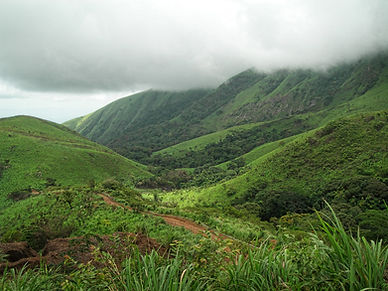
- The country's largest protected area and one of the most intact blocks of primary Upper Guinean rainforest remaining in West Africa. It is extremely remote and harbors highly elusive populations of pygmy hippopotamuses, forest elephants, and western chimpanzees.
2. Mount Nimba Strict Nature Reserve
- A spectacular, UNESCO-recognized mountainous terrain shared with Guinea and Ivory Coast. The steep slopes support exceptionally high endemic biodiversity and offer the most rugged terrestrial trekking in the country.
3. Kpatawee Waterfalls
- A highly accessible and picturesque cascading waterfall located deep in the central forest of Bong County. It serves as a popular weekend retreat for locals and expats, featuring basic eco-lodge infrastructure.
4. Lake Piso
- The largest lake in Liberia, located near Robertsport. It is a massive tidal lagoon surrounded by forested hills, providing critical habitat for migratory birds and serving as a vital fishing ground for local communities.
Historical and Cultural Sites
1. The Ducor Palace Hotel Ruins
- Once the most luxurious five-star hotel in West Africa, this massive, abandoned brutalist structure sits atop the highest point in Monrovia. Though decaying, it offers the best panoramic views over the city and the Atlantic Ocean.
2. Centennial Memorial Pavilion
- A highly prominent national monument located in downtown Monrovia, featuring statues of past leaders and serving as the traditional, solemn site for the inauguration of Liberian presidents.
3. Liberian National Museum
- Housed in the former Supreme Court building in Monrovia, this modest institution preserves vital cultural artifacts, traditional masks, and historical documents detailing the country's unique founding and complex civil war history.
Unique Experiences
1. Surfing the Point Breaks of Robertsport
- Riding world-class, uncrowded ocean waves at spots like Cassava Point and Cotton Trees, followed by eating fresh, locally caught barracuda at beachfront surf camps.
2. Feeding the Chimps of Monkey Island
- Chartering a motorized dugout canoe in Marshall to slowly approach the mangrove islands, where visitors can safely throw bananas to the vocal, highly visible colonies of resident chimpanzees from the water.
3. Trekking the Nimba Mountains
- Executing a demanding, high-altitude terrestrial hike to the tri-border peak, requiring intense physical exertion and local guides to navigate the dense, cloud-covered forest trails.
4. Exploring Waterside Market
- Navigating the incredibly dense, chaotic, and vibrant commercial labyrinth of central Monrovia's largest market, where everything from traditional textiles to imported electronics is aggressively bartered.
-
The best way to explore major cities and must-see attractions is by booking guided tours.* They offer convenience, local insights, and often save time when visiting popular sights.
Unique Accomondations/Foodspots
Accommodations
RLJ Kendeja Resort & Villas
Location: Monrovia
A tranquil beachfront oasis situated just outside the capital, featuring stylish thatched-roof villas inspired by traditional West African architecture, lush tropical gardens, and a stunning pool overlooking the Atlantic Ocean.
Restaurants/Bars
The Living Room
Location: Mamba Point, Monrovia
A vibrant and popular upscale social hub and restaurant known for its lively atmosphere, delicious continental and local dishes, and refreshing craft cocktails right in the heart of Monrovia's diplomatic district.
Tours to do
1. The Sapo Rainforest Survey
- An extreme, logistical deep-field operation requiring specialized 4x4 transport, multiple days of rugged overland transit, and organized government permits to trek deep into the primary jungle.
Best Time: January to March
Average Cost: $800 – $1,500+ per person (heavily dependent on vehicle charter costs)
2. The Coastal Surf Circuit
- A localized, relaxed operational route focusing entirely on the western coastline, moving from Monrovia up to the beaches, surf camps, and historical ruins of Robertsport.
Best Time: May to October (for the largest swells, despite the rain)
Average Cost: $300 – $600 per person
3. The Nimba Iron Route
- An interior transit operation driving from Monrovia through Gbarnga up to the northern mining town of Yekepa, utilizing it as a basecamp to explore the Mount Nimba reserve.
Best Time: December to April
Average Cost: $500 – $900 per person
Sapo Rainforest

How to get around
1. Private 4x4 Vehicles
- Securing a heavy-duty, high-clearance four-wheel-drive vehicle with an experienced local driver is the absolute, mandatory standard for any travel outside the immediate Monrovia-Buchanan paved corridor.
2. Keh-Kehs
- Imported yellow motorized tricycles (tuk-tuks) operate as the most efficient, safe, and cost-effective method of navigating the severe traffic gridlock within Monrovia.
3. Shared Taxis
- Overcrowded passenger sedans that operate from central "parking spaces" (garages) for intercity transit. They depart only when packed to maximum capacity and prioritize speed over safety.
4. Pen-Pens (Motorcycle Taxis)
- Ubiquitous two-wheeled taxis that bypass all traffic laws. While they are the fastest way to traverse the city, they possess an exceptionally high accident rate and are heavily discouraged for foreign tourists.
-
You can find great car rental deals for your vacation on Expedia *
Did you know?
Rubber Giant – It is home to the absolute largest continuous rubber plantation in the entire world.
What to eat
1. Fufu and Soup
- The absolute cornerstone of the Liberian diet. A dense, sticky, fermented dough made from cassava, swallowed without chewing, and served submerged in intensely spicy, complex broths like Pepper Soup or Palm Butter Soup.
2. Cassava Leaf Stew
- A ubiquitous, thick, dark green stew made from thoroughly pounded cassava leaves, heavily cooked down with red palm oil, dried fish, and various meats, always served over a massive mound of white rice.
3. Jollof Rice (Liberian Style)
- A rich, heavily spiced one-pot rice dish distinct from its West African neighbors by its heavy inclusion of mixed proteins (beef, chicken, and smoked fish all cooked into the same pot) and robust smoky flavor.
4. Torborgee
- A distinctly Liberian, highly acquired-taste stew hailing from Lofa County. It is brewed from bitter torborgee beans, intensely heavily dosed with red palm oil and local baking soda (country soda), and mixed with meat.
Fufu

Flights
Flight prices are approximate and vary by departure city, airline, and booking time. Check airlines or travel platforms for the latest details.
* Please note: All prices are rough estimates for orientation purposes only and may vary by region.
Main Airport: Roberts International Airport (ROB)
Flight Prices and Seasons:
From Europe
- Average Round-Trip Cost: €700 to €1,300 (Routed primarily via Brussels Airlines or connecting through Casablanca).
- Cheapest Months: February and March.
- Peak Prices: July, August, and late December.
From North America
- Average Round-Trip Cost: $1,200 to $2,200 (Typically routed via Brussels, Addis Ababa, or Casablanca).
- Cheapest Months: October and November.
- Peak Prices: June, July, and December.
From Asia
- Average Round-Trip Cost: $1,500 to $2,600 (Routed via Addis Ababa or Dubai).
- Cheapest Months: March and May.
- Peak Prices: December and January.
From Australia
- Average Round-Trip Cost: $2,200 to $3,800 (Routed via major Middle Eastern and European hubs).
- Cheapest Months: May and November.
- Peak Prices: December and January.
From Africa
- Average Round-Trip Cost: $300 to $800 (Excellent connectivity via ASKY Airlines, Kenya Airways, and Air Côte d'Ivoire linking to Accra, Abidjan, and Lomé).
- Cheapest Months: September and October.
- Peak Prices: August and December.
-
You can find the best flight deals with Skyscanner or plan the whole vacation, including flights, transportation, hotels and tours with Expedia *
Airport Location
Visa
1. Visa Requirement
- A visa is strictly required for almost all foreign nationals prior to arrival, excluding citizens of ECOWAS member states. If a traveler arrives without pre-authorization, immediate deportation is highly likely.
2. Consular Processing
- Travelers must apply for a visa at a Liberian embassy or consulate. If a traveler resides in a country without a Liberian diplomatic mission, they are eligible to apply for a Visa on Arrival (VoA) via a dedicated government electronic portal; this VoA is exclusively valid for entry at Roberts International Airport (ROB).
3. Required Documentatio
- Entry rnequires a passport valid for at least six months beyond the date of entry, a confirmed return flight ticket, and physical proof of vaccination.
4. Health Requirements
- An International Certificate of Vaccination (Yellow Card) showing proof of Yellow Fever vaccination is legally mandatory and rigorously checked upon arrival. Comprehensive malaria prophylaxis is heavily advised due to severe, year-round transmission risks, and travelers must monitor ongoing regional health alerts regarding Mpox.
5. Travel Insurance
- Procuring premium medical insurance with explicit coverage for emergency medical evacuation is an absolute operational necessity, as domestic advanced trauma and surgical facilities are critically substandard.
Important things to know
1. Payments
- The economy operates on a dual-currency system utilizing both Liberian Dollars (LRD) and US Dollars (USD). Bills must be unmarked, uncreased, and printed after 2006. The economy is aggressively cash-based; credit card acceptance is strictly limited to premium hotels and a few major supermarkets in the capital. ATMs are scarce and unreliable.
2. Tap Water
- Municipal tap water is biologically unsafe and poses severe health risks. Strict, absolute reliance on commercially sealed bottled water or heavy-duty filtration is required for drinking and brushing teeth.
3. Electricity
- The standard voltage is 120V/240V. Plug types A, B, and F are utilized. The national power grid is highly unstable, localized, and suffers frequent, daily outages. All functional tourist accommodations rely heavily on massive diesel backup generators.
4. Tipping
- Tipping is not a formal requirement but is heavily appreciated. Leaving 10% in mid-range or upscale restaurants is standard, while rounding up fares or leaving small denomination notes for guards and baggage handlers is expected.
5. SIM Cards
- Telecommunication providers (Lonestar Cell MTN and Orange) dominate the market. Tourists must purchase and register SIM cards using their passports. 4G connectivity is generally stable in Monrovia but degrades rapidly to basic 2G or zero signal in the deep interior.
6. Driving Side
- Vehicles operate on the right side of the road.
Souveniers
1. Dan (Gio) Masks
- Intricately carved, highly polished wooden masks produced by the Dan people of the northern Nimba region. They are traditionally believed to embody potent forest spirits and are highly sought after by international art collectors.
2. Country Cloth
- A thick, heavy, traditional textile hand-woven on small looms from locally grown cotton. It is typically dyed using natural indigo and features distinct, bold, strip-woven patterns.
3. Soapstone Carvings
- Small, heavy, and smooth localized sculptures carved from natural soapstone, often depicting everyday village scenes, local wildlife, or abstract human figures.
Dan (Gio) Masks

Location
Reviews
You already visited this country? Share your experiences with others! Tell us what’s worth seeing, what to skip, the things you wish you knew before your trip, what surprised you, what do you wish you knew earlier? Leave a review and help others plan smarter. Thanks in advance! :))