


Country Info | Read more

Flags are sourced from free platforms like flagpedia.net
Jeju Island (South Korea)
Discover Jeju Island, a captivating volcanic wonder of dramatic coastlines and rolling green tea fields. Hike the majestic Mount Hallasan, marvel at cascading waterfalls, and experience South Korea's ultimate coastal retreat.
* Affiliate links are marked with an asterisk (*). We may earn a commission at no extra cost to you.
Photos without credits are sourced from free platforms like Unsplash and Pexels


Summary
Neighboring Countries
Did you know?
UNESCO Triple Crown - Jeju is the only place on Earth to hold the triple status of World Natural Heritage, Global Geopark, and Biosphere Reserve.
Overview
Months
January, February, March, April, May, October, November, December
Vacation type
Beach, Couple, Family
Expenses
<100€, <150€, <200€, 0-50€, Over 200€
Temperature
0-10°C, 10-20°C, 20-25°C, 25-30°C
Rainfall
0-50mm, 50-100mm
Safety
Safe
Continent
Asia
Currency
Korean Republic won
Languages
Jejueo
Currency Converter
When to visit
The optimal travel periods for Jeju Island are spring (April to May) and autumn (September to October). During spring, daytime temperatures range from 15°C to 20°C. This moderate climate is perfect for viewing the cherry blossoms along Noksan-ro or the yellow canola fields near Seongsan Ilchulbong.
Autumn brings clear skies and comfortable highs between 18°C and 25°C. The dry weather provides excellent conditions for hiking Route 7 of the Olle Trails or scaling the summit of Mount Hallasan to see the seasonal silver grass.
Summer (June to August) marks the peak domestic holiday season. Temperatures regularly exceed 30°C alongside high humidity levels. This timeframe coincides with the monsoon and typhoon season, with rainfall often surpassing 200 mm per month. Despite the heavy rain, coastal spots like Hyeopjae Beach become highly crowded, causing hotel rates to rise by 20% to 30%.
The winter season from December to March is the quietest time to visit. Temperatures drop to 3°C to 10°C, accompanied by strong, chilling winds. While the coast remains mostly clear, heavy snow at higher elevations creates ideal conditions for snow trekking on the Eoseungsaengak Trail. Down in the milder valleys, visitors can also participate in picking winter tangerines in Seogwipo.
-
Plan the whole vacation, including flights, transportation, hotels and tours with Expedia *

Climate Data
Peak Season (April to May / September to October)
Average Sunny Hours per Day: 6 to 8 hours.
Rain Frequency: 6 to 9 days per month.
Rainy Hours per Day: 2 to 3 hours.
Intensity: Light to moderate spring showers or passing autumn rain.
Duration: Generally brief and manageable, offering clear visibility for coastal and mountain activities.
Off-Peak Season (November to March / June to August)
Average Sunny Hours per Day: 4 to 5 hours.
Rain Frequency: 12 to 15 days (Summer) / 5 to 8 days (Winter).
Rainy Hours per Day: 4 to 6 hours (Summer) / 1 to 2 hours (Winter).
Intensity: Torrential summer monsoons and high typhoon risk in August; cold, biting coastal winds and mountain snow in winter.
Duration: Summer rains can cause prolonged localized flooding and flight cancellations; winter precipitation is light but driven by freezing Siberian winds.
Climate Chart
_edited_edited_edited_e.jpg)
Data Source: Global Historical Climatology Network
ClimateCharts.net
Weather, Crowds and Costs
Per one person
Tourist Season: April-May / September-October
1. Basic / Essential Travel ($60-100/day)
Accommodation: $30-50/night (clean, modern youth hostels or basic local guesthouses).
Food: $15-25/day (local markets, convenience store bentos, and traditional noodle soup stalls).
Activities: $5-15/day (hiking national parks, entry to lava tubes or waterfalls).
Transportation: $10-15/day (using the extensive and affordable public bus network).
Other Costs: $5/day (bottled water, snacks).
2. Mid-Range Travel ($150-250/day)
Accommodation: $80-150/night (comfortable 3- to 4-star coastal hotels or modern boutique pensions).
Food: $40-60/day (sit-down seafood meals, traditional black pork BBQ, and trendy coastal cafes).
Activities: $20-40/day (ferry tickets to Udo Island, museum entries, botanical gardens).
Transportation: $30-50/day (renting a standard economy car for independent exploration).
Other Costs: $10-15/day (premium coffee, incidentals).
3. Luxury / Premium Travel ($450 - $800+/day)
Accommodation: $250-500+/night (5-star international luxury resorts in the Jungmun Tourist Complex like The Shilla or Lotte Hotel).
Food: $100-200+/day (premium abalone and sashimi banquets, high-end hotel dining).
Activities: $100-200+/day (private yacht charters, exclusive spa treatments, guided VIP tours).
Transportation: $80-150+/day (hiring a private chauffeured van or renting a premium luxury vehicle).
Other Costs: $20+/day (premium incidentals).
Off-Peak Season: November-March / June-August
1. Basic / Essential Travel ($50-80/day)
Accommodation: $25-40/night.
Food: $15-25/day.
Activities: $5-10/day.
Transportation: $10-15/day.
Other Costs: $5/day.
2. Mid-Range Travel ($120-200/day)
Accommodation: $60-120/night (winter discounts applied).
Food: $30-50/day.
Activities: $20-40/day.
Transportation: $25-40/day (rental car rates drop in winter).
Other Costs: $10/day.
3. Luxury / Premium Travel ($350 - $650+/day)
Accommodation: $180-350+/night.
Food: $80-150/day.
Activities: $80-150/day (indoor museums, hot springs).
Transportation: $60-100/day.
Other Costs: $20/day.
-
You can find accomendations that fit your trip and budget on Booking.com, Vrbo and Hotels.com


Best Regions to visit
Cities
1. Jeju City
- The capital and primary entry point located on the northern coast. It is a bustling, modern urban center featuring the international airport, vibrant shopping districts, and the massive, culturally rich Dongmun Traditional Market.
2. Seogwipo
- The second-largest city, located on the southern coast. It boasts a slightly warmer microclimate, a more relaxed atmosphere, stunning waterfalls plummeting directly into the ocean, and the upscale Jungmun Tourist Complex.

Did you know?
The Sea Women - It is home to the Haenyeo, legendary female free-divers who harvest seafood from the ocean floor without breathing gear, often into their 80s.
Islands
1. Udo Island
- Located just off the eastern coast, this small island resembles a lying cow. It is immensely popular for day trips, featuring incredibly scenic coastal cycling routes, white coral beaches, and famous local peanut ice cream.
2. Marado
- The southernmost point of South Korea. A tiny, rugged, and windswept island accessible by ferry from the southwest coast, known for its steep coastal cliffs and a longstanding tradition of eating black bean noodles (Jajangmyeon) upon arrival.
3. Gapado
- A small, flat island near Marado, celebrated for its spectacular, sweeping fields of green barley that ripple in the ocean wind during the spring months.
-
Find the perfect place to stay in any of these top cities and islands with Booking.com, Hotels.com and Vrbo – offering entire homes and apartments for a comfortable and private experience.
Udo Island

Things to see
Natural Attractions
1. Hallasan National Park
- A massive shield volcano standing at the very center of the island, holding the title of South Korea’s highest peak (1,947 meters). Hiking to its crater lake (Baengnokdam) is a challenging, immensely rewarding full-day trek.
2. Seongsan Ilchulbong (Sunrise Peak)
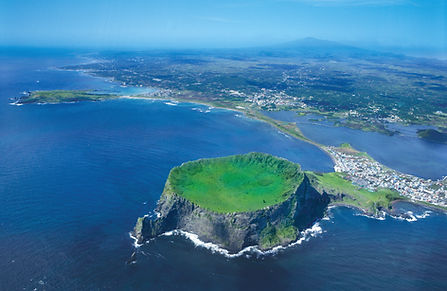
- A dramatic, bowl-shaped tuff cone rising sheer from the ocean on the eastern coast. A UNESCO World Heritage site, it is traditionally climbed in the pre-dawn hours to watch the sunrise over the Pacific.
3. Manjanggul Cave
- One of the finest lava tunnels in the world and another UNESCO site. Visitors can walk through a massive, beautifully lit 1-kilometer section of the cave, marveling at the towering lava stalagmites and unique geological formations.
Historical and Cultural Sites
1. Seongeup Folk Village
- A highly preserved traditional village at the foot of Mount Halla. Unlike a museum, it is a living community where residents still reside in authentic, thick-walled, thatched-roof stone houses designed to withstand violent typhoons.
2. Jeju Haenyeo Museum
- A deeply respectful and fascinating museum dedicated to the culture and history of the Haenyeo—the legendary female free-divers of Jeju who harvest seafood from the ocean floor without breathing apparatus.
3. Jeju Stone Park
- An expansive, beautifully landscaped ecological and cultural park exploring the foundational mythology of the island, heavily featuring the iconic Dol Hareubang statues and the island's unique volcanic geology.
Unique Experiences
1. Walking the Jeju Olle Trails
- Exploring parts of the massive, interconnected network of walking paths that encircle the entire island. The trails pass through tangerine orchards, quiet fishing villages, and dramatic coastal cliffs.
2. Watching the Haenyeo Dive
- Standing on the rocky coastal outcrops (particularly near Seongsan) to watch the incredibly resilient, aging Haenyeo women sing their traditional pre-dive songs and plunge into the freezing ocean to harvest abalone and conch.
3. Picking Hallabong Tangerines
- During the winter and early spring, visiting a local orchard to hand-pick Hallabong—Jeju's signature, highly sweet, and incredibly juicy citrus fruit, easily recognizable by the distinct bump on its stem.
-
The best way to explore major cities and must-see attractions is by booking guided tours.* They offer convenience, local insights, and often save time when visiting popular sights.

Unique Accomondations/Foodspots
Accommodations
Jeju Raon Hotel & Resort
Location: Hallim-eup
An upscale resort blending a relaxed atmosphere with first-class amenities, including indoor pools, a spa, and tennis and basketball courts, ideal for an active getaway.
Restaurants/Bars
88 Pork
Location: Jeju City
A popular dining spot renowned for its high-quality grilled black pork. Its lively atmosphere and late-night hours make it a fantastic destination for experiencing authentic Korean barbecue culture.
Tours to do
1. The Eastern Volcanic Circuit
- A 2-to-3 day driving route focusing heavily on the eastern geology. It includes an early morning climb of Seongsan Ilchulbong, taking the ferry to cycle around Udo Island, and exploring the subterranean Manjanggul Cave.
Best Time: April to May
Average Cost: $250 – $400 per person
2. The Hallasan Summit Trek
- A highly demanding full-day expedition. Hikers must register in advance to tackle the Seongpanak or Gwaneumsa trails, requiring an early morning start to reach the crater lake before the strict afternoon turnaround cutoff times.
Best Time: October to November
Average Cost: $50 – $100 per person (mostly logistics and meals)
How to get around
1. Rental Cars
- The absolute best and most efficient way to explore Jeju. An International Driving Permit (IDP) is strictly and universally mandatory for foreigners. Without the physical booklet, rental agencies will refuse the car.
2. Kakao T (Taxi App)
- The standard ride-hailing application in South Korea. Uber is largely non-functional here. Kakao T allows you to easily hail licensed taxis anywhere on the island and can be linked to international credit cards or paid in cash.
3. Public Bus Network
- Jeju possesses an extensive, highly reliable public bus system that reaches almost all major tourist sites. It is cheap but can be highly time-consuming for traversing long distances compared to driving.
-
You can find great car rental deals for your vacation on Expedia *
Did you know?
Museum Capital - Jeju boasts the world’s highest density of museums, featuring everything from a massive Teddy Bear collection to unique cultural galleries.
What to eat
1. Heuk Dwaeji (Jeju Black Pork)
- The island's most famous culinary export. This native breed of black pig produces heavily marbled, incredibly flavorful meat that is thickly sliced, grilled over charcoal at the table, and dipped in meljeot (a boiling salted anchovy sauce).
2. Jeonbok Juk (Abalone Porridge)
- A deeply comforting, savory rice porridge cooked with fresh abalone and its nutrient-rich green viscera, giving the dish a distinct color and a rich, buttery ocean flavor.
3. Galchi Jorim (Braised Hairtail Fish)
- A highly prized, long, silver fish caught off the coast of Jeju. It is braised in a fiery, sweet, and spicy red chili sauce alongside massive chunks of white radish, served bubbling hot.
4. Omegi Tteok
- The traditional local snack. These are highly textured rice cakes made from glutinous millet, coated in whole red beans, and stuffed with sweet red bean paste or nutty fillings.

Flights
Flight prices are approximate and vary by departure city, airline, and booking time. Check airlines or travel platforms for the latest details.
* Please note: All prices are rough estimates for orientation purposes only and may vary by region.
Main Airport: Jeju International Airport (CJU)
Flight Prices and Seasons:
From Europe
- Average Round-Trip Cost: €800 to €1,400 (Requires connecting through Seoul Incheon [ICN], transferring to Gimpo [GMP] for the domestic leg, or routing via major Asian hubs like Tokyo or Shanghai).
- Cheapest Months: November and March.
- Peak Prices: July, August, and Chuseok (Korean Thanksgiving).
From North America
- Average Round-Trip Cost: $1,200 to $2,000 (Typically connects through Seoul or Tokyo).
- Cheapest Months: February and October.
- Peak Prices: June, July, and December.
From Asia
- Average Round-Trip Cost: $150 to $400 (Massive, cheap connectivity directly into CJU from Tokyo, Taipei, Shanghai, and Singapore).
- Cheapest Months: May and September.
- Peak Prices: Golden Week and Lunar New Year.
From Australia
- Average Round-Trip Cost: $800 to $1,400 (Routed via Seoul, Singapore, or Hong Kong).
- Cheapest Months: May and November.
- Peak Prices: December and January.
From Africa
- Average Round-Trip Cost: $1,200 to $2,200 (Requires long-haul flights into the Middle East or Addis Ababa, onward to Seoul, then connecting to Jeju).
- Cheapest Months: March and September.
- Peak Prices: July and August.
-
You can find the best flight deals with Skyscanner or plan the whole vacation, including flights, transportation, hotels and tours with Expedia *
Airport Location
Visa
1. Visa Requirement
- Most foreign nationals can enter Jeju Island visa-free for up to 30 days under the special Jeju Visa-Free Entry program, provided they fly directly into Jeju International Airport from overseas.
2. Consular Processing
- For direct visa-free entry to Jeju, no embassy visit is required. However, the South Korean government mandated the K-ETA (Korea Electronic Travel Authorization) for visa-exempt nationalities. While exemptions for 22 countries exist through 2026, travelers must verify their K-ETA status before flying. If transiting through mainland Korea (e.g., Incheon), standard mainland visa or K-ETA rules apply immediately.
3. Required Documentation
- A passport valid for at least six months from the entry date, confirmed onward or return flight tickets, proof of accommodation, and an approved K-ETA (if applicable to your nationality).
4. Health Requirements
- No mandatory tropical vaccinations are required. Routine vaccinations are advised. South Korea possesses world-class, highly advanced healthcare and emergency infrastructure.
5. Travel Insurance
- Comprehensive travel medical insurance is strongly advised. While healthcare is excellent, foreign visitors without coverage must pay out-of-pocket, which can be highly expensive for emergency procedures.
Important things to know
1. Payments
- The official currency is the South Korean Won (KRW). The island is overwhelmingly cashless. Major international credit cards (Visa, Mastercard) are universally accepted, and reloading a Tmoney transit card at convenience stores is essential for riding buses.
2. Tap Water
- Municipal tap water is highly treated and biologically safe to drink. However, most locals and tourists prefer to drink filtered water (available in all restaurants) or commercially sealed bottled water due to taste.
3. Electricity
- The standard electrical voltage is 220V with a frequency of 60Hz. South Korea utilizes European-style plug types C and F (two round pins).
4. Tipping
- Tipping is not a part of Korean culture and is generally refused. The price on the bill is final; leaving money on tables at restaurants or attempting to tip taxi drivers can cause confusion or offense.
5. SIM Cards
- South Korea boasts some of the fastest mobile networks on earth. Purchasing a prepaid tourist SIM card or eSIM (from providers like KT, SK Telecom, or LG U+) at the airport is highly recommended for navigation and translation apps.
6. Driving Side
- Vehicles operate on the right side of the road.
Souveniers
1. Dol Hareubang Replicas
- The iconic "Stone Grandfather" statues carved from porous volcanic basalt rock. They feature bulging eyes, a slight smile, and hands resting on their bellies. Small replicas are the definitive Jeju souvenir, historically believed to offer protection and promote fertility.
2. Tangerine-Infused Goods
- Leveraging the island's famous citrus crops, visitors can purchase everything from Hallabong-flavored chocolates and highly fragrant tangerine teas to specialized citrus cosmetics.
3. Volcanic Clay Skincare
- Jeju's unique volcanic scoria (hardened lava packed with minerals) is heavily utilized by the massive South Korean beauty industry. Local shops and brands (most notably Innisfree) sell highly popular volcanic clay masks and facial scrubs.
Dol Hareubang Replicas

Location
Reviews
You already visited this country? Share your experiences with others! Tell us what’s worth seeing, what to skip, the things you wish you knew before your trip, what surprised you, what do you wish you knew earlier? Leave a review and help others plan smarter. Thanks in advance! :))