


Country Info | Read more

Flags are sourced from free platforms like flagpedia.net
Colombia (Caribbean Coast)
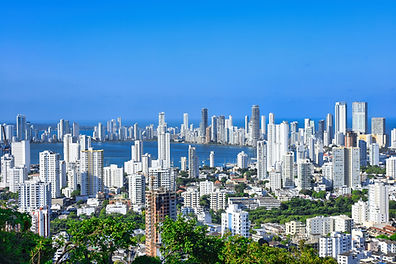
This sunny coast is a tropical paradise of bright white sand and incredibly clear turquoise water. You can hike through lush trails to hidden bays in Tayrona National Park or dance to loud music in a lively beach town. It is perfectly laid-back, colorful, and just impossible not to love.
* Affiliate links are marked with an asterisk (*). We may earn a commission at no extra cost to you.
Photos without credits are sourced from free platforms like Unsplash and Pexels



Summary
Did you know?
Volcanic Mud Bath – Totumo Volcano features a small crater filled with thick, buoyant warm mud where visitors float effortlessly and cannot sink no matter how hard they try.
Overview
Months
January, February, March, April, May, June, July, August, September, December
Vacation type
Beach, Couple, Family, Mountains, Party, Rainforest, Diving/Snorkeling, Surfing
Expenses
0-50€, <150€, <200€, <100€, Over 200€
Temperature
25-30°C
Rainfall
0-50mm, 50-100mm, 100-150mm
Safety
Medium, Dangerous
Continent
South America
Currency
Colombian peso
Languages
Spanish
Currency Converter
When to visit
The best time to visit Colombia’s Caribbean Coast is during the dry winter season from December to April. During these months, northeast trade winds (los alisios) blow across the coast, lowering the heavy humidity, clearing the skies, and keeping rain away. Sea conditions are calm, making this the best time for boat rides to the Rosario and San Bernardo archipelagos, scuba diving in Taganga, and trekking in Tayrona National Park. A secondary, smaller dry window occurs in July and August (known locally as the veranillo de San Juan).
The main rainy season runs from September to November, with October typically seeing the heaviest rainfall. Tropical downpours occur mostly in the mid-to-late afternoon, leaving mornings open for outdoor activities. However, heavy rains in the Sierra Nevada mountains cause coastal rivers to swell, turning ocean water near river mouths brown and making trails in Tayrona and Minca muddy and slick.
The far northern desert of La Guajira receives very little rain overall, but when autumn storms hit, the dry clay flats can flood quickly, cutting off 4x4 tracks to Cabo de la Vela and Punta Gallinas.
-
Plan the whole vacation, including flights, transportation, hotels and tours with Expedia *

Climate Data
Peak Season: December to April (Dry Season / Verano)
Average Sunny Hours per Day: 7 to 9 hours.
Rain Frequency: 2 to 5 days per month.
Rainy Hours per Day: 0 to 1 hour.
Intensity: Brief, isolated coastal showers that pass quickly.
Duration: Days are hot, sunny, and breezy. Temperatures along the beach sit steadily between 28°C and 32°C (82°F to 90°F), with cooler breezes in the evenings.
Off-Peak Season: May to June & September to November (Rainy Season / Invierno)
Average Sunny Hours per Day: 4 to 6 hours.
Rain Frequency: 14 to 20 days per month (peaking in October).
Rainy Hours per Day: 2 to 4 hours.
Intensity: Strong tropical thunderstorms with heavy rain and wind.
Duration: Rain usually hits between 2:00 PM and 5:00 PM and clears by evening, though multi-day cloudy spells occur when tropical depressions move through the Caribbean basin.
Climate Chart

Data Source: Global Historical Climatology Network
ClimateCharts.net
Weather, Crowds and Costs
Per one person
Tourist Season: December-April & July-August
Budget Vacation ($30-55/day)
Accommodation: $12-22/night (hostel dorm bed or hammock in Cartagena’s Getsemaní, Santa Marta, Palomino, or Taganga).
Food: $8-15/day (local fried fish plates, street arepas de huevo, coconut rice at beach stands).
Activities: $5-12/day (self-guided walks on Cartagena’s walls, public beach visits, cheap local museum entries).
Transportation: $4-8/day (city buses, shared colectivo vans along Highway 90).
Other Costs: $3/day (bottled water, cold beer).
Mid-Range Vacation ($85-180/day)
Accommodation: $50-100/night (colonial boutique hotel rooms in Cartagena or Santa Marta, private beachfront cabins in Palomino or Múcura).
Food: $22-45/day (sit-down seafood restaurants, cevicherías, beach club lunches).
Activities: $25-60/day (shared boat day tours to the Rosario Islands, entrance to Tayrona National Park, guided coffee/cacao walks in Minca).
Transportation: $15-35/day (Berlinas or Marsol air-conditioned door-to-door shuttles between cities, app-based cabs).
Other Costs: $6/day (tips, fresh coconut water, laundry).
Luxury Vacation ($280-650+/day)
Accommodation: $180-450+/night (restored 17th-century colonial mansions in Cartagena’s Old City, private luxury eco-lodges near Tayrona).
Food: $60-130/day (upscale Caribbean tasting menus, fresh lobster dinners, fine rum and wine).
Activities: $90-220+/day (private chartered speedboats to the islands, private 4x4 tours to Upper Guajira, guided historical walks with private historians).
Transportation: $50-110/day (private chauffeured vehicle transfers, domestic flights).
Other Costs: $25+/day (hand-woven Wayuu textiles, emerald shopping, spa services).
Off-Peak Season: May-June & September-November
Budget Vacation ($25-45/day)
Accommodation: $10-18/night (discounted hostel beds, basic guesthouse rooms).
Food: $7-12/day (local neighborhood eateries, market stalls).
Activities: $4-8/day (city walking tours, public beaches between storms).
Transportation: $4-7/day (local buses, shared transit).
Other Costs: $3/day (rain poncho, bottled water).
Mid-Range Vacation ($65-130/day)
Accommodation: $40-75/night (boutique hotel rooms at off-season rates).
Food: $18-35/day (indoor dining, local seafood spots).
Activities: $15-35/day (discounted shared boat trips, indoor museums).
Transportation: $12-25/day (intercity minivans, local taxis).
Other Costs: $5/day (coffee, museum lockers).
Luxury Vacation ($200-420+/day)
Accommodation: $130-280+/night (5-star colonial properties offering low-season packages).
Food: $45-90/day (hotel restaurants, fine dining).
Activities: $60-130/day (private historical tours, private harbor sunset sails).
Transportation: $40-80/day (private air-conditioned vehicle transfers).
Other Costs: $15/day (artisan craft shopping).
-
You can find accomendations that fit your trip and budget on Booking.com, Vrbo and Hotels.com


Best Regions to visit
Cities
1. Cartagena de Indias
- A historic port city founded in 1533, famous for its intact 11-kilometer stone defensive wall, cobblestone streets, colonial churches, and the street art neighborhood of Getsemaní.
2. Santa Marta
- The oldest surviving European settlement in South America (founded 1525), acting as the main supply base for trips to Tayrona, the Sierra Nevada mountains, and the Lost City trek.
3. Barranquilla
- A major port and industrial city where the Magdalena River enters the Caribbean, world-famous for its massive four-day Carnival celebration before Ash Wednesday.
4. Palomino
- A coastal beach village in La Guajira where the mountains meet the sea, known for budget beachfront cabins, tubing down the Palomino River, and beach walking.
5. Minca
- A small mountain village 650 meters up in the Sierra Nevada foothills above Santa Marta, famous for organic coffee farms, cacao, cool mountain breezes, and birdwatching.
6. Riohacha
- The quiet capital of the La Guajira department, used as the meeting point and starting hub for 4x4 expeditions into the northern desert.
7. Capurganá & Sapzurro
- Roadless, car-free coastal settlements near the Panamanian border on the Gulf of Urabá, bordered by dense Darién jungle, accessible only by boat or small plane.
Cartagena

Did you know?
Glowing Bay – In Tayrona and island lagoons, nighttime boat rides stir up millions of microscopic plankton that flash neon blue with every splash.
Islands
1. Rosario Islands (Islas del Rosario)
- A collection of 27 coral islands located 45 minutes by boat south of Cartagena, protected as a national marine park with clear water, coral reefs, and beach hotels.
2. San Bernardo Archipelago
- A chain of 10 coastal islands located further south in the Gulf of Morrosquillo, including Isla Múcura, Isla Tintipán, and Santa Cruz del Islote (one of the most densely populated islands on Earth).
3. Tierra Bomba
- A large island sitting directly at the entrance of Cartagena's bay, home to colonial stone forts (like San Fernando de Bocachica) and day-trip beach clubs.
4. Isla Grande
- The largest island in the Rosario chain, featuring mangrove lagoons, walking paths between small villages, and snorkeling sites right off the reef.
-
Find the perfect place to stay in any of these top cities and islands with Booking.com, Hotels.com and Vrbo – offering entire homes and apartments for a comfortable and private experience.

Things to see
Natural Attractions
1. Tayrona National Natural Park
- A protected coastal park where the foothills of the Sierra Nevada meet the sea, featuring rocky coves, palm-lined beaches (like Cabo San Juan), and tropical dry and humid forests.
2. La Guajira Desert (Cabo de la Vela & Punta Gallinas)
- The northernmost desert point in South America, where bright orange sand dunes drop straight into the turquoise sea.
3. Sierra Nevada de Santa Marta
- An isolated mountain range rising directly from the Caribbean coast up to snow-covered peaks at 5,730 meters, acting as a major biodiversity hotspot.
4. Ciénaga Grande de Santa Marta
- A vast coastal mangrove lagoon located between Barranquilla and Santa Marta, famous for fishing communities living on houses built on wooden stilts over the water.
5. Taroa Sand Dunes
- Massive desert dunes at Punta Gallinas that slope at a steep 60-degree angle directly into the Caribbean waves.
Historical and Cultural Sites
1. Castillo San Felipe de Barajas (Cartagena)
- A massive fortress built on San Lázaro hill by the Spanish between 1536 and 1657, constructed with triangular bastions and a complex underground tunnel network.
2. The Walled City (Cartagena)
- The historic center enclosed by stone ramparts, holding historic landmarks like the Palace of the Inquisition, Santo Domingo Church, and the Clock Tower Gate (Torre del Reloj).
3. Ciudad Perdida (The Lost City)
- An ancient stone city built around 800 CE by the Tayrona civilization high in the jungle of the Sierra Nevada, featuring stepped agricultural terraces, plazas, and stone paths.
4. San Basilio de Palenque
- A village southeast of Cartagena founded in the 1600s by escaped enslaved Africans, officially recognized as the first free town in the Americas, retaining its own distinct language (Palenquero).
5. Wayuu Indigenous Settlements (Rancherías)
- Traditional family compounds scattered across the Guajira desert, where the indigenous Wayuu live, keep goats, and weave textiles.
Unique Experiences
1. Tubing to the Ocean in Palomino
- Sitting in an inflated inner tube and floating down the cool Palomino River through the jungle for two hours until you wash out directly into the warm ocean surf.
2. Walking Across the Taroa Sand Dunes
- Climbing to the crest of the orange sand dunes at Punta Gallinas in the desert and sliding down straight into the Caribbean water.
3. Sleeping in a Chinchorro in La Guajira
- Spending the night in a traditional Wayuu hammock, which is hand-woven twice as wide as a standard hammock, allowing you to sleep flat and diagonal under the open desert stars.
4. Swimming in the Bioluminescent Lagoon on Isla Grande
- Taking a night canoe trip into the enclosed inland mangrove lagoon of the Rosario Islands to swim among glowing dinoflagellates that illuminate with every movement.
-
The best way to explore major cities and must-see attractions is by booking guided tours.* They offer convenience, local insights, and often save time when visiting popular sights.
Tayrona National Park

Unique Accomondations/Foodspots
Accommodations
Hotel Casa San Agustín
Location: Historic Walled City, Cartagena de Indias, Colombia
An exquisite luxury boutique hotel seamlessly blending three restored colonial-era white-washed houses, featuring a stunning interior courtyard pool, historic stone archways, and quintessential Caribbean romance.
Restaurants / Bars
Celele
Location: Getsemaní, Cartagena de Indias, Colombia
A globally celebrated culinary flagship of Caribbean Colombian gastronomy, renowned for its innovative "Caribbean Lab" tasting menus that explore the rich culinary biodiversity, coastal heritage, and Afro-descendant roots of the region.
Tours to do
1. Rosario Islands & Snorkeling Day Tour by Boat
- A classic full-day boat excursion departing from the tourist docks in Cartagena. The boat navigates through the island chain, stopping over shallow patch reefs for 45 minutes of snorkeling to see corals and reef fish. The tour visits Isla Grande for a traditional fried fish lunch, pauses at the shallow sandbar of Cholón, and finishes with a swimming stop at Playa Blanca or a quiet private beach club.
Duration: Full day (approx. 7 to 8 hours, departs ~8:30 AM).
Best Time: December to April (clearest water and calmest seas).
Average Cost: $50 – $95 per person on shared passenger boats; $450 – $900+ for private speedboat charters.
2. Tayrona National Park Guided Hike to Cabo San Juan
- A full-day guided walking tour starting from Santa Marta or nearby coastal hotels. Hikers enter through the El Zaíno gate, walking for about two and a half hours along forest trails and wooden boardwalks, passing through Cañaveral, Arrecifes, and La Piscina beach. The walk finishes at Cabo San Juan for swimming, lunch at the beachside restaurant, and an afternoon return hike.
Duration: Full day (approx. 8 to 10 hours).
Best Time: December to April and July to August (avoid park closure periods in February and October/November).
Average Cost: $60 – $95 per person (includes roundtrip transport, park admission, and guide).
3. Punta Gallinas & Cabo de la Vela 3-Day Desert Safari
- A guided 4x4 expedition departing from Riohacha. The tour travels across unmarked desert tracks, stopping at the salt flats of Manaure and the orange cliffs of Pilón de Azúcar in Cabo de la Vela. On day two, the vehicle heads north through the open desert to the remote dunes of Taroa and the lighthouse at Punta Gallinas. Accommodation is in basic Wayuu rancherías sleeping in hammocks, returning on day three.
Duration: 3 Days / 2 Nights.
Best Time: December to April (autumn rains flood the clay flats and make trails impassable).
Average Cost: $220 – $340 per person (includes 4x4 transport with driver, two nights in hammocks, all meals, and guide).
4. Minca Coffee & Waterfalls Day Tour
- A guided day trip from Santa Marta into the cool foothills of the Sierra Nevada. Travelers take 4x4 vehicles or motorbikes up the winding mountain road to visit La Victoria, a historic, water-powered coffee farm founded in 1892. The trip includes a tour of the antique machinery, coffee tasting, a hike to swim in the natural freshwater pools of Pozo Azul or Marinka waterfall, and views over Santa Marta bay from mountain viewpoints.
Duration: Full day (approx. 6 to 7 hours).
Best Time: Year-round (best road conditions from December to April).
Average Cost: $40 – $70 per person (includes transport from Santa Marta, coffee farm entry, and guide).
Cabo de la Vela
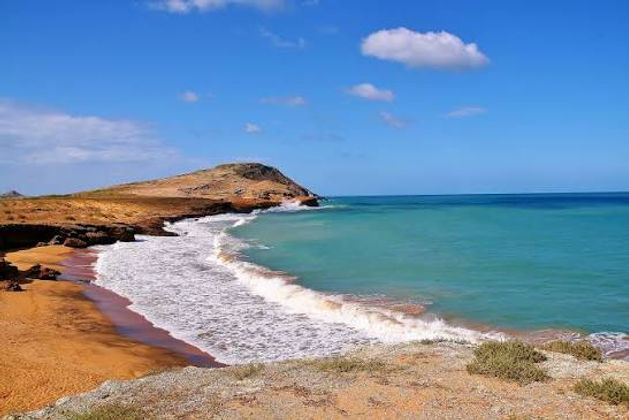
Photo By Tanenhaus https://commons.wikimedia.org/wiki/File:Cabo_de_la_Vela,_Colombia.jpg
How to get around
1. Highway 90 (Troncal del Caribe)
- The main paved highway running parallel to the Caribbean coast, linking Cartagena, Barranquilla, Santa Marta, Palomino, and Riohacha. It is generally smooth and well-traveled, though city traffic around Barranquilla can cause delays.
2. Door-to-Door Shuttles (Berlinas & Marsol)
- The best option for moving between Cartagena, Barranquilla, and Santa Marta. Companies operate comfortable, air-conditioned minivans departing every 30 to 45 minutes from small private stations rather than crowded central bus terminals.
3. Desert 4x4 Travel
- Traveling past Uribia into Upper Guajira requires a high-clearance 4WD vehicle and a local Wayuu driver. There are no paved roads, street signs, or fuel stations in the desert; tracks cross sand washes and clay pans that become impossible to navigate without local experience.
4. Island Speedboats
- Access to the Rosario Islands and San Bernardo leaves from the docks in Cartagena, Tolú, or the small fishing village of Barú. Crossings take 45 to 90 minutes. Afternoon return trips often face choppy waters and head-on waves; waterproof bags for luggage are essential.
5. Domestic Flights
- Major domestic airlines (Avianca, LATAM, Wingo) run frequent flights between Bogotá/Medellín and coastal airports: Cartagena (CTG), Santa Marta (SMR), Barranquilla (BAQ), and Riohacha (RCH).
-
You can find great car rental deals for your vacation on Expedia *
Did you know?
Pink Sea – Galerazamba features a coastal salt lake that turns a bright bubblegum pink color during harvest season due to high mineral and algae levels.
What to eat
1. Pescado Frito con Arroz de Coco
- The standard Caribbean coastal lunch. A whole fresh fish (usually red snapper or mojarra) is seasoned with salt, garlic, and lime, then deep-fried until the skin is crispy. It is served with sweet coconut rice cooked with raisins and caramelized coconut milk (titoté), twice-fried green plantains (patacones), and a simple cabbage salad.
2. Arepa de Huevo
- A famous coastal street snack originating from the town of Luruaco. Yellow corn dough is formed into a disc and deep-fried until it puffs up. A small slit is cut into the side, a raw whole egg is poured inside, sealed, and dropped back into hot oil until the egg is cooked and the outside is crunchy.
3. Cazuela de Mariscos
- A rich seafood stew cooked in a broth of fresh coconut milk, white wine, garlic, and sweet peppers. It is packed with a mix of shrimp, calamari, clams, and white fish chunks, served boiling hot in a heavy black clay bowl alongside coconut rice.
4. Chivo Guisado (La Guajira)
- The traditional meat dish of the desert region. Fresh goat meat is slow-simmered in a pot with onions, garlic, tomatoes, bell peppers, and local spices until tender, served with white rice and fried plantains.

Flights
Flight prices are approximate and vary by departure city, airline, and booking time. Check airlines or travel platforms for the latest details.
* Please note: All prices are rough estimates for orientation purposes only and may vary by region.
Main Airport: Rafael Núñez International Airport (CTG) in Cartagena
Flight Prices and Seasons
From North America:
- Average Round-Trip Cost: $280 to $650 (Direct flights to Cartagena from Miami, Fort Lauderdale, Orlando, Atlanta, New York-JFK, and Charlotte via American, Delta, JetBlue, Spirit, and Avianca).
- Cheapest Months: September, October, and February.
- Peak Prices: Late December, January, and Easter week.
From Europe:
- Average Round-Trip Cost: $700 to $1,250 (Direct seasonal service from Amsterdam via KLM, or one-stop connections through Madrid or Bogotá via Iberia and Avianca).
- Cheapest Months: November, February, and March.
- Peak Prices: July, August, and Christmas.
From Asia:
- Average Round-Trip Cost: $1,200 to $2,100 (Requires connecting flights through US hubs like Los Angeles, Houston, or Miami).
- Cheapest Months: October and November.
- Peak Prices: December, January, and July.
From Australia (Domestic/Oceania):
- Average Round-Trip Cost: $1,400 to $2,300 (Connecting through Santiago de Chile via LATAM, or via US west-coast gateways).
- Cheapest Months: May and November.
- Peak Prices: December and January.
From Africa:
- Average Round-Trip Cost: $1,100 to $1,800 (Connecting through European transit hubs like Madrid, Paris, or Amsterdam).
- Cheapest Months: March, April, and November.
- Peak Prices: July, August, and December.
-
You can find the best flight deals with Skyscanner or plan the whole vacation, including flights, transportation, hotels and tours with Expedia *
Airport Location
Visa
1. Visa Requirement
- Most travelers do not need a visa to enter Colombia for short stays, including citizens of the U.S., Canada, the U.K., Australia, and many EU countries.
2. Visa-Free Entry
- Citizens of several countries can stay without a visa for up to 90 days, with the possibility of a 90-day extension.
3. Visa Application
- Travelers from countries that require a visa must apply at a Colombian embassy or consulate before traveling.
4. Types of Visa
- Commonly issued as tourist visas or business visas, with varying durations based on purpose.
5. Processing Time
- Visa processing can take from a few days to a few weeks, so it’s advisable to apply well in advance.
6. Duration of Stay
- Tourist visas typically allow stays of up to 90 days, with the option to extend.
7. Health Requirements
- No specific vaccinations are required for entry, but travel insurance is recommended.
Important things to know
1. Payments
- The local currency is the Colombian Peso (COP). Credit cards are widely accepted in urban areas, but cash is useful in smaller towns.
2. Tap Water
- Tap water is generally safe to drink in major cities, but bottled water is often preferred.
3. Electricity
- The voltage is 110V, and plug types A and B (two flat pins) are used. No adapter is needed for devices from North America.
4. Tipping in Restaurants
- Tipping is customary, with 10-15% being standard for good service in restaurants.
5. SIM Cards
- Local SIM cards are available from providers like Claro, Movistar, and Tigo. They can be purchased at stores, offering various prepaid data plans.
6. Driving Side
- In Colombia, people drive on the right side of the road.
Souveniers
1. Wayuu Mochila Bags
- Round, sturdy shoulder bags crocheted by hand by indigenous Wayuu women in La Guajira, using complex geometric patterns (kaanas) that represent natural elements and family clans.
2. Sombrero Vueltiao
- The national symbol of Colombia, originating from the Zenú indigenous people of the coastal plains of Córdoba and Sucre. It is woven from dried strips of the caña flecha palm, using natural and mud-dyed black fibers to form geometric patterns.
3. Mompox Silver Filigree
- Delicate jewelry made by master metalsmiths in Santa Cruz de Mompox along the Magdalena River, who twist and solder paper-thin silver wires into intricate flower and lace designs.
Wayuu Mochila Bags

*AI-generated illustration
Location
Reviews
You already visited this country? Share your experiences with others! Tell us what’s worth seeing, what to skip, the things you wish you knew before your trip, what surprised you, what do you wish you knew earlier? Leave a review and help others plan smarter. Thanks in advance! :))