


Country Info | Read more

Flags are sourced from free platforms like flagpedia.net
China (Tibet)
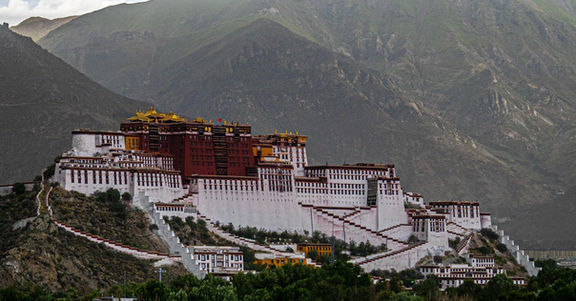
Tibet sits very high up in the Himalayas and offers views you will never forget. You can visit peaceful Buddhist temples and stand before the massive Potala Palace. The mountain air and deep spiritual culture make it a truly unique journey.
* Affiliate links are marked with an asterisk (*). We may earn a commission at no extra cost to you.
Photos without credits are sourced from free platforms like Unsplash and Pexels



Did you know?
Sky Burials – Traditional Tibetan funerals involve leaving a body on a high mountain rocky platform so vultures can consume it, returning the soul to nature.
Overview
Months
June, July, August, September
Vacation type
Couple, Family, Mountains, Skiing
Expenses
<150€, <200€, Over 200€
Temperature
0-10°C
Rainfall
0-50mm
Safety
Safe
Continent
Asia
Currency
Yuan
Languages
Mandarin
Currency Converter
When to visit
The best time to visit Tibet is during the spring (April to early June) and autumn (September to October). During these transitional months, the skies are generally clear, offering the most reliable and unobstructed views of Mount Everest and the high Himalayan peaks. Daytime temperatures are cool but comfortable (10°C to 18°C / 50°F to 64°F in Lhasa), though nights drop close to freezing.
Autumn is particularly beautiful as the weather is stable and the harsh winter cold has not yet set in.
Summer (July to August) is the monsoon season. While Tibet receives far less rain than the southern side of the Himalayas, these months bring frequent cloud cover and rain showers, which can block mountain views and cause landslides on rural mountain roads. However, summer is also the warmest time of year and the air has the highest oxygen concentration, making it peak season for domestic Chinese tourists.
Winter (November to March) is bitterly cold, with temperatures in higher areas like Everest Base Camp plummeting well below -20°C (-4°F). While Lhasa remains sunny and relatively dry in winter, the extreme cold makes travel difficult. More importantly, the Chinese government typically closes the entire Tibet Autonomous Region to foreign travelers for about five to six weeks every year from late February through March.
-
Plan the whole vacation, including flights, transportation, hotels and tours with Expedia *

Climate Data
Peak Season: April to June & September to October (Clear Skies) / July to August (Domestic Peak)
Average Sunny Hours per Day: 7 to 9 hours (spring/autumn); 5 to 6 hours (summer).
Rain Frequency: 2 to 5 days per month (spring/autumn); 12 to 18 days per month (summer).
Rainy Hours per Day: 1 to 3 hours (mostly during summer nights or late afternoons).
Intensity: Light to moderate rain in summer; occasional hail at high altitudes.
Duration: Summer clouds can linger for days, obscuring mountain peaks. Spring and autumn offer long stretches of unbroken, intense blue skies.
Off-Peak Season: November to March (Deep Winter)
Average Sunny Hours per Day: 6 to 8 hours (winter is very sunny but freezing).
Rain Frequency: 1 to 3 days per month (falling strictly as snow).
Rainy Hours per Day: 1 to 2 hours of snowfall.
Intensity: High-altitude, biting winds and deep freezing temperatures.
Duration: Winter cold is relentless. Snow blocks high mountain passes (like those leading to Mount Kailash or Namtso Lake), rendering them inaccessible.
Climate Chart

Data Source: CRU Time Series v4.07https://catalogue.ceda.ac.uk/uuid/5fda109ab71947b6b7724077bf7eb753
ClimateCharts.net
Weather, Crowds and Costs
Per one person
Tourist Season: April-October
(Note: Independent travel is strictly illegal for foreigners in Tibet. You must book a pre-arranged tour that includes a private vehicle, driver, and licensed guide. Therefore, daily costs are significantly higher here than in the rest of China, as they must cover these mandatory services).
Budget Vacation ($100-150/day)
Accommodation: $25-40/night (basic 2- or 3-star Tibetan-run hotels, shared dormitory tents at Everest Base Camp).
Food: $10-20/day (local Tibetan noodle shops, yak meat momos, simple Chinese stir-fries).
Activities: Included in mandatory tour package (monastery entry fees, basic permits).
Transportation: Included in mandatory tour package (traveling in a shared minibus with a larger group of 10-12 foreigners to split the cost of the guide and driver).
Other Costs: $5/day (bottled water, thermos of yak butter tea, public toilets).
Mid-Range Vacation ($200-350/day)
Accommodation: $60-120/night (comfortable 4-star hotels in Lhasa and Shigatse with oxygen machines and reliable heating).
Food: $30-50/day (tourist-class restaurants serving traditional Tibetan and Sichuan cuisine, clean cafes).
Activities: Included in tour package (guided tours of the Potala Palace, Yamdrok Lake viewpoints).
Transportation: Included in tour package (booking a private tour for just 2 to 4 people using a dedicated 4WD SUV like a Toyota Land Cruiser).
Other Costs: $10/day (tips for the guide and driver, yak photography fees at lakes).
Luxury Vacation ($500-1,000+/day)
Accommodation: $250-600+/night (international 5-star properties in Lhasa like the St. Regis or Shangri-La, which feature on-demand oxygen systems and luxury spas).
Food: $60-120/day (fine dining, imported wines, high-end hotel buffets).
Activities: Included in tour package (VIP access to cultural sites, premium English-speaking guides, private audience with senior monks if arranged).
Transportation: Included in tour package (premium imported 4WD vehicles with luxury interiors).
Other Costs: $30+/day (high-end Thangka paintings, premium Tibetan incense).
Off-Peak Season: November-March
(Note: Foreign tourists are usually banned entirely from mid-February through March. If traveling in Nov-Jan, expect heavy discounts on hotels and tours, but severe cold).
Budget Vacation ($80-120/day)
Accommodation: $20-30/night (discounted standard hotels; ensure they have functioning heating).
Food: $10-15/day (hot soups, local teahouses).
Activities: Included in tour (discounted winter entry fees to Potala Palace).
Transportation: Included in shared winter group tour.
Other Costs: $5/day (extra hot tea, thermal gear).
Mid-Range Vacation ($150-250/day)
Accommodation: $50-90/night (winter discounts on well-heated 4-star hotels).
Food: $20-40/day (indoor dining, hot pot).
Activities: Included in tour (monasteries are less crowded and filled with local pilgrims).
Transportation: Included in private winter tour package.
Other Costs: $10/day (warm cafe stops).
Luxury Vacation ($350-600+/day)
Accommodation: $150-350+/night (5-star hotels offering massive low-season discounts).
Food: $50-100/day (upscale hotel dining).
Activities: Included in private tour package.
Transportation: Included in private tour.
Other Costs: $20/day (artisan shopping, high-end local crafts).
-
You can find accomendations that fit your trip and budget on Booking.com, Vrbo and Hotels.com


Best Regions to visit
Cities
1. Lhasa
- The spiritual and political capital of Tibet, situated at 3,650 meters (11,975 feet). It is home to the iconic Potala Palace, the sacred Jokhang Temple, and the bustling Barkhor Street.
2. Shigatse
- The second-largest city in Tibet and the traditional seat of the Panchen Lama. It houses the massive Tashilhunpo Monastery and serves as a major overnight stop on the way to Everest.
3. Gyantse
- A smaller, historically significant town known for the Pelkor Chode Monastery and its massive Kumbum, a multi-tiered stupa containing thousands of Buddhist murals.
4. Nyingchi
- Located in eastern Tibet, this region sits at a much lower altitude (around 3,000 meters) and is famous for its lush forests, deep river gorges, and massive peach blossom blooms in spring.
5. Tsedang
- Situated in the Yarlung Valley, widely considered the cradle of Tibetan civilization, acting as the gateway to the first palace (Yumbulagang) and first monastery (Samye) of Tibet.
6. Ali (Gar)
- The remote administrative center of far-western Tibet, serving as the rugged logistical base for expeditions to Mount Kailash and the ancient Guge Kingdom.
Lhasa

Did you know?
Butter Tea – Locals drink hot black tea churned with rancid yak butter and salt to stay warm and energized in the freezing, high-altitude air.
Islands
(Note: Tibet is a high-altitude, landlocked plateau with no ocean coastline. It features several massive, sacred high-altitude lakes with small inland islands)
1. Bird Island (Lake Namtso)
- Small, rocky outcrops in the massive saltwater Lake Namtso, acting as a sanctuary for migrating birds during the summer months.
2. Riwoche Island (Yamdrok Lake)
- A small peninsula/island in the turquoise Yamdrok Lake, featuring a small, remote meditation retreat and monastery.
-
Find the perfect place to stay in any of these top cities and islands with Booking.com, Hotels.com and Vrbo – offering entire homes and apartments for a comfortable and private experience.
Lake Namtso

Things to see
Natural Attractions
1. Mount Everest (Qomolangma) North Base Camp
- Located at 5,200 meters (17,060 feet), the Chinese side of Everest offers a paved road all the way to the base camp, providing direct, unobstructed views of the mountain's towering North Face.
2. Lake Namtso
- Known as the "Heavenly Lake," it is one of the highest saltwater lakes in the world (4,718 meters), surrounded by the snow-capped Nyainqentanglha mountain range.
3. Yamdrok Lake
- A stunning, scorpion-shaped freshwater lake that shines a brilliant turquoise blue, located on the scenic drive between Lhasa and Gyantse.
4. Mount Kailash
- A striking, pyramid-shaped peak in far-western Tibet that is considered profoundly sacred in Buddhism, Hinduism, Jainism, and Bon. It has never been climbed due to its religious significance.
5. Yarlung Tsangpo Grand Canyon
- The deepest and longest canyon in the world, carved by the river that eventually becomes the Brahmaputra in India, located in the lush, lower-altitude region of Nyingchi.
Historical and Cultural Sites
1. Potala Palace (Lhasa)
- The massive, 13-story red and white fortress dominating the Lhasa skyline. It was the winter residence of the Dalai Lamas and contains thousands of rooms, chapels, and golden stupas.
2. Jokhang Temple & Barkhor Circuit (Lhasa)
- The spiritual heart of Tibet. Pilgrims from all over the plateau travel here to prostrate before the temple, walking clockwise around the surrounding Barkhor street market.
3. Sera Monastery (Lhasa)
- One of the "great three" Gelug university monasteries, globally famous for its afternoon courtyard sessions where monks engage in highly animated, physical theological debates.
4. Tashilhunpo Monastery (Shigatse)
- A massive monastic complex functioning as the traditional seat of the Panchen Lama, housing the world’s largest gilded bronze statue of the Future Buddha (Maitreya).
5. Samye Monastery
- Built in the 8th century, this is the very first Buddhist monastery constructed in Tibet, laid out in the shape of a giant mandala representing the Buddhist universe.
Unique Experiences
1. Watching the Monk Debates at Sera
- Standing in the shaded courtyard of Sera Monastery in the afternoon to watch hundreds of monks in red robes clapping loudly and shouting as they debate Buddhist philosophy.
2. Sleeping at Everest Base Camp
- Spending the night in a traditional yak-hair tent at 5,200 meters, stepping outside into freezing temperatures to see Mount Everest illuminated by millions of stars.
3. Walking the Kailash Kora
- Joining devoted Tibetan pilgrims on a gruelling 3-day, 52-kilometer high-altitude trek around the base of the sacred Mount Kailash, crossing the 5,640-meter Drolma La Pass.
4. Drinking Yak Butter Tea
- Sitting in a dark, smoky traditional Tibetan teahouse in Lhasa, drinking salty, highly caloric tea made from churned yak butter and black tea leaves.
-
The best way to explore major cities and must-see attractions is by booking guided tours.* They offer convenience, local insights, and often save time when visiting popular sights.
Mount Everest

Unique Accomondations/Foodspots
Accommodations
The St. Regis Lhasa Resort
Location: Barkhor Street area, Lhasa, Tibet, China
A breathtaking high-altitude luxury sanctuary located in the spiritual heart of Tibet, featuring opulent Tibetan-inspired decor, a stunning gold-tiled meditation pool, and sweeping views of the Potala Palace.
Restaurants / Bars
Tashiling Restaurant
Location: near Jokhang Temple, Lhasa, Tibet, China
A warm, authentic culinary destination frequented by locals and travelers alike, celebrated for serving traditional Tibetan comfort food including yak butter tea, handmade momos, and hearty barley stews.
Tours to do
1. Lhasa City Cultural Highlights (4 Days)
- The minimum required itinerary for acclimatizing and seeing the capital. This guided tour covers the must-see sites inside Lhasa. Day one involves strict rest for altitude adjustment. The following days include timed entry into the Potala Palace, walking the Barkhor circuit with pilgrims at the Jokhang Temple, and watching the afternoon monk debates at Sera Monastery.
Duration: 4 Days / 3 Nights.
Best Time: April to October.
Average Cost: $400 – $600 per person (includes Tibet Travel Permit processing, hotel, daily guided tours, and transport).
2. Lhasa to Everest Base Camp Overland Tour (8 Days)
- The most popular tourist route in Tibet. Travelers depart Lhasa in a 4WD or minibus, crossing the high-altitude Kamba La pass to see Yamdrok Lake. The route passes the Karola Glacier, stops in Gyantse and Shigatse to tour the Tashilhunpo Monastery, and finally crosses the 5,000-meter Pang La pass to reach Everest Base Camp for an overnight stay in a tent or the nearby Rongbuk Monastery guesthouse.
Duration: 8 Days / 7 Nights.
Best Time: April to May and September to October (for clear Everest views).
Average Cost: $800 – $1,200 per person (based on shared group tour; covers all permits, guide, transport, and basic accommodation).
3. Mount Kailash Pilgrimage Kora (15 Days)
- An extreme, high-altitude overland expedition to remote western Tibet. The journey follows the southern route from Lhasa past Everest, driving for days through the stark Tibetan plateau to reach the town of Darchen. Travelers then undertake the 3-day, 52-kilometer trek (Kora) around the base of Mount Kailash, reaching altitudes of 5,640 meters, before driving back to Lhasa.
Duration: 15 Days.
Best Time: May, June, September, and October.
Average Cost: $1,800 – $2,500+ per person (includes all permits, long-distance transport, guide, and basic guesthouses).
Mount Kailash

How to get around
1. The Qinghai-Tibet Railway
- The highest railway in the world, connecting mainland China (from cities like Xining, Chengdu, or Beijing) directly to Lhasa. The train cars are specially sealed and pump oxygen into the cabins as the train crosses passes over 5,000 meters. The journey from Xining to Lhasa takes about 22 hours and provides spectacular views of the plateau.
2. Tour Vehicles
- Because independent travel is forbidden, all transport outside of Lhasa is conducted in pre-booked tourist vehicles. These range from 7-seat minivans for budget group tours to Toyota Land Cruisers for premium private tours. Roads between Lhasa, Shigatse, and Everest are now heavily paved and well-maintained.
3. Domestic Flights
- Lhasa Gonggar Airport (LXA) connects Tibet to major Chinese hubs like Chengdu, Chongqing, Xi'an, and Beijing. Flying directly into Lhasa (3,650m) increases the risk of severe altitude sickness compared to taking the train up slowly.
-
You can find great car rental deals for your vacation on Expedia *
Did you know?
Palace Without Nails – The massive Potala Palace in Lhasa was built high on a hill using stone, earth, and wood, with very few metal nails holding the ancient structure together.
What to eat
1. Tsampa
- The ultimate Tibetan dietary staple. It is a coarse, roasted barley flour. Locals eat it by placing a handful in a bowl, pouring in a little hot yak butter tea, and kneading it with their fingers into a thick dough ball before eating it.
2. Yak Meat (Momos and Stews)
- Yak is the primary source of protein on the plateau. The meat is lean and slightly sweet. It is most commonly ground and stuffed into steamed or pan-fried dumplings called Momos, or slow-cooked with radishes and potatoes in hearty winter stews.
3. Yak Butter Tea (Po Cha)
- The ubiquitous drink of the Himalayas. It is made by churning strong black tea with raw yak butter and salt. It tastes more like a rich, savory broth or soup than a traditional cup of tea, providing essential calories and warmth for the high altitude.
4. Thukpa
- A comforting, steaming bowl of Tibetan noodle soup. It features thick, hand-pulled wheat noodles submerged in a light yak or vegetable broth, topped with strips of meat, spinach, and a side of spicy chili paste.

Flights
Flight prices are approximate and vary by departure city, airline, and booking time. Check airlines or travel platforms for the latest details.
* Please note: All prices are rough estimates for orientation purposes only and may vary by region.
Main Airport: Lhasa Gonggar Airport (LXA)
(Note: There are no direct international flights to Tibet from the West. All travelers must fly into a mainland Chinese city—such as Chengdu, Beijing, or Xi'an—or Kathmandu, Nepal, before connecting to Lhasa. Chengdu [TFU/CTU] is the primary gateway for flights into Tibet).
Flight Prices and Seasons
From North America:
- Average Round-Trip Cost: $1,000 to $1,800 (Connecting through Beijing, Shanghai, or Guangzhou, followed by a domestic flight to Lhasa).
- Cheapest Months: November and March (though Tibet may close in March).
- Peak Prices: July, August, and late December.
From Europe:
- Average Round-Trip Cost: $800 to $1,400 (Connecting through Frankfurt, London, or Paris to Chengdu or Beijing, then flying to Lhasa).
- Cheapest Months: November and February.
- Peak Prices: July, August, and Christmas.
From Asia:
- Average Round-Trip Cost: $400 to $800 (Flying into Chengdu from Tokyo, Seoul, or Singapore, followed by the 2-hour flight to Lhasa. Direct flights also operate from Kathmandu to Lhasa).
- Cheapest Months: October and November.
- Peak Prices: Lunar New Year, July, and August.
From Australia (Domestic/Oceania):
- Average Round-Trip Cost: $900 to $1,500 (Connecting through Guangzhou or Chengdu).
- Cheapest Months: May and November.
- Peak Prices: December and January.
From Africa:
- Average Round-Trip Cost: $1,000 to $1,700 (Connecting through Middle Eastern transit hubs or Addis Ababa into mainland China).
- Cheapest Months: November.
- Peak Prices: July, August, and December.
-
You can find the best flight deals with Skyscanner or plan the whole vacation, including flights, transportation, hotels and tours with Expedia *
Airport Location
Visa
1. Visa Requirement
- You must obtain a valid Chinese visa (such as an L tourist visa) before applying to enter Tibet. When applying for your Chinese visa, it is highly recommended not to list Tibet on your itinerary, as this frequently causes delays or rejections without official pre-arranged tour paperwork; list standard cities like Beijing or Chengdu instead. However, if you are entering Tibet directly from Nepal, you cannot use a standard Chinese visa; you must apply for a specific China Group Visa through the Chinese Embassy in Kathmandu with the help of your tour agency. Citizens of countries with unilateral visa-free entry to China still need the Tibet permits.
2. Tibet Travel Permit (CRITICAL)
- Foreign passport holders cannot board a train or flight to Lhasa without a physical Tibet Travel Permit (TTP). You cannot apply for this independently; it must be processed by a licensed Chinese travel agency after you book a guided tour. Your agency will mail the original permit to your hotel in mainland China before your flight to Lhasa.
3. Additional Permits
- The TTP only gets you into Lhasa. Traveling outside the capital requires an Alien's Travel Permit (for areas like Shigatse and Everest Base Camp) and a Military Permit (for sensitive border zones like Mount Kailash). Your tour guide will arrange these for you locally as you travel.
4. Altitude Sickness (AMS - CRITICAL)
- Altitude sickness is a severe risk. Lhasa sits at 3,650 meters, and Everest Base Camp is at 5,200 meters. You must rest entirely on your first day upon arrival. Drink massive amounts of water, avoid alcohol, and consult a doctor about bringing Diamox (Acetazolamide) before your trip. Oxygen canisters are available in local pharmacies and provided in tour vehicles.
5. Photography Rules
- Do not take photos of military installations, border checkpoints, or police personnel under any circumstances. Inside monasteries, photography is strictly forbidden unless you pay a specific camera fee to the monks. Always ask permission before photographing local Tibetans or pilgrims.
Important things to know
1. Payments
- Chinese Yuan (RMB). While mobile payments like Alipay and WeChat Pay are standard across mainland China and work in modern Lhasa, cash is absolutely essential in Tibet. You will need small cash bills for buying souvenirs from nomads, paying for public toilets on the road, and making small donation offerings in the monasteries.
2. Tap Water
- Tap water is strictly non-potable. Drink only boiled water (kettles are provided in all hotels) or sealed bottled water.
3. Electricity
- 220V, 50Hz. Outlets accept two-pin flat plugs (Type A/C) and three-pin angled grounded plugs (Type I). Power outages can occur in remote areas like Everest Base Camp.
4. Tipping
- Tipping your tour guide and driver at the end of your expedition is highly expected, as it forms a major part of their income. A standard tip is around $5 to $10 per day, per traveler, split between the guide and driver.
5. SIM Cards
- China Mobile and China Telecom offer the best coverage across the Tibetan plateau. Because the Great Firewall blocks Google, WhatsApp, and Western social media, you must install a paid VPN before arriving in China, or buy an international travel eSIM that routes data outside the firewall to stay connected.
6. Driving Side
- Right side of the road.
Souveniers
1. Thangka Paintings
- Exquisite, highly detailed Buddhist scroll paintings depicting deities or mandalas, painted with natural mineral pigments and gold dust on cotton or silk. Genuine, master-painted Thangkas can take months to complete and cost thousands of dollars.
2. Tibetan Singing Bowls
- Metal bowls made from an alloy of various metals (traditionally seven). When a wooden mallet is rubbed around the rim, they produce a deep, resonant, vibrating tone used by monks for meditation and healing.
3. Turquoise and Coral Jewelry
- Traditional Tibetan jewelry heavily features rough-cut, bright blue turquoise and red coral set in heavy silver, often shaped into large rings, amulet boxes (Ghau), and ornate necklaces.
4. Dzi Beads
- Highly prized, mysterious agate stone beads featuring naturally occurring or etched "eye" patterns. They are worn as protective amulets; genuine ancient Dzi beads are considered priceless family heirlooms.
Thangka Paintings

Location
Reviews
You already visited this country? Share your experiences with others! Tell us what’s worth seeing, what to skip, the things you wish you knew before your trip, what surprised you, what do you wish you knew earlier? Leave a review and help others plan smarter. Thanks in advance! :))