


Country Info | Read more

Flags are sourced from free platforms like flagpedia.net
China (South)
The south is famous for its warm weather, amazing food, and green landscapes. You can take a bamboo boat down a river surrounded by giant, beautifully shaped mountains. It is incredibly vibrant and home to some of the best cooking in the country.
* Affiliate links are marked with an asterisk (*). We may earn a commission at no extra cost to you.
Photos without credits are sourced from free platforms like Unsplash and Pexels



Did you know?
Stone Forest – Shilin features a giant maze of towering grey limestone rocks that look like a petrified stone jungle rising out of flat farmland.
Overview
Months
January, February, March, April, September, October, November, December, August, July, June, May
Vacation type
Beach, Couple, Family, Mountains, Party, Rainforest, Safari, Diving/Snorkeling, Surfing
Expenses
0-50€, <150€, <200€, <100€, Over 200€
Temperature
10-20°C, 20-25°C, 25-30°C, Over 30°C
Rainfall
0-50mm, 100-150mm, 150-200mm, 50-100mm, >200mm
Safety
Very safe
Continent
Asia
Currency
Yuan
Languages
Mandarin
Currency Converter
When to visit
The best time to visit South China is during the dry, mild winter and early spring from November to March. During these months, the intense, suffocating humidity of the summer drops significantly. Coastal cities and the Pearl River Delta sit at a comfortable 15°C to 22°C (59°F to 72°F), while the tropical island of Hainan and the jungles of Xishuangbanna remain warm enough for swimming and light clothing.
The off-peak rainy season runs from May to September. Because this region sits on the South China Sea, it is subjected to the East Asian monsoon and a severe typhoon season.
Summers are oppressively hot and fiercely humid, with temperatures consistently feeling above 35°C (95°F) due to 90% humidity. Typhoons regularly hit the coasts of Guangdong, Hong Kong, and Fujian between July and September, causing flight cancellations, high-speed rail suspensions, and mandatory indoor sheltering.
-
Plan the whole vacation, including flights, transportation, hotels and tours with Expedia *

Climate Data
Peak Season: November to March (Dry Winter & Early Spring)
Average Sunny Hours per Day: 6 to 8 hours.
Rain Frequency: 4 to 7 days per month.
Rainy Hours per Day: 1 to 2 hours.
Intensity: Light, passing drizzle.
Duration: Skies are generally clear, though coastal cities can experience morning sea fog. Humidity is low, making this the only comfortable time for intense urban walking or hiking the steep karst mountains of Guilin.
Off-Peak Season: May to September (Monsoon & Typhoon Season)
Average Sunny Hours per Day: 4 to 6 hours.
Rain Frequency: 15 to 20 days per month.
Rainy Hours per Day: 3 to 6 hours.
Intensity: Torrential tropical downpours, severe thunderstorms, and periodic typhoon landfalls with gale-force winds.
Duration: Rains can last for days when a typhoon moves inland. Even on non-rainy days, the air is thick, sticky, and exhausting.
Climate Chart

Data Source: Global Historical Climatology Network
ClimateCharts.net
Weather, Crowds and Costs
Per one person
Tourist Season: November-March
Budget Vacation ($45-80/day)
Accommodation: $15-25/night (clean hostel dorms in Yangshuo, Guangzhou, or Xiamen; basic guesthouses in Yunnan).
Food: $10-18/day (bowls of Guilin rice noodles, street-side roasted duck, steamed buns, local night markets).
Activities: $10-20/day (Star Ferry in Hong Kong, renting bicycles in Yangshuo, public parks).
Transportation: $5-10/day (extensive city metro systems, public buses, shared electric scooters).
Other Costs: $5/day (bottled water, milk tea, metro cards).
Mid-Range Vacation ($100-250/day)
Accommodation: $60-140/night (comfortable 3-star business hotels in Guangzhou, boutique inns in Dali or Xiamen, compact standard rooms in Hong Kong).
Food: $30-60/day (traditional sit-down dim sum brunches, Cantonese seafood restaurants, craft beer bars in Shenzhen).
Activities: $30-80/day (Li River cruise tickets, entry to the Yuanyang Rice Terraces, cable car to Victoria Peak).
Transportation: $20-50/day (second-class high-speed rail tickets between provinces, DiDi ride-hailing).
Other Costs: $10/day (tips in HK/Macau, coffee, specialty teas).
Luxury Vacation ($350-800+/day)
Accommodation: $250-600+/night (5-star international luxury hotels in Hong Kong Central, massive casino resorts in Macau, luxury beachfront resorts in Sanya).
Food: $100-200+/day (Michelin-starred Cantonese dining, high-end afternoon tea, imported wines).
Activities: $100-250+/day (private bamboo raft charters, VIP guided tours of Fujian Tulou, private helicopter transfers in Macau).
Transportation: $80-150/day (first-class bullet train seats, private chauffeured transfers across the HK-Zhuhai-Macau bridge).
Other Costs: $30+/day (premium Pu'er tea, custom tailored suits, spa access).
Off-Peak Season: May-September
Budget Vacation ($30-55/day)
Accommodation: $12-20/night (discounted hostels and budget hotels).
Food: $8-15/day (local noodle shops, indoor food courts).
Activities: $5-15/day (indoor museums, covered arcades, cheap cinema tickets to escape the heat).
Transportation: $4-8/day (air-conditioned subways, buses).
Other Costs: $3/day (umbrellas, iced drinks).
Mid-Range Vacation ($80-150/day)
Accommodation: $45-90/night (boutique and business hotels offering summer promotional rates).
Food: $25-45/day (indoor air-conditioned dining, massive shopping mall food scenes).
Activities: $20-45/day (indoor cultural shows, discounted river cruises).
Transportation: $15-30/day (high-speed rail, air-conditioned taxis).
Other Costs: $8/day (laundry, iced coffee).
Luxury Vacation ($250-500+/day)
Accommodation: $150-350+/night (premium 5-star properties offering off-season discounts outside of Hong Kong).
Food: $70-130/day (upscale hotel dining, private rooms at famous dim sum houses).
Activities: $80-150/day (private indoor cultural tours, spa and wellness days).
Transportation: $50-100/day (private air-conditioned vehicle transfers).
Other Costs: $20/day (artisan shopping, high-end tea).
-
You can find accomendations that fit your trip and budget on Booking.com, Vrbo and Hotels.com


Best Regions to visit
Cities
1. Shenzhen
- A futuristic tech metropolis that grew from a small fishing village into a city of 12 million in just 40 years, located immediately across the border from Hong Kong.
2. Hong Kong
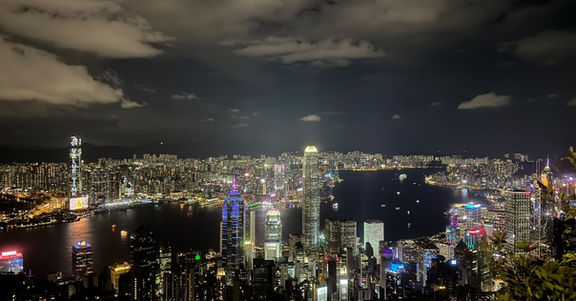
- A global financial hub known for its towering skyline, deep natural harbor, steep hills, and a unique blend of British colonial history and deep Cantonese culture.
3. Macau
- A Special Administrative Region across the Pearl River Estuary, world-famous for its massive casino industry and historic Portuguese colonial center.
4. Guangzhou (Canton)
- The massive, sprawling capital of Guangdong province, acting as the historical trading port of the Pearl River Delta and the global capital of Dim Sum.
5. Xiamen (Fujian)
- A relaxed coastal city famous for its pleasant climate, seafood, and the pedestrian-only historic island of Gulangyu.
6. Guilin & Yangshuo (Guangxi)
- Two towns situated among thousands of dramatic limestone karst peaks along the Li River, representing traditional Chinese landscape paintings brought to life.
7. Kunming (Yunnan)
- Known as the "City of Eternal Spring" for its mild year-round climate, serving as the gateway to the ethnic minority regions of southern China.
8. Jinghong / Xishuangbanna (Yunnan)
- A tropical city near the borders of Laos and Myanmar, characterized by Theravada Buddhist temples, wild elephants, and the Dai ethnic minority.
Shenzhen

Did you know?
Hanging Coffins – Ancient ethnic groups in Sichuan used to hoist heavy wooden coffins high up onto sheer cliff faces using ropes and wooden stakes.
Islands
1. Hainan Island
- Often called "China's Hawaii," this massive southern tropical island is the country's premier domestic beach destination, featuring luxury resorts and warm ocean water.
2. Gulangyu (Xiamen)
- A tiny, vehicle-free island just off the coast of Xiamen. It is a UNESCO World Heritage site known for 19th-century European colonial architecture and a deep history of classical piano music.
3. Lantau Island (Hong Kong)
- The largest of Hong Kong's islands, home to the international airport, wild roaming water buffalo, traditional stilt fishing villages (Tai O), and the massive Tian Tan Buddha.
4. Weizhou Island (Guangxi)
- China's youngest volcanic island, located in the Gulf of Tonkin, known for rugged coastlines, banana plantations, and a 19th-century French Catholic church.
-
Find the perfect place to stay in any of these top cities and islands with Booking.com, Hotels.com and Vrbo – offering entire homes and apartments for a comfortable and private experience.
Hainan (Sanya)

Things to see
Natural Attractions
1. The Li River (Guangxi)
- A winding river connecting Guilin to Yangshuo, flanked on both sides by sheer, towering limestone karst mountains rising vertically from the flat farmlands.
2. Yuanyang Hani Rice Terraces (Yunnan)
- A massive, UNESCO-listed system of agricultural terraces carved into the Ailao Mountains by the Hani people over 1,200 years, which act as giant mirrors reflecting the sky when flooded in winter.
3. Shilin Stone Forest (Yunnan)
- A striking geological park near Kunming featuring towering, sword-like limestone pillars that create a labyrinth of grey stone resembling a petrified forest.
4. Tiger Leaping Gorge (Yunnan)
- One of the deepest and most spectacular river canyons in the world, where the Jinsha River (upper Yangtze) violently forces its way between two 5,000-meter snow mountains.
Historical and Cultural Sites
1. Fujian Tulou
- Massive, circular and rectangular fortified earthen houses built by the Hakka people in the mountains of Fujian between the 12th and 20th centuries, designed to house entire clans and defend against bandits.
2. Ruins of St. Paul's (Macau)
- The dramatic, freestanding stone facade of a 17th-century Portuguese Catholic church that was destroyed by a typhoon and fire in 1835.
3. Chen Clan Ancestral Hall (Guangzhou)
- An impeccably preserved 19th-century academic temple known for its incredibly elaborate Lingnan-style wood, stone, and brick carvings.
4. Tian Tan Buddha (Hong Kong)
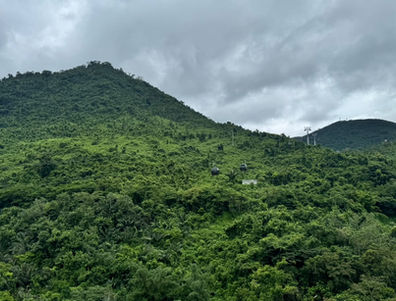
- A massive, 34-meter-tall bronze Buddha statue sitting high in the mountains of Lantau Island, accessible via the Ngong Ping 360 cable car.
Unique Experiences
1. Bamboo Rafting on the Yulong River
- Drifting quietly down a tributary of the Li River in Yangshuo on a raft made of lashed bamboo poles, poled by hand by a local boatman through the karst peaks.
2. Eating Traditional Pushcart Dim Sum
- Sitting in a crowded, noisy morning tea house (yum cha) in Guangzhou, selecting bamboo baskets of shrimp dumplings (har gow) and pork buns straight from passing metal pushcarts.
3. Riding the Star Ferry at Night
- Crossing Victoria Harbour between Kowloon and Hong Kong Island on the historic green-and-white Star Ferry to watch the Symphony of Lights illuminate the skyscrapers.
4. Walking Across the HK-Zhuhai-Macau Bridge
- Driving or taking a shuttle across the 55-kilometer bridge-tunnel system spanning the Pearl River Delta, the longest sea-crossing bridge in the world.
-
The best way to explore major cities and must-see attractions is by booking guided tours.* They offer convenience, local insights, and often save time when visiting popular sights.
The Li River

Unique Accomondations/Foodspots
Accommodations
Mandarin Oriental, Sanya
Location: Coral Bay, Sanya, Hainan, China
A lush tropical beach resort nestled within a secluded cove, featuring private pool villas surrounded by coconut palms, a tranquil spa village, and pristine beachfront access overlooking the South China Sea.
Restaurants / Bars
Fresh
Location: Mandarin Oriental, Sanya, Hainan, China
An elite open-air beachfront dining venue set directly on the sand, celebrated for its ultra-fresh catch of the day, premium grilled seafood, and romantic candlelit ambiance under the tropical stars.
Tours to do
1. Li River Cruise & Yangshuo Cycling Tour
- The definitive Guangxi experience. The day begins by boarding a multi-level riverboat in Guilin for a 4-hour scenic cruise down the Li River to Yangshuo, passing the exact landscape depicted on the 20 RMB banknote. Upon arriving in Yangshuo, travelers rent bicycles to ride through the surrounding rice paddies, quiet farming villages, and along the Yulong River.
Duration: Full day (approx. 9 to 10 hours).
Best Time: October to November and March to May.
Average Cost: $70 – $120 per person (includes 4-star cruise ticket, buffet lunch, bike rental, and return transport).
2. Fujian Hakka Tulou Day Expedition
- A cultural architecture tour departing from Xiamen. The tour drives 2.5 hours inland into the lush mountains of Fujian to visit the UNESCO-listed Tulou clusters (such as Tianluokeng or Nanjing). Visitors walk inside the massive, multi-story circular earthen walls to see how Hakka communities still live, dry tea in the courtyards, and operate communal kitchens.
Duration: Full day (approx. 9 to 10 hours).
Best Time: October to March.
Average Cost: $60 – $95 per person (includes roundtrip transport from Xiamen, entry tickets to multiple Tulou clusters, and local lunch).
3. Hong Kong Lantau Island & Tai O Heritage Tour
- A diverse day trip escaping the dense city of Hong Kong. Travelers take the glass-bottomed Ngong Ping 360 cable car up the mountains to visit the Tian Tan Buddha and Po Lin Monastery. The tour then takes a local bus down to Tai O, a traditional Tanka fishing village where houses are built on wooden stilts over the tidal flats, finishing with a small boat ride to spot pink dolphins.
Duration: Full day (approx. 7 hours).
Best Time: November to March.
Average Cost: $50 – $85 per person (includes cable car ticket, local transit, and boat ride).
4. Yuanyang Rice Terraces Photography Trek
- A multi-day trip departing from Kunming. Travelers drive south into the Ailao Mountains to reach the terraced villages. The itinerary involves waking up before dawn to photograph the sunrise reflecting off the flooded terraces at Duoyishu, hiking along the narrow mud walls dividing the paddies, and watching the sunset turn the water gold and red at the Bada viewing point.
Duration: 2 Days / 1 Night or 3 Days / 2 Nights.
Best Time: December to March (when the terraces are flooded with water and devoid of crops, creating the mirror effect).
Average Cost: $150 – $250 per person (includes private or shared transport from Kunming, park entry passes, basic guesthouse, and guide).
Hong Kong

How to get around
1. High-Speed Rail (CRH)
- The primary way to move across the south. High-speed trains travel at up to 300 km/h, linking Guangzhou to Shenzhen in 30 minutes, or Guangzhou to Guilin in just 2.5 hours. Tickets must be booked online (via Trip.com or the 12306 app) using your passport, which acts as your physical ticket at the digital gates.
2. Cross-Boundary Transit (HK/Macau to Mainland)
- Moving between Hong Kong/Macau and mainland China requires crossing a hard immigration border. You can take the high-speed train from West Kowloon Station (which features co-located mainland immigration), use the HK-Zhuhai-Macau Bridge shuttles, or take high-speed ferries across the Pearl River Delta.
3. City Subways
- Guangzhou, Shenzhen, and Hong Kong boast some of the largest, cleanest, and most efficient subway systems in the world. English signage is universal.
4. DiDi & Taxis
- In mainland China, DiDi (the equivalent of Uber) is essential and can be hailed directly through the Alipay or WeChat apps. In Hong Kong, the MTR (subway) and traditional red taxis (cash only or Octopus card) dominate.
-
You can find great car rental deals for your vacation on Expedia *
Did you know?
Rice Terraces – The Longji Rice Terraces wrap around steep mountain slopes in giant stepped layers that look like shimmering silver mirrors when flooded in spring.
What to eat
1. Dim Sum (Guangdong & Hong Kong)
- The culinary heartbeat of the Cantonese south. Served during breakfast and lunch (yum cha), it consists of dozens of small dishes steamed in bamboo baskets or fried. Classics include Har Gow (translucent shrimp dumplings), Siu Mai (pork and shrimp dumplings), and Char Siu Bao (fluffy steamed BBQ pork buns), always consumed with copious amounts of hot tea.
2. Guilin Rice Noodles (Guilin Mifen)
- The staple fast food of Guangxi. Fresh, thick, and chewy cylindrical rice noodles are served without soup, tossed in a rich, highly secret savory gravy made from pork and beef bones and spices. It is topped with slices of roasted pork, pickled long beans, peanuts, and chili, mixed together before eating.
3. Crossing the Bridge Noodles (Yunnan Guoqiao Mian)
- A famous interactive soup originating from southern Yunnan. Diners are served a massive bowl of boiling, oil-insulated chicken broth alongside dozens of small plates containing raw quail eggs, thinly sliced raw meats, vegetables, and rice noodles. You cook the ingredients yourself by dumping them directly into the boiling broth at the table.
4. Hainanese Chicken Rice (Wenchang Chicken)
- Originating from Hainan Island (where it is known as Wenchang Chicken) and carried by emigrants to Southeast Asia. A whole, free-range chicken is gently poached in sub-boiling water to keep the meat incredibly tender. The rich chicken broth and fat are then used to cook the rice, served with dipping sauces made of ginger, garlic, and chili.
Dim Sum

Flights
Flight prices are approximate and vary by departure city, airline, and booking time. Check airlines or travel platforms for the latest details.
* Please note: All prices are rough estimates for orientation purposes only and may vary by region.
Main Airport: Hong Kong International Airport (HKG)
Note: HKG is a massive global transit hub bridging the East and West. CAN and SZX handle massive volumes of both international and domestic Chinese traffic. You can take a ferry directly from HKG airport to mainland ports without passing through HK immigration.
Flight Prices and Seasons:
From Europe
- Average Round-Trip Cost: €700 to €1,200 (Excellent direct connectivity via Cathay Pacific, British Airways, Air France, and Lufthansa).
- Cheapest Months: November and March.
- Peak Prices: July, August, and December.
From North America
- Average Round-Trip Cost: $1,000 to $1,800 (Extensive direct flights from both the West Coast and East Coast via Cathay Pacific and United Airlines).
- Cheapest Months: October and February.
- Peak Prices: June, July, and late December.
From Asia
- Average Round-Trip Cost: $200 to $500 (Massive, cheap connectivity across the entire continent, served heavily by low-cost carriers like HK Express).
- Cheapest Months: May and September.
- Peak Prices: Lunar New Year (January/February) and - Golden Week.
From Australia
- Average Round-Trip Cost: $800 to $1,400 (Direct flights from Sydney, Melbourne, and Brisbane via Cathay Pacific and Qantas).
- Cheapest Months: May and November.
- Peak Prices: December and January.
From Africa
- Average Round-Trip Cost: $900 to $1,500 (Direct connectivity via Ethiopian Airlines from Addis Ababa, or routed through Middle Eastern hubs).
- Cheapest Months: March and October.
- Peak Prices: July and August.
-
You can find the best flight deals with Skyscanner or plan the whole vacation, including flights, transportation, hotels and tours with Expedia *
Airport Location
Visa
Visa & Entry Requirements (2026)
Visa-Free Entry (Up to 30 Days)
China currently has a unilateral visa-free policy in effect until December 31, 2026.
Eligible countries: Citizens of over 70 countries, including Germany, France, Italy, Spain, the UK, Canada, Australia, New Zealand, Malaysia, and Singapore.
Allowed purposes: Tourism, business meetings, visiting family or friends, and transit.
Strictly prohibited: Paid employment, long-term studies, and journalism.
Visa-Free Transit
240-Hour (10-Day) Transit: Available to citizens of 54 countries (including the USA). You must have a confirmed onward ticket to a third country and enter through specific designated ports (e.g., Beijing, Shanghai, Guangzhou).
24-Hour Transit: Applies to almost all nationalities at international airports, provided you have an onward ticket. You generally cannot leave the transit area unless granted a temporary entry permit.
Regular Visas (If the exemption doesn't apply)
Who needs it: Citizens of countries not on the visa-free list (e.g., USA, India, South Africa), or anyone planning to stay longer than 30 days.
Common types: 'L' Visa (Tourist), 'M' Visa (Business), 'Z' Visa (Work).
Process: Must be applied for in advance through a Chinese Embassy, Consulate, or official Visa Application Center.
General Rules at the Border
Your passport must be valid for at least 6 months from your date of entry.
Immigration will require proof of a confirmed return or onward flight ticket.
You should have proof of accommodation (like a hotel reservation) ready to show.
Important things to know
1. Payments
- The local currency is the Renminbi (CNY). Credit cards are accepted in major cities, but cash (especially in smaller denominations) is advisable.
2. Tap Water
- Tap water is generally not safe to drink. Bottled water is recommended.
3. Electricity
- The voltage is 220V, and plug types A, C, and I (two flat pins) are used. An adapter may be needed for devices from other regions.
4. Tipping in Restaurants
- Tipping is not customary and not expected, but rounding up the bill is appreciated in some tourist areas.
5. SIM Cards
- Local SIM cards are available from
providers like China Mobile, China Unicom, and China Telecom. They can be purchased at stores, offering various prepaid data plans.
6. Driving Side
- In China, people drive on the right side of the road.
Souveniers
1. Yunnan Pu'er Tea
- Grown in the mountains of southern Yunnan, this fermented, aged dark tea is pressed into dense, circular cakes. High-quality, aged Pu'er is highly prized by collectors and can sell for thousands of dollars per cake.
2. Fujian Oolong Tea (Tieguanyin & Da Hong Pao)
- Fujian is the birthplace of Oolong tea. Tieguanyin (Iron Goddess of Mercy) offers a floral, complex profile, while authentic Da Hong Pao from the Wuyi Mountains is one of the most expensive teas in the world.
3. Canton Enamel & Embroidery
- Traditional Guangdong handicrafts featuring extremely fine, brightly colored silk embroidery (Yue embroidery) and detailed enamelware historically exported from Guangzhou to Europe during the 18th and 19th centuries.
Canton Enamel & Embroidery

*AI-generated illustration
Location
Reviews
You already visited this country? Share your experiences with others! Tell us what’s worth seeing, what to skip, the things you wish you knew before your trip, what surprised you, what do you wish you knew earlier? Leave a review and help others plan smarter. Thanks in advance! :))