


Country Info | Read more

Flags are sourced from free platforms like flagpedia.net
Bolivia (Andes)
The Andes mountains in Bolivia are very high up and offer some of the most unique views. You can walk across the giant white salt flats or visit a deep blue lake surrounded by peaks. The air is thin, but the landscapes and local culture are unforgettable.
* Affiliate links are marked with an asterisk (*). We may earn a commission at no extra cost to you.
Photos without credits are sourced from free platforms like Unsplash and Pexels



Summary
Did you know?
Train Cemetery – Just outside Uyuni, an eerie desert graveyard is packed with dozens of massive, rusting steam trains left behind from the 1940s.
Overview
Months
February, March, April, May, June, July, August, September, October, November
Vacation type
Couple, Family, Mountains, Safari
Expenses
0-50€, <100€, <150€, <200€, Over 200€
Temperature
0-10°C
Rainfall
0-50mm, 50-100mm
Safety
Medium
Continent
South America
Currency
Boliviano
Languages
Quechua, Aymara, Spanish
Currency Converter
When to visit
The best time to visit the Andean region of Bolivia is the dry winter from May to October. This period offers clear skies, low humidity, and stable road conditions across the high Altiplano. Daytime temperatures sit around 10°C to 15°C, but you must prepare for extreme cold at night, with temperatures frequently dropping to -15°C in the southwestern deserts around Uyuni.
The off-peak wet season runs from November to April. During these months, heavy rain floods the high-altitude plains. A thin layer of water covers the Salar de Uyuni, creating a massive, famous mirror effect that photographers seek out. However, this flooding also cuts off vehicle access to the deeper Eduardo Avaroa reserve and routinely washes out mountain dirt tracks, making overland travel slow and unpredictable.
-
Plan the whole vacation, including flights, transportation, hotels and tours with Expedia *

Climate Data
Peak Season (May to October)
Average Sunny Hours per Day: 8 to 10 hours.
Rain Frequency: 1 to 3 days per month.
Rainy Hours per Day: 0 to 1 hour.
Intensity: Very rare, brief snow or hail at high altitudes.
Duration: Weeks of completely clear skies. The high altitude means UV radiation is extremely intense during the day.
Off-Peak Season (November to April)
Average Sunny Hours per Day: 5 to 7 hours.
Rain Frequency: 12 to 18 days per month.
Rainy Hours per Day: 2 to 4 hours.
Intensity: Heavy afternoon rainstorms and frequent lightning on the Altiplano.
Duration: Storms hit hard and fast in the afternoons, leaving muddy, impassable roads behind.
Climate Chart
_edited_edited_edited_e.jpg)
Data Source: Global Historical Climatology Network
ClimateCharts.net
Weather, Crowds and Costs
Per one person
Tourist Season: May-October
1. Basic / Essential Travel ($30-50/day)
Accommodation: $10-20/night (backpacker hostels in La Paz, basic unheated guesthouses in Uyuni).
Food: $10-15/day (local central markets, street stalls selling salteñas, set lunch menus).
Activities: $5-10/day (riding the public cable cars, free walking tours, local museum entry).
Transportation: $5-10/day (using local shared minivans called trufis, overnight standard buses).
Other Costs: $5/day (coca leaves for altitude sickness, bottled water).
2. Mid-Range Travel ($80-140/day)
Accommodation: $40-80/night (comfortable colonial boutique hotels in Sucre, heated rooms in La Paz).
Food: $20-40/day (sit-down tourist restaurants, quality coffee shops, traditional Andean steakhouses).
Activities: $40-60/day (standard 3-day shared 4x4 tours of the salt flats, guided trips to Tiwanaku).
Transportation: $20-40/day (cama-class sleeper buses, private taxis for short trips).
Other Costs: $10/day (laundry services, minor tipping).
3. Luxury / Premium Travel ($250 - $500+/day)
Accommodation: $150-300+/night (hotels built entirely of salt blocks on the edge of Uyuni, 5-star international hotels in La Paz offering oxygen-enriched rooms).
Food: $60-120/day (fine dining at globally ranked restaurants like Gustu, premium South American wine).
Activities: $100-200+/day (private, tailored 4x4 desert expeditions with an English-speaking guide and oxygen tanks).
Transportation: $80-150+/day (domestic flights to skip long bus rides, private chauffeured 4WD vehicles).
Other Costs: $20+/day (gratuities for private guides and drivers).
Off-Peak Season: November-April
1. Basic / Essential Travel ($25-45/day)
Accommodation: $10-15/night.
Food: $10-15/day.
Activities: $5-10/day.
Transportation: $5-10/day.
Other Costs: $5/day.
2. Mid-Range Travel ($70-120/day)
Accommodation: $30-70/night.
Food: $20-35/day.
Activities: $30-50/day (activities often shift to cities due to rain).
Transportation: $20-40/day.
Other Costs: $10/day.
3. Luxury / Premium Travel ($200 - $450+/day)
Accommodation: $120-250+/night.
Food: $50-100/day.
Activities: $80-150/day (private tours focused on the flooded salt mirror effect).
Transportation: $60-120/day (domestic flights become essential to avoid washed-out mountain roads).
Other Costs: $20/day.
-
You can find accomendations that fit your trip and budget on Booking.com, Vrbo and Hotels.com


Best Regions to visit
Cities
1. La Paz
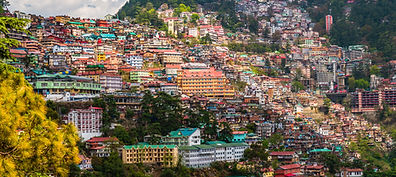
- The highest administrative capital in the world, sitting in a steep canyon at 3,600 meters. It is a chaotic, vertical city known for its witches' markets, steep narrow streets, and the massive network of public cable cars flying over the buildings.
2. Sucre
- The official constitutional capital of Bolivia. Located at a lower, warmer altitude, it features beautifully preserved white colonial architecture, quiet plazas, and a large student population.
3. Potosí
- One of the highest cities on earth at 4,090 meters. During the Spanish empire, it was a major global wealth center due to the massive Cerro Rico silver mountain, which dominates the city skyline and is still actively mined today.
4. Uyuni
- A harsh, dusty, wind-blown frontier town. It exists almost entirely as the logistical base camp for 4x4 expeditions heading out into the adjacent salt flats and southern deserts.
La Paz

Did you know?
Witches Market – In La Paz, a bustling open-air market sells dried llama fetuses and ancient herbal potions meant to bring good luck or ward off evil spirits.
Islands
Bolivia is landlocked and does not have any islands in the traditional sense.
-
Find the perfect place to stay in any of these top cities and islands with Booking.com, Hotels.com and Vrbo – offering entire homes and apartments for a comfortable and private experience.
Lake Titicaca

Things to see
Natural Attractions
1. Salar de Uyuni
- The world’s largest salt flat, covering over 10,000 square kilometers. During the dry season, it is a blinding white expanse of hexagonal salt crusts. During the wet season, a thin layer of water turns it into a perfect mirror reflecting the sky.
2. Eduardo Avaroa Andean Fauna National Reserve
- A harsh, spectacular high-altitude desert region south of Uyuni. It features steaming geysers, dormant volcanoes, and bright red and green mineral lakes filled with thousands of pink flamingos.
3. Valle de la Luna (Moon Valley)
- Located just outside La Paz. It is not an actual valley, but a maze of tall, pale clay and sandstone spires created by heavy wind and rain erosion over thousands of years.
Historical and Cultural Sites
1. Tiwanaku
- A major pre-Columbian archaeological site located a few hours from La Paz. It was the capital of a powerful empire that predated the Incas, featuring massive stone monoliths and the famous Gate of the Sun.
2. Cerro Rico Mines
- The active silver and zinc mines in Potosí. Visitors can take guided tours deep into the hot, toxic, and narrow shafts to witness the brutal manual labor conditions that have barely changed in centuries.
3. Tarabuco Market
- A traditional indigenous market held every Sunday near Sucre. Local Yampara people gather to sell high-quality, hand-woven textiles and ceramics, making it one of the most authentic cultural markets in the region.
Unique Experiences
1. Riding Mi Teleférico
- La Paz lacks a subway system; instead, it uses the largest urban cable car network in the world. Riding the different colored lines across the canyon offers cheap, silent, and incredible aerial views of the dense city.
2. Cycling the Death Road (Yungas Road)
- Starting at a high mountain pass near La Paz and biking down 3,500 meters into the humid jungle. The narrow, unpaved cliffside road is now mostly closed to vehicle traffic, making it a famous downhill mountain biking route.
3. Sleeping in a Salt Hotel
- Staying in specialized lodges on the edge of the Salar de Uyuni where the walls, beds, and dining tables are constructed entirely out of solid blocks of salt carved from the flats.
-
The best way to explore major cities and must-see attractions is by booking guided tours.* They offer convenience, local insights, and often save time when visiting popular sights.
Eduardo Avaroa

Unique Accomondations/Foodspots
Accommodations
Palacio de Sal
Location: Salar de Uyuni, Potosí, Bolivia
A remarkable, world-famous luxury hotel constructed almost entirely from salt blocks harvested directly from the surrounding salt flats, featuring unique dome architecture, salt-sculpted furniture, and sweeping views of the starry high-altitude desert.
Restaurants / Bars
Ali Pacha
Location: La Paz, Bolivia
A renowned fine-dining destination in the heart of the capital helmed by Chef Marsia Taha, celebrated for its innovative plant-based tasting menus that elevate forgotten Andean tubers, native grains, and high-altitude wild botanicals.
Tours to do
1. The Southwest Desert Circuit
- A 3-to-4 day rugged 4x4 expedition starting in Uyuni. You drive across the salt flats, sleep in basic desert shelters, view the colored lakes and flamingos, and end near the Chilean border at San Pedro de Atacama.
Best Time: May to October
Average Cost: $150 – $300 per person (for a shared vehicle)
2. The High-Altitude Cities Route
- A 7-day cultural path. Start in La Paz to acclimatize, fly or take a night bus down to Sucre to see the colonial architecture, and then take a short taxi ride up to Potosí to explore the silver mines.
Best Time: April to November
Average Cost: $400 – $700 per person
Colored lakes

How to get around
1. Domestic Aviation
- Airlines like BoA (Boliviana de Aviación) are vital for saving time. A flight from La Paz to Uyuni takes 45 minutes, compared to a cold, bumpy 10-hour overnight bus ride.
2. Long-Distance Buses (Flotas)
- The main way locals travel. The best class is cama (fully flat bed). Keep in mind that protests and road blockades are a frequent political tool in Bolivia, which can suddenly halt bus travel for days without warning.
3. 4x4 Land Cruisers
- The only way to explore the southern deserts. There are no paved roads, signs, or cell service in the Eduardo Avaroa reserve. You must hire a local driver and a rugged vehicle to survive the terrain.
-
You can find great car rental deals for your vacation on Expedia *
Did you know?
Highest Capital – La Paz sits so high in the thin air that local soccer players need oxygen tanks in the locker rooms to catch their breath.
What to eat
1. Salteñas
- The ultimate Bolivian morning snack. They are baked pastries filled with a sweet and spicy meat stew, olives, and egg. The broth is thick and juicy, meaning you must eat them carefully upright to avoid spilling.
2. Sopa de Maní
- A thick, rich, and deeply savory peanut soup. It is usually cooked with beef or chicken bone broth, potatoes, and pasta, then topped with crispy fried potato sticks.
3. Silpancho
- A massive, heavy meal native to Cochabamba but found everywhere. It consists of a large bed of rice and potatoes covered by a giant, paper-thin breaded beef cutlet, topped with a fried egg and fresh salsa.
4. Llama Meat
- Llama is a lean, high-protein meat eaten regularly in the Andes. It tastes similar to beef but is slightly sweeter. You will find it served as steaks in nice restaurants or dried as jerky (charque).
Salteñas

Flights
Flight prices are approximate and vary by departure city, airline, and booking time. Check airlines or travel platforms for the latest details.
* Please note: All prices are rough estimates for orientation purposes only and may vary by region.
Main Airports: El Alto International Airport (LPB) in La Paz, and Viru Viru International Airport (VVI) in Santa Cruz
Flight Prices and Seasons:
From Europe
- Average Round-Trip Cost: €800 to €1,400.
- Cheapest Months: March and October.
- Peak Prices: June to August and December holidays.
From North America
- Average Round-Trip Cost: $600 to $1,200.
- Cheapest Months: February and October.
- Peak Prices: Summer and December holidays.
From Asia
- Average Round-Trip Cost: $1,200 to $2,000.
- Cheapest Months: Late winter and autumn.
- Peak Prices: July to August and December.
From Australia
- Average Round-Trip Cost: $1,500 to $2,500.
- Cheapest Months: February and November.
- Peak Prices: Summer and December holidays.
From Africa
- Average Round-Trip Cost: $1,200 to $2,000.
- Cheapest Months: March and October.
- Peak Prices: July and December.
-
You can find the best flight deals with Skyscanner or plan the whole vacation, including flights, transportation, hotels and tours with Expedia *
Airport Location
Visa
1. Visa Requirement
. Most travelers need a visa to enter Bolivia, including citizens of the U.S., Canada, and Australia, while some EU countries can enter visa-free.
2. Visa-Free Countries
- Citizens of Argentina, Brazil, Chile, and several other South American countries can enter Bolivia without a visa for stays of up to 90 days.
3. Visa Application
- Travelers from countries that require a visa can apply at a Bolivian embassy or consulate or obtain a Visa on Arrival at certain points of entry.
4. Types of Visa
- Commonly issued as tourist visas (valid for up to 90 days) or business visas.
5. Processing Time
- Visa processing can take from a few days to a few weeks, so it's best to apply well in advance.
6. Duration of Stay
- Most tourist visas allow stays of up to 90 days; extensions may be available through local immigration offices.
7. Health Requirements
- Vaccination against yellow fever is required if traveling from an endemic area. Travel insurance is also recommended.
Important things to know
1. Payments
- The local currency is the Bolivian Boliviano (BOB). Credit cards are accepted in urban areas, but cash is advisable for smaller purchases.
2. Tap Water
- Tap water is generally not safe to drink. Bottled water is recommended.
3. Electricity
- The voltage is 230V, and plug types C and A (two round pins) are used. An adapter may be needed for devices from other regions.
4. Tipping in Restaurants
- Tipping is customary, with 10% being standard for good service in restaurants.
5. SIM Cards
- Local SIM cards are available from providers like Entel, Tigo, and Viva. They can be purchased at stores, offering various prepaid data plans.
6. Driving Side
- In Bolivia, people drive on the right side of the road.
Souveniers
1. Alpaca Wool Clothing
- Soft and warm scarves, ponchos, and sweaters.
2. Salar de Uyuni Salt
- Pure salt from the world’s largest salt flat.
3. Coca Tea
- A traditional herbal tea.
Alpaca Wool Clothing

Location
Reviews
You already visited this country? Share your experiences with others! Tell us what’s worth seeing, what to skip, the things you wish you knew before your trip, what surprised you, what do you wish you knew earlier? Leave a review and help others plan smarter. Thanks in advance! :))