


Country Info | Read more

Flags are sourced from free platforms like flagpedia.net
Argentina (North)
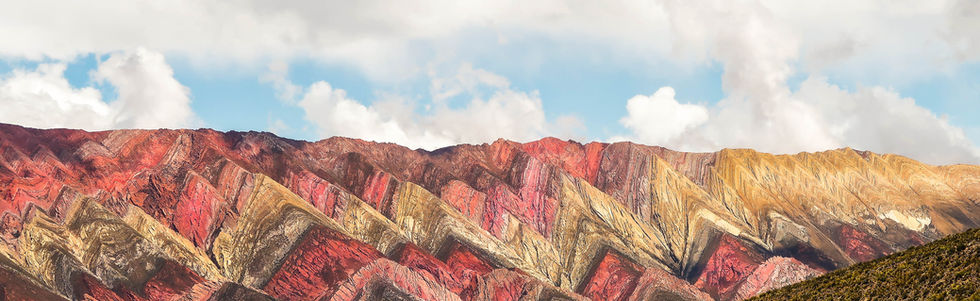
Traveling to the north feels like stepping into a different world. You can stand next to the Iguazu waterfalls in the jungle or drive through dry areas with brightly colored mountains. It is a beautiful region with warm weather and rich local traditions.
* Affiliate links are marked with an asterisk (*). We may earn a commission at no extra cost to you.
Photos without credits are sourced from free platforms like Unsplash and Pexels


Summary
Did you know?
Driveable Salt Crust – The Salinas Grandes forms a blindingly white high-altitude salt flat that is so hard and flat cars can drive right across it.
Overview
Months
January, February, March, April, September, October, November, December
Vacation type
Couple, Family, Mountains
Expenses
0-50€, <100€, <150€, <200€, Over 200€
Temperature
10-20°C, 20-25°C
Rainfall
0-50mm, 50-100mm, 100-150mm
Safety
Safe
Continent
South America
Currency
Argentine peso
Languages
Spanish
Currency Converter
When to visit
The most strategic travel window for Northern Argentina—spanning the subtropical rainforests of Iguazú, the staggering high-altitude deserts of Salta and Jujuy, and the central Sierras of Córdoba—lies between April and November. During these cooler, drier months, the oppressive, suffocating heat of the Gran Chaco subsides, and the dramatic Andean mountain passes remain safely navigable.
By contrast, the summer off-peak season (December to March) triggers the "Bolivian Winter" weather pattern in the northwest. This brings torrential, localized downpours that frequently cause catastrophic landslides, entirely washing out unpaved mountain roads and cutting off remote Quebrada villages and high-elevation salt flats. Simultaneously, summer temperatures in the lowlands and Córdoba regularly spike above 38°C, making outdoor exploration incredibly draining.
-
Plan the whole vacation, including flights, transportation, hotels and tours with Expedia *

Climate Data
Peak Season (April to November)
Average Sunny Hours per Day: 7 to 9 hours.
Rain Frequency: 2 to 5 days per month (highly variable; the northeastern jungle sees rain year-round, while the northwestern Puna is a bone-dry desert).
Rainy Hours per Day: 1 to 2 hours.
Intensity: Short, manageable passing showers.
Duration: Crisp, clear days featuring intensely blue skies at high altitudes, dropping to freezing temperatures overnight in the Andes.
Off-Peak Season (December to March)
Average Sunny Hours per Day: 5 to 7 hours.
Rain Frequency: 12 to 18 days per month.
Rainy Hours per Day: 3 to 6 hours.
Intensity: Violent summer thunderstorms, extreme humidity in the northeast, and flash flooding in the mountains.
Duration: Heavy afternoon downpours that immediately disrupt rural infrastructure and compromise unpaved driving routes.
Climate Chart
_edited_edited_edited_e.jpg)
Data Source: Global Historical Climatology Network
ClimateCharts.net
Weather, Crowds and Costs
Per one person
Tourist Season: April-November
1. Basic / Essential Travel ($30-50/day)
Accommodation: $15-25/night (backpacker hostels in Salta or Córdoba, basic guesthouses in the Quebrada).
Food: $10-15/day (local empanada stands, daily set menus, bakeries).
Activities: $5-10/day (hiking the Sierras, exploring free colonial plazas).
Transportation: $5-10/day (using the highly efficient local bus networks).
Other Costs: $5/day (bottled water, mate supplies).
2. Mid-Range Travel ($80-140/day)
Accommodation: $40-80/night (beautifully restored colonial boutique hotels in Salta or comfortable eco-lodges near Iguazú).
Food: $20-40/day (excellent traditional parrillas (steakhouses), regional wine tastings, hearty Andean stews).
Activities: $20-40/day (guided tours of the salt flats, winery visits in Cafayate).
Transportation: $20-40/day (long-distance cama sleeper buses or splitting a rental car).
Other Costs: $10/day (incidentals, museum fees).
3. Luxury / Premium Travel ($250 - $500+/day)
Accommodation: $150-300+/night (premium wine resorts in Cafayate, high-end jungle lodges in Misiones, or luxury estancias in Córdoba).
Food: $60-120/day (multi-course high-altitude wine pairing dinners, premium cuts of export-grade beef).
Activities: $80-200+/day (tickets for the Train to the Clouds, private 4x4 guided expeditions into the Puna).
Transportation: $60-100+/day (domestic flights to bypass massive driving distances, premium SUV rentals).
Other Costs: $20+/day (premium gratuities).
Off-Peak Season: December-March
1. Basic / Essential Travel ($30-50/day)
Accommodation: $15-25/night.
Food: $10-15/day.
Activities: $5-10/day.
Transportation: $5-10/day.
Other Costs: $5/day.
2. Mid-Range Travel ($80-140/day)
Accommodation: $40-80/night.
Food: $20-40/day.
Activities: $15-30/day (outdoor plans frequently altered by summer storms).
Transportation: $20-40/day (reliable 4x4 vehicles become critical in the northwest).
Other Costs: $10/day.
3. Luxury / Premium Travel ($250 - $450+/day)
Accommodation: $150-250+/night.
Food: $60-100/day.
Activities: $60-150/day.
Transportation: $60-100/day.
Other Costs: $20/day.
-
You can find accomendations that fit your trip and budget on Booking.com, Vrbo and Hotels.com


Best Regions to visit
Cities
1. Córdoba
- The nation's second-largest metropolis. It is a vibrant, youthful university city anchored by stunning 17th-century Jesuit architecture and surrounded by the rolling, river-cut valleys of the Sierras.
2. Salta
- Affectionately known as "La Linda" (The Beautiful). It possesses Argentina's most impeccably preserved Spanish colonial center and serves as the strategic base camp for all major northwestern Andean expeditions.
3. Santa Fe
- A vibrant Argentine port city on the Paraná River, known for its rich colonial history, scenic waterfront, and role as a major agricultural hub.
4. Purmamarca
- A tiny, culturally rich indigenous village in Jujuy. It sits directly at the base of the spectacular Hill of Seven Colors, surrounded by striking red rock formations and artisan markets.
5. Puerto Iguazú
- A humid, dense jungle town in the far northeast corner, bordering Brazil and Paraguay, functioning almost solely as the gateway to the colossal Iguazú Falls.
Salta

Did you know?
Rainbow Mountains – The gorge of Quebrada de Humahuaca features multi-colored mineral rock layers that look like a natural painted rainbow.
Islands
The Paraná River Wetlands
- While the northern half of Argentina is entirely landlocked and possesses no oceanic islands, the massive Paraná River basin creates the Iberá Wetlands (Esteros del Iberá) in Corrientes. This vast network of shifting river islands and marshlands is one of the greatest wildlife viewing areas in South America, packed with capybaras, caimans, and marsh deer.
-
Find the perfect place to stay in any of these top cities and islands with Booking.com, Hotels.com and Vrbo – offering entire homes and apartments for a comfortable and private experience.

Things to see
Natural Attractions
1. Iguazú Falls
- A staggeringly powerful chain of 275 distinct waterfalls crashing through the subtropical rainforest, featuring the deafening, mist-shrouded chasm known as the Devil's Throat.
2. Salinas Grandes
- A blindingly white, massive high-altitude salt flat spanning across Salta and Jujuy at over 3,400 meters above sea level, offering incredible optical illusion photography against the blue sky.
3. Quebrada de Humahuaca
- A harsh, dramatic UNESCO World Heritage desert canyon following the ancient Inca trail, renowned for its vividly stratified, multi-colored rock faces.
Historical and Cultural Sites
1. The Jesuit Block and Estancias (Córdoba)
- A meticulously preserved network of 17th-century Jesuit buildings in the city center and surrounding rural farming estates, detailing the massive historical influence of the order in the region.
2. Pucará de Tilcara
- The reconstructed stone ruins of a massive pre-Inca fortification strategically built on a hill in the Quebrada de Humahuaca, surrounded by giant cacti and offering commanding views of the valley.
3. San Ignacio Miní
- Located in Misiones, these are the deeply atmospheric, overgrown red-sandstone ruins of a 17th-century Jesuit reduction, showcasing intricate indigenous Guarani carvings blending seamlessly with European baroque design.
Unique Experiences
1. Riding the Tren a las Nubes (Train to the Clouds)
- Boarding one of the highest railway lines in the world in Salta, crossing the breathtaking La Polvorilla viaduct at a staggering 4,220 meters above sea level.
2. Tasting High-Altitude Torrontés
- Visiting the desert oasis town of Cafayate to tour the highest commercial vineyards on earth, famous for producing Torrontés, Argentina’s signature crisp, floral white wine.
3. Sharing Mate in the Sierras
- Participating in the deeply ingrained national ritual of passing around a gourd of hot, bitter yerba mate with locals along the riverbanks of the Córdoba mountains.
-
The best way to explore major cities and must-see attractions is by booking guided tours.* They offer convenience, local insights, and often save time when visiting popular sights.
Iguazú Falls

Unique Accomondations/Foodspots
Accommodations
Grace Cafayate
Location: Cafayate, Salta, North Argentina
A sophisticated luxury hotel and spa set amidst the dramatic landscapes and high-altitude vineyards of the Calchaquí Valleys, offering elegant estate rooms, private villas, and panoramic views of the Andes.
Restaurants / Bars
Bistró de las Luces
Location: Salta, North Argentina
An intimate, candlelit fine-dining institution housed in a historic colonial building, celebrated for its refined interpretations of traditional Andean cuisine, regional empanadas, and local Torrontés wines.
Tours to do
1. The Andean Northwest Loop
- A 7-to-10 day driving circuit departing from Salta. Drive through the surreal red-rock Quebrada de las Conchas to Cafayate, navigate the rugged, unpaved Route 40 up to Cachi, and finish by exploring the colorful gorges of Jujuy.
Best Time: September to November
Average Cost: $600 – $1,200 per person
2. The Northeast Jungle and Wetlands
- A 5-day nature expedition starting at the roaring Iguazú Falls, then taking an overnight bus south to the Esteros del Iberá for small-boat safaris to spot jaguars, marsh deer, and anacondas.
Best Time: May to August
Average Cost: $500 – $900 per person
Jujuy

How to get around
1. Long-Distance "Cama" Buses
- The absolute backbone of Argentine transit. These double-decker buses offer cama (fully reclining beds) or semi-cama seats, making 12-hour overnight journeys incredibly comfortable and affordable.
2. Domestic Aviation
- Aerolíneas Argentinas and low-cost carriers like Flybondi provide essential, time-saving connections between major hubs (Córdoba, Salta, Iguazú), bypassing grueling 24-hour drives.
3. Rental Cars
- The ultimate way to experience the dramatic landscapes of the northwest. However, driving the treacherous, unpaved ripio (gravel) mountain passes of Route 40 requires high-clearance vehicles and a spare tire.
-
You can find great car rental deals for your vacation on Expedia *
Did you know?
Floating Islands – Iberá Wetlands feature massive floating islands of dense vegetation and roots that drift across the shallow lagoons with the wind.
What to eat
1. Asado
- A traditional Argentine barbecue featuring various cuts of beef, pork, and sausages grilled over an open flame.
2. Empanadas
- Savory pastry filled with meats, cheese, or vegetables, often spiced with cumin and paprika.
3. Milanesa
- Breaded and fried beef or chicken cutlets, similar to schnitzel, often served with mashed potatoes or salad.
4. Chimichurri
- A tangy and herby sauce made with parsley, garlic, vinegar, and olive oil, typically served with grilled meats.
5. Dulce de Leche
- A sweet caramel-like spread made from slowly heating milk and sugar, used in desserts like alfajores or simply enjoyed on its own.
Asado

Flights
Flight prices are approximate and vary by departure city, airline, and booking time. Check airlines or travel platforms for the latest details.
* Please note: All prices are rough estimates for orientation purposes only and may vary by region.
Main Airports: Córdoba [COR], Salta [SLA], and Iguazú [IGR].
Flight Prices and Seasons:
From Europe
- Average Round-Trip Cost: €900 to €1,600 (Direct flights into Buenos Aires via Iberia, KLM, or Lufthansa, followed by a 2-hour domestic connection).
- Cheapest Months: May and November.
- Peak Prices: July, August, and late December.
From North America
- Average Round-Trip Cost: $1,000 to $1,800 (Direct routes into EZE from Miami, New York, or Houston via American Airlines, Delta, or Aerolíneas Argentinas).
- Cheapest Months: September and October.
- Peak Prices: December through February (Southern Hemisphere summer).
From Asia
- Average Round-Trip Cost: $1,500 to $2,500 (Extremely long transit times requiring layovers in the Middle East, Europe, or the US before reaching Argentina).
- Cheapest Months: April and October.
- Peak Prices: January and July.
From Australia
- Average Round-Trip Cost: $1,200 to $2,000 (Historically routed over the South Pole via Qantas or LATAM through Santiago, Chile, often connecting directly to Córdoba).
- Cheapest Months: August and November.
- Peak Prices: December and January.
From Africa
- Average Round-Trip Cost: $1,100 to $1,900 (Connecting through São Paulo, Brazil via Ethiopian Airlines or South African Airways).
- Cheapest Months: March and September.
- Peak Prices: December.
-
You can find the best flight deals with Skyscanner or plan the whole vacation, including flights, transportation, hotels and tours with Expedia *
Airport Location
Visa
1. Visa Requirement
- Most travelers can enter Argentina visa-free for short stays, including citizens of the U.S., Canada, the U.K., the EU, Australia, and New Zealand.
2. Visa-Free Countries
- Citizens of many countries, including Japan and Brazil, can enter Argentina without a visa for up to 90 days.
3. Visa Application
- Travelers from countries that require a visa must apply at an Argentinian embassy or consulate before traveling.
4. Types of Visa
- Commonly issued as tourist visas (valid for up to 90 days) or business visas.
5. Processing Time
- Visa processing can take several days to a few weeks, so apply well in advance.
6. Duration of Stay
- Most visa-free visitors can stay for up to 90 days, with possible extensions available through local immigration offices.
7. Health Requirements
- No specific vaccinations are mandatory, but travel insurance is recommended for medical emergencies.
Important things to know
1. Payments
- The local currency is the Argentine Peso (ARS). Credit cards are widely accepted, especially in urban areas, but cash is advisable for smaller purchases.
2. Tap Water
- Tap water is generally safe to drink in major cities, but bottled water is often preferred.
3. Electricity
- The voltage is 220V, and plug types C and I (two round pins) are used. An adapter may be needed for devices from other regions.
4. Tipping in Restaurants
- Tipping is customary, with 10-15% being standard for good service in restaurants.
5. SIM Cards
- Local SIM cards are available from providers like Movistar, Claro, and Personal. They can be purchased at stores, offering various prepaid data plans.
6. Driving Side
- In Argentina, people drive on the right side of the road.
Souveniers
1. Mate Set (Gourd & Bombilla)
- Traditional cup and straw for drinking yerba mate.
2. Leather Goods
- High-quality handmade belts, wallets, and bags.
3. Alfajores
- Delicious dulce de leche-filled cookies.
Mate Set

Location
Reviews
You already visited this country? Share your experiences with others! Tell us what’s worth seeing, what to skip, the things you wish you knew before your trip, what surprised you, what do you wish you knew earlier? Leave a review and help others plan smarter. Thanks in advance! :))