


Country Info | Read more

Flags are sourced from free platforms like flagpedia.net
Brazil (Central/West)
This area is famous for the Pantanal, a massive wetland area. It is one of the absolute best places to go on safari and spot wild jaguars and bright birds.
* Affiliate links are marked with an asterisk (*). We may earn a commission at no extra cost to you.
Photos without credits are sourced from free platforms like Unsplash and Pexels


Summary
Did you know?
Glowing Termites – At night, millions of termite mounds light up the grassy plains like glowing neon green dots because of hungry beetle larvae.
Overview
Months
May, June, July, August, September, October
Vacation type
Beach, Couple, Family, Mountains, Party, Rainforest, Safari
Expenses
0-50€, <100€, <150€, <200€, Over 200€
Temperature
10-20°C, 20-25°C
Rainfall
0-50mm, 50-100mm, 100-150mm
Safety
Safe
Continent
South America
Currency
Real
Languages
Portuguese
Currency Converter
When to visit
The best time to travel through the Brazilian Central West is during the dry season (May to September). This region is famous for the Pantanal wetlands and the Cerrado savanna. During these months, the rain stops, the weather is cooler, and wildlife gathers around shrinking waterholes, making it incredibly easy to spot animals like jaguars.
If you travel during the wet season (October to April), expect heavy tropical rains. The Pantanal floods completely, turning roads into rivers. While this is beautiful and great for bird watching, many lodges close down, and overland travel becomes nearly impossible without small airplanes or specialized boats.
-
Plan the whole vacation, including flights, transportation, hotels and tours with Expedia *

Climate Data
Peak Season: May to September (Dry Season)
Average Sunny Hours per Day: 7 to 9 hours.
Rain Frequency: 2 to 5 days per month.
Rainy Hours per Day: 0 to 1 hour.
Intensity: Very little rain.
Duration: Quick evening showers if it rains at all. The ground dries out fast.
Off-Peak Season: October to April (Wet Season)
Average Sunny Hours per Day: 4 to 6 hours.
Rain Frequency: 15 to 22 days per month.
Rainy Hours per Day: 3 to 5 hours.
Intensity: Heavy tropical downpours.
Duration: Rains can last for hours, flooding massive plains and washing out dirt roads.
Climate Chart
_edited_edited_edited_e.jpg)
Data Source: Global Historical Climatology Network
ClimateCharts.net
Weather, Crowds and Costs
Per one person
Tourist Season: May-September
Budget Vacation ($50-80/day)
Accommodation: $15-25/night (hostels).
Food: $10-15/day (street food, local bakeries).
Activities: $10-20/day (city parks, cheap hiking trails).
Transportation: $15-20/day (local intercity buses).
Other Costs: $5/day (bottled water).
Mid-Range Vacation ($120-200/day)
Accommodation: $60-100/night (comfortable standard hotels).
Food: $25-45/day (local barbecue restaurants).
Activities: $30-50/day (shared farm tours, guided hikes).
Transportation: $15-25/day (ride-sharing apps in cities).
Other Costs: $10/day (snacks, tips).
Luxury Vacation ($450-900+/day)
Accommodation: $250-600+/night (all-inclusive remote wildlife lodges).
Food: $80-150/day (lodge dining, premium steakhouses).
Activities: $100-250/day (private jaguar spotting boat tours).
Transportation: $100-200/day (private 4WD transfers).
Other Costs: $20/day (premium drinks).
Off-Peak Season: October-April
Budget Vacation ($40-70/day)
Accommodation: $15-20/night (off-season hostel rates).
Food: $10-15/day (supermarkets).
Activities: $5-10/day (free museums).
Transportation: $10-20/day (local buses).
Other Costs: $5/day (rain ponchos).
Mid-Range Vacation ($90-150/day)
Accommodation: $50-80/night (discounted hotels).
Food: $20-35/day (indoor diners).
Activities: $20-40/day (indoor cultural tours).
Transportation: $15-20/day (ride-sharing).
Other Costs: $10/day (wet weather gear).
Luxury Vacation ($350-700+/day)
Accommodation: $200-450+/night (eco-lodges).
Food: $70-120/day (hotel dining).
Activities: $80-200/day (scenic flights over flooded plains).
Transportation: $100-150/day (flights, private cars).
Other Costs: $15/day (souvenirs).
-
You can find accomendations that fit your trip and budget on Booking.com, Vrbo and Hotels.com


Best Regions to visit
Cities
1. Brasília
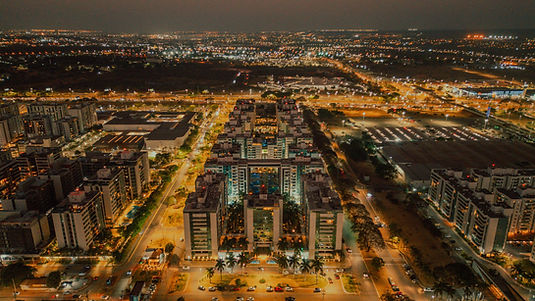
- The futuristic capital of Brazil. It was built from scratch in the 1960s and is famous for its unique modernist architecture and wide open spaces.
2. Bonito
- The ecotourism capital of Brazil. It is famous for crystal-clear rivers full of fish, massive underground caves, and strict environmental protection.
3. Cuiabá
- The gateway city to the northern Pantanal. It is incredibly hot all year but serves as the perfect starting point for wildlife expeditions.
4. Pirenópolis
- A charming historical town near Brasília. It features old Portuguese colonial streets, beautiful waterfalls, and traditional food.
Brasília

Did you know?
Giant Sinkhole – Buraco das Araras is a massive red sandstone crater filled with wild blue macaws flying in and out of the deep abyss.
Islands
There are no good islands to visit in this inland region.
-
Find the perfect place to stay in any of these top cities and islands with Booking.com, Hotels.com and Vrbo – offering entire homes and apartments for a comfortable and private experience.
Goiânia

Things to see
Natural Attractions
1. The Pantanal
- The largest tropical wetland in the world. It is the best place in the Americas to see wild jaguars, giant anteaters, and capybaras.
2. Chapada dos Guimarães
- A national park near Cuiabá with massive red rock cliffs, deep canyons, and tall waterfalls dropping into the jungle.
3. Gruta do Lago Azul
- A massive limestone cave in Bonito. At the bottom sits an underground lake that shines bright blue when the sunlight hits it.
Historical and Cultural Sites
1. Praça dos Três Poderes
- The main square in Brasília. It houses the three branches of the Brazilian government, all designed by famous architect Oscar Niemeyer.
2. Catedral Metropolitana
- A stunning modern cathedral in Brasília shaped like a crown of thorns, featuring massive stained glass windows.
3. Centro Histórico de Pirenópolis
- The old town center filled with restored 18th-century colonial houses and a famous church built from mud and wood.
Unique Experiences
1. Jaguar Spotting
- Taking small motorboats down the rivers of the northern Pantanal during the dry season to watch wild jaguars hunting caimans on the riverbanks.
2. River Snorkeling
- Floating down the incredibly clear Rio da Prata in Bonito. The water is so transparent it feels like swimming in an aquarium.
3. Pantanal Horseback Riding
- Exploring the flooded plains on trained Pantaneiro horses. They are adapted to walk through deep water and tall savanna grass.
-
The best way to explore major cities and must-see attractions is by booking guided tours.* They offer convenience, local insights, and often save time when visiting popular sights.

Unique Accomondations/Foodspots
Accommodations
Caiman Pantanal
Location: Pantanal, Mato Grosso do Sul, Brazil
A premier luxury eco-lodge situated within a vast conservation ranch in the world's largest tropical wetland, offering intimate plantation-style houses, dedicated wildlife safaris, and jaguar tracking programs.
Restaurants / Bars
Coco Bambu
Location: Brasília, Federal District, Brazil
A sprawling, elegant dining destination in the nation's capital celebrated for its vibrant atmosphere and exceptionally generous portions of fresh Brazilian seafood, coastal crustaceans, and tropical cocktails.
Tours to do
1. The Transpantaneira Highway
- A famous 147-kilometer dirt road crossing 122 wooden bridges deep into the Pantanal. It is the absolute best route for wildlife photography.
Best Time: July to September.
Average Cost: $1,000 – $1,500 per person
2. The Cerrado Loop
- A drive from Brasília to the Chapada dos Veadeiros national park, exploring alien-like savanna landscapes, quartz crystal rocks, and waterfalls.
Best Time: May to August.
Average Cost: $600 – $900 per person

How to get around
1. Domestic Aviation
- Regional flights are necessary to cover the huge distances. Airlines connect Brasília, Cuiabá, and Campo Grande easily.
2. 4WD Rentals
- Essential if you plan to drive into the Pantanal or explore dirt roads in the national parks.
3. Intercity Buses
- Comfortable and reliable for traveling between major cities like Brasília and Goiânia, but too slow for cross-region trips.
-
You can find great car rental deals for your vacation on Expedia *
Did you know?
Flooded Cowboys – In the Pantanal wetlands, local cowboys have to ride horses that swim through flooded grassy plains to herd cattle.
What to eat
1. Pequi
- A strong, yellow fruit native to the Cerrado. Locals cook it with rice and chicken. You must never bite into it, as the pit is covered in tiny, sharp spikes.
2. Piranha Soup
- A popular dish in the Pantanal region. It is a thick, rich broth made from freshly caught piranhas, often considered an aphrodisiac by locals.
3. Churrasco Pantaneiro
- Traditional Brazilian barbecue, but done in the remote ranches. Large cuts of local beef are roasted slowly over an open wood fire on the ground.
4. Sopa Paraguaya
- Despite the name, this is not a soup. It is a savory, dense cornbread baked with cheese and onions, very popular in the southern border areas near Bonito.
Pequi

Photo By Frutos Atrativos do Cerrado https://www.flickr.com/photos/frutosatrativoscerrado/9410539429
Flights
Flight prices are approximate and vary by departure city, airline, and booking time. Check airlines or travel platforms for the latest details.
* Please note: All prices are rough estimates for orientation purposes only and may vary by region.
Main Airport: Brasília International Airport (BSB)
Flight Prices and Seasons:
From Europe:
- Average Round-Trip Cost: $900 to $1,400 (Usually requires a connection in São Paulo or Lisbon).
- Cheapest Months: March and November.
- Peak Prices: July, August, and late December.
From North America:
- Average Round-Trip Cost: $800 to $1,300 (Often direct flights from Florida to Brasília, or connect via Panama).
- Cheapest Months: February and October.
- Peak Prices: December and July.
From Asia:
- Average Round-Trip Cost: $1,600 to $2,500 (Requires two connections, usually via the Middle East and São Paulo).
- Cheapest Months: May and September.
- Peak Prices: Lunar New Year and July.
From Australia (Domestic/Oceania):
- Average Round-Trip Cost: $1,400 to $2,100 (Connect via Santiago, Chile, then through São Paulo to Brasília).
- Cheapest Months: May and November.
- Peak Prices: December and January.
From Africa:
- Average Round-Trip Cost: $1,100 to $1,800 (Fly direct from Johannesburg or Luanda to São Paulo, then connect inland).
- Cheapest Months: March and October.
- Peak Prices: December.
-
You can find the best flight deals with Skyscanner or plan the whole vacation, including flights, transportation, hotels and tours with Expedia *
Airport Location
Visa
1. Visa Requirement
- Most travelers need a visa to enter Brazil, including citizens of the U.S., Canada, and Australia, while citizens of some EU countries can enter visa-free.
2. Visa-Free Countries
- Citizens of Argentina, Chile, Colombia, and several other South American countries can enter Brazil without a visa for stays of up to 90 days.
3. Visa Application
- Travelers from countries that require a visa must apply at a Brazilian embassy or consulate before traveling.
4. Types of Visa
- Commonly issued as tourist visas (valid for up to 90 days) or business visas.
5. Processing Time
- Visa processing can take from a few days to a few weeks, so it's advisable to apply well in advance.
6. Duration of Stay
- Tourist visas usually allow stays of up to 90 days, with the possibility of extensions.
7. Health Requirements
- Vaccination against yellow fever is recommended if traveling to certain regions. Travel insurance is also advisable.
Important things to know
1. Payments
- The local currency is the Brazilian Real (BRL). Credit cards are widely accepted, especially in urban areas.
2. Tap Water
- Tap water is generally not safe to drink in many areas. Bottled water is recommended.
3. Electricity
- The voltage is 127V or 220V, depending on the region. Plug types C and N (two round pins) are used. An adapter may be needed for devices from other regions.
4. Tipping in Restaurants
- Tipping is customary, with 10-15% being standard for good service in restaurants.
5. SIM Cards
- Local SIM cards are available from providers like Vivo, TIM, and Claro. They can be purchased at stores, offering various prepaid data plans.
6. Driving Side
- In Brazil, people drive on the right side of the road.
Souveniers
1. Capim Dourado (Golden Grass)
- A rare, naturally shiny golden grass found only in the Jalapão region. Locals weave it into beautiful, durable jewelry and small bags.
2. Wooden Jaguars
- Hand-carved wooden statues of jaguars and tropical birds are made by local artisans across the Pantanal region.
3. Tereré Cups
- The traditional cup and metal straw used to drink Tereré (ice-cold yerba mate tea), heavily consumed in this hot region to cool down.
4. Cachaça & Caipirinha Kit
- Cachaça is the key ingredient in Brazil’s famous caipirinha cocktail. Buy a high-quality bottle along with a wooden muddler and lime for the full experience.
Cachaça

Location
Reviews
You already visited this country? Share your experiences with others! Tell us what’s worth seeing, what to skip, the things you wish you knew before your trip, what surprised you, what do you wish you knew earlier? Leave a review and help others plan smarter. Thanks in advance! :))